
Vandaag of morgen in huis

Kwaliteit gegarandeerd

Welkomstaanbiedingen ontgrendelen: GRATIS bezorging | Tot 80% korting | Gratis 30 dagen JoyPlus-proefperiode
Download de app
The market for wireless earbuds is enormous. Everywhere you look, there are promises of an unparalleled sound experience, a battery that seems to last forever, and features designed to make your life easier. But in reality, many purchases end in disappointment. A charging case that starts acting up after a few months, earbuds that don't survive a rain shower, or a 'smart' feature that's more frustrating than functional.
As a Joybuy Product Recommendation Officer, I'm here to help you cut through the marketing jargon. We'll focus on the specifications that truly matter, so you can make an informed choice. Let's look at the three most common pitfalls.
To avoid a bad purchase, it's crucial to focus on a few core specifications. These determine how the earbuds will perform in daily use.
Always look at two numbers: the playback time on a single charge and the total playback time with the charging case. For those who are frequently on the go, a playback time of at least 6 hours per charge is a good benchmark. The case's capacity determines how many times you can recharge the earbuds before the case itself needs to be plugged in.
The IP rating indicates how well a product is protected against dust and water. The second digit is the most important one here.
A stable connection is essential. Opt for models with Bluetooth 5.2 or higher. This ensures faster pairing, a greater range, and lower latency, which is especially important for a gaming headset. For those who make a lot of calls, a wireless headset for calls with multiple microphones and noise-cancellation technology is a must. This filters out ambient noise, ensuring your voice comes through clearly. True Wireless Stereo (TWS earbuds) ensures that both earbuds can work independently for greater flexibility.
Based on these objective criteria, we have selected a few models that suit specific needs.
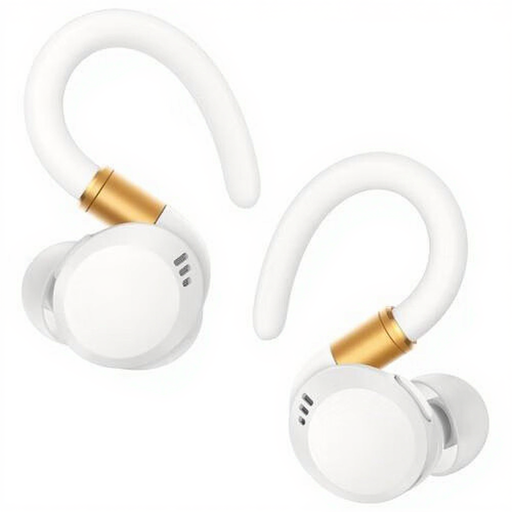
Why This Fits Their Persona: Specially designed for movement. The ear hooks ensure the earbuds stay securely in place during a run or an intense workout, while the high waterproof rating protects them from sweat and rain.
This model bypasses the 'waterproof' myth with an IP68 rating. This means it's not only sweat and rain-resistant but also completely dust-proof and resistant to submersion.
The combination of a secure fit and a high IP rating makes this a durable choice for athletes. The battery life of 12 hours on a single charge is more than enough for the longest training sessions.
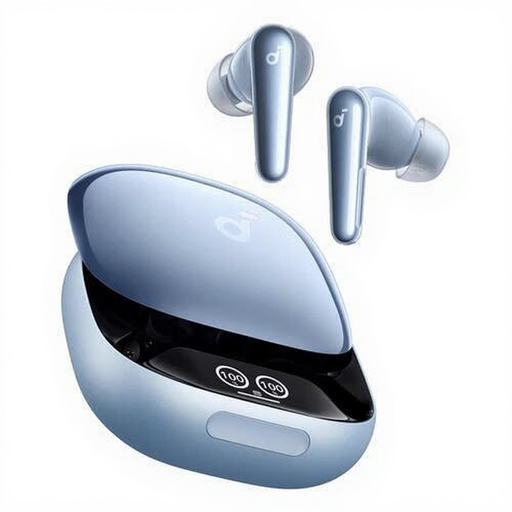
Why This Fits Their Persona: For those who make frequent calls in varying environments, like on the train or in a busy office. The focus is on reliable performance for both music and business calls.
This model tackles the pitfall of poor call quality with six built-in microphones and noise cancellation. This ensures clear conversations, even with background noise. The 10-hour playback time per charge is practical for a full workday.
The combination of long battery life per charge and superior microphone performance makes this a reliable workhorse. The IPX5 rating also provides sufficient protection for daily use.
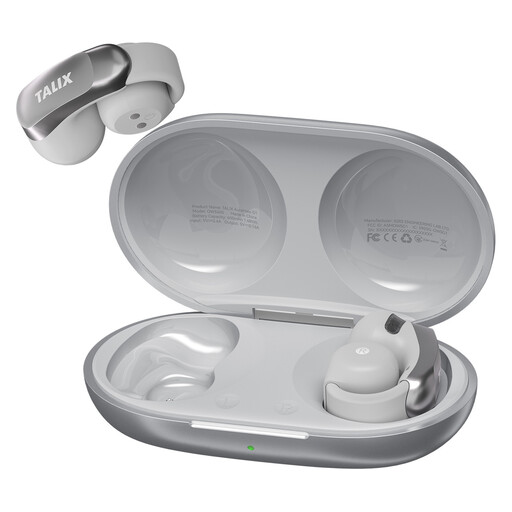
Why This Fits Their Persona: Ideal for those seeking a functional and affordable pair of earbuds without paying for extras. The clip-on design is comfortable and stays in place during daily activities like cycling or walking.
This model avoids the trap of superfluous features. It focuses on the essentials: a stable Bluetooth 5.3 connection, 4 microphones for clear calls, and a respectable 7-hour battery life per charge (28 hours total).
Offers solid core functionality at an accessible price. The IPX4 rating is sufficient for daily use, and the fast-charging feature (10 minutes of charging for 2 hours of listening) is a practical bonus.
We have compiled a complete, up-to-date list of products that fully meet these strict selection criteria and local safety regulations.
The lifespan of wireless earbuds depends heavily on usage and quality. The built-in batteries have a limited number of charge cycles. With daily use, you can expect battery performance to noticeably decrease after 2 to 3 years. Higher-quality models often use more durable components, which can extend their lifespan.
Passive noise cancellation is the physical blocking of sound due to the fit of the in-ear headphones. Well-fitting earbuds seal your ear canal and thus dampen ambient sound. Active noise cancellation (ANC) uses microphones to pick up ambient sound and creates an anti-noise signal to neutralize it. This is more effective for dampening constant, low-frequency sounds like the rumble of a train or an airplane engine.
Yes, most modern TWS earbuds support mono mode. This means you can use one earbud (left or right) while the other is in the charging case. This is useful for extending battery life or for staying aware of your surroundings, for example, in traffic. Check the product specifications to ensure the model you are considering supports this feature.
