
Vandaag of morgen in huis

Kwaliteit gegarandeerd

Welkomstaanbiedingen ontgrendelen: GRATIS bezorging | Tot 80% korting | Gratis 30 dagen JoyPlus-proefperiode
Download de app
Buying wine and spirits online may seem simple: choose a bottle, check the price and place your order. However, product pages do not always clearly state the alcohol content, bottle size, flavour profile, allergens and storage advice. As a result, a bottle may turn out differently in practice from what you expected.
Pay particular attention to these three common pitfalls:
Do not start with the brand; start with the occasion. Are you looking for a red wine for a hearty meal, a white wine with fish or salad, or a rosé wine for drinks with friends? For festive occasions, champagne or another sparkling wine may be a good choice.
There are clear differences between sweeter options:
The product description provides an initial indication, but taste is personal. Treat terms such as “fruity” or “spicy” as a guide to how the drink may be enjoyed, rather than a guarantee.
Always check the alcohol content. The products in this range vary from 8% for advocaat to around 19% for various ports. A 750 ml bottle with a higher alcohol content therefore contains a different amount of alcohol from a lighter wine in the same volume.
Also pay attention to the volume:
If you are aged 18 or over, also check the age requirements when ordering. Alcohol is intended for adults only. Drink responsibly and take the warnings on the label seriously.
Wine and port regularly contain sulphites or sulphur dioxide. In cream liqueurs, milk may be the relevant allergen, while advocaat contains egg. Online product information may be limited or differ between packaging versions. Always check the label on the bottle before consuming the product.
Alcoholic drinks should generally be stored:
For De Kuyper Sex On The Beach, for example, the product information states that the opened bottle should be refrigerated and used within seven days. This is a specific difference compared with an unopened bottle of wine or port.
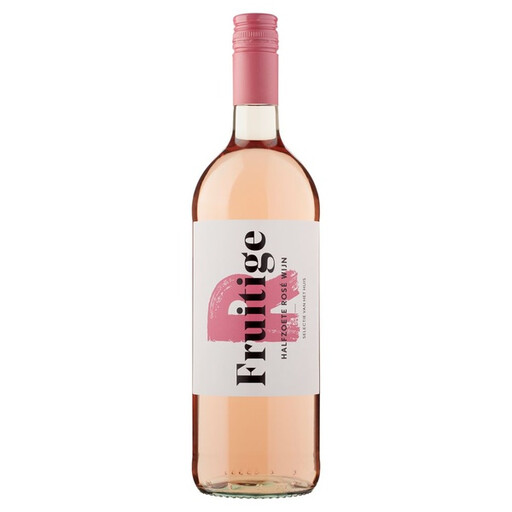
Why it suits this profile: The 1-litre bottle is practical for informal gatherings, drinks with friends, picnics or everyday use. The semi-sweet style suits drinkers looking for a softer rosé.
The volume and alcohol content of 10,11% are stated, allowing you to compare the bottle size with 750 ml wines.
1 litre; semi-sweet profile; suitable with light meals, salads and snacks.
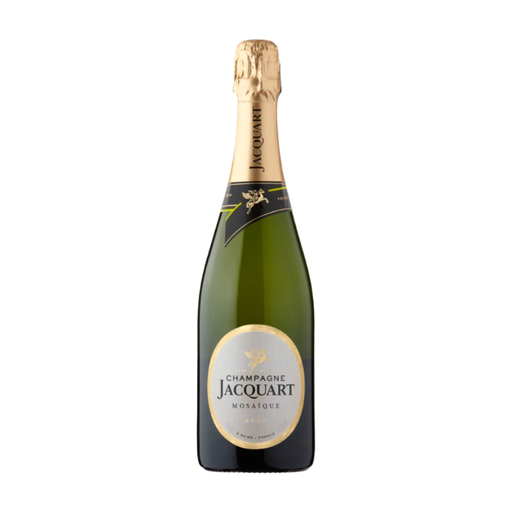
Why it suits this profile: A brut champagne in a 750 ml bottle is ideal for dinners, receptions and other celebrations. The product information describes notes of green apple, citrus, white flowers and toasted brioche.
The type, volume, alcohol content and presence of sulphites are clearly stated.
Brut style; 750 ml; blend of Chardonnay, Pinot Noir and Pinot Meunier; best served chilled.
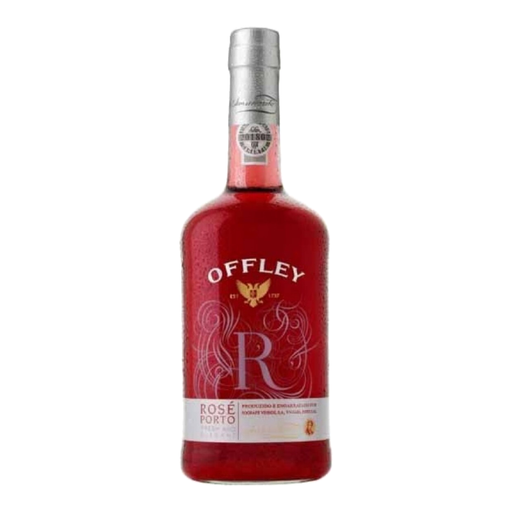
Why it suits this profile: This rosé port contains 19,5% alcohol and, according to the product information, can be enjoyed neat, over ice or with light desserts and fruit.
The higher alcohol content and port style are clearly stated. However, always check the sulphite information on the label.
750 ml; 19,5% alcohol; rosé colour; pairs well with light desserts and fruit.
We have put together a complete, up-to-date list of products that fully meet these strict selection criteria and the applicable European safety regulations.
No. Alcoholic drinks are intended for consumers aged 18 and over. Age checks may apply to online purchases and deliveries. Check the seller’s terms and conditions before placing your order.
Keep an opened bottle tightly sealed in a cool, dark place. White wine and rosé are generally served chilled. Always follow the instructions on the label. Ready-to-serve cocktails may have specific requirements; for example, De Kuyper Sex On The Beach states that the opened bottle should be refrigerated and used within seven days.
Not necessarily. Compare the price per litre, alcohol content and the amount you actually need. A 1-litre bottle may be convenient for a party, while a 375 ml bottle helps prevent waste when you only want to drink a smaller quantity. Also check the ingredients, sulphites and serving advice before making your choice.
