
Vandaag of morgen in huis

Kwaliteit gegarandeerd

Welkomstaanbiedingen ontgrendelen: GRATIS bezorging | Tot 80% korting | Gratis 30 dagen JoyPlus-proefperiode
Download de app
Buying wine may seem straightforward—until you have to choose from dozens of grape varieties, countries and flavour profiles. An attractive label or the term “premium wine” does not automatically mean a bottle will suit your dinner, budget or preferences. With a few checks, you can order wine online with greater confidence.
This guide helps adult wine lovers in the Netherlands compare red wine, white wine, sweet wine and different bottle sizes. You will also find practical suggestions for wine with food, an aperitif or an evening with friends.
Words such as “rich”, “elegant” and “refined” are often subjective. Instead, focus on the objective information: grape variety, country of origin, volume, alcohol content and any allergens. Tasting notes are only an indication; your own preferences may differ.
French wine, Italian wine, Spanish wine and Hungarian wine all have renowned wine regions, but there can be significant differences within a single country. A Sauvignon Blanc from La Mancha is not the same as a Chardonnay from Chablis. Look at the grape variety and region—not just the flag on the label.
The standard bottle contains 750 ml of wine, although some bottles hold 1 litre. A larger bottle can be practical for a group, while a standard bottle is more convenient for dinner with two or three people. Store wine in a cool place, away from direct sunlight and major temperature fluctuations. Once opened, reseal the bottle properly and follow the information on the label.
The grape variety offers an initial indication of the wine’s style:
These characteristics are general guidelines. The final flavour also depends on the region, vintage, winemaking process and maturation.
Choose your wine to complement the dish:
Product pages sometimes include specific pairing suggestions. Treat these as useful recommendations, not rigid rules.
Check the alcohol content when comparing different bottles. The products listed, for example, range from 12.5% to 15% ABV. Wine may contain sulphites; always check the current packaging and ingredients list. For some products, the online information may differ from the bottle.
In the Netherlands, alcoholic beverages may only be purchased by persons aged 18 or over. Drink responsibly. Alcohol is not recommended during pregnancy.
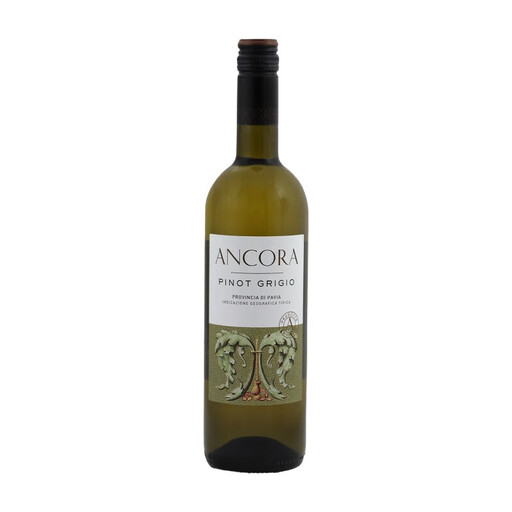
Why it fits: An approachable bottle for a weekday dinner, light lunch or chilled aperitif.
The product information clearly states the 750 ml size and storage advice, so you do not have to rely on marketing language alone.
Pinot Grigio, white wine, 750 ml and a refreshing flavour profile according to the product description.
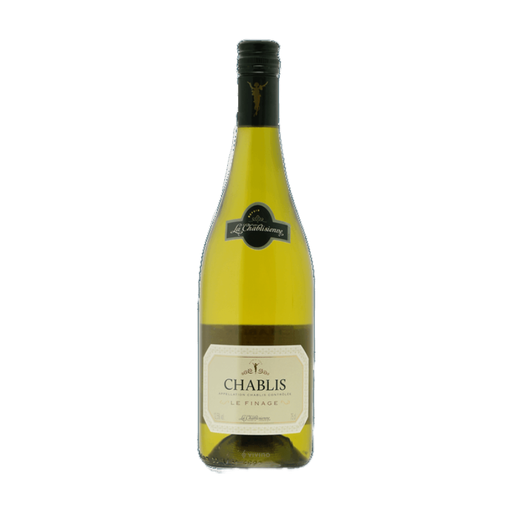
Why it fits: For a dinner where origin, grape variety and a fresh style matter.
The description specifies the origin—Chablis, France—and 100% Chardonnay. Check the current bottle information for allergens.
French white wine, 750 ml, Chardonnay, fresh acidity and, according to the product description, notes of green apple, citrus and minerality.
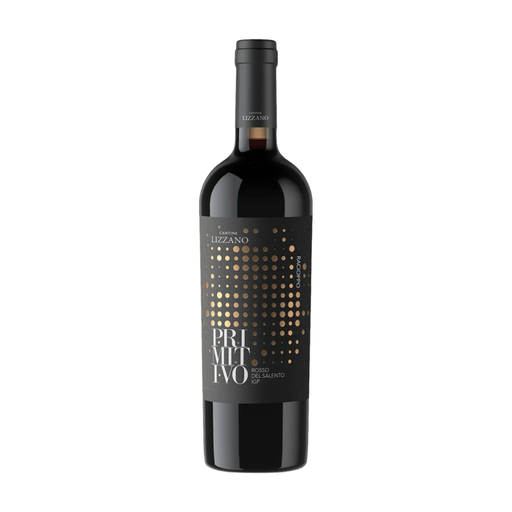
Why it fits: A choice for lovers of full-bodied red wine with pasta, grilled meat or mature cheese.
The grape variety, region and suggested dishes are listed. This allows you to compare the wine with purpose rather than relying solely on its name.
Primitivo from Puglia, Italy, 750 ml and, according to the product description, a powerful style with dark fruit and a long finish.
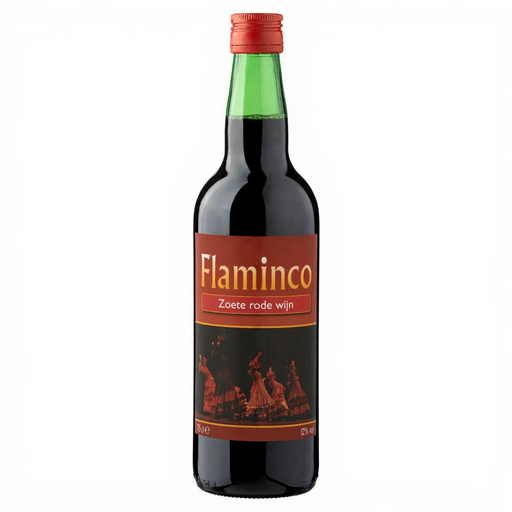
Why it fits: For anyone looking for a lightly sweet red wine as an aperitif or with dessert and cheese.
The ingredients list red wine, sugar, herbs and sulphites. This makes the sweeter style clearer in advance than it would be with a standard red wine.
750 ml, a lightly sweet flavour profile and, according to the product description, a good match for desserts, cheese and aperitif occasions.
Explore a current selection of wines and compare grape variety, origin, bottle size and flavour style before ordering.
A fresh white wine such as Pinot Grigio, Sauvignon Blanc or Verdejo often pairs well with fish, salad, antipasti and light pasta dishes. Alongside the grape variety, check the description of the specific product.
This depends on the type of wine and how it is stored. Reseal the bottle immediately, refrigerate white wine and keep red wine cool and away from light. Always consult the label and product information. An opened bottle may lose its flavour before the stated shelf life has elapsed.
For dinner or sharing, 750 ml is a standard size. If you serve wine by the glass every day or are hosting a larger group, a 1-litre bottle may be worth considering. Compare the bottle size with the number of people and the occasion before buying wine.
