
Vandaag of morgen in huis

Kwaliteit gegarandeerd

Welkomstaanbiedingen ontgrendelen: GRATIS bezorging | Tot 80% korting | Gratis 30 dagen JoyPlus-proefperiode
Download de app
Buying whey protein seems straightforward until you have to choose between whey concentrate, whey isolate, clear whey and a mass gainer. Packaging often focuses on flavour, rapid absorption or added ingredients, while the key differences can be found in the nutrition table.
The most common poor purchases result from three pitfalls:
Whey protein is a milk-based protein powder. Your choice mainly depends on your daily protein requirements, calorie intake, flavour preferences and any allergens.
Whey concentrate contains small amounts of fat and carbohydrates as well as protein. It is often a practical choice for a daily protein shake, for example after exercise or as a top-up between meals. Always check the protein percentage and the amount of sugar per 100 grams.
Whey isolate is filtered further and generally contains less fat and carbohydrates than concentrate. Do not rely solely on the name on the front of the pack. Applied Nutrition ISO-XP, for example, states that its ingredients consist of 95% whey protein isolate, while the nutrition table indicates 90 grams of protein per 100 grams. This difference shows why it is important to check the full product specifications.
Clear whey usually mixes into a lighter, fruit-flavoured drink rather than a creamy protein shake. According to the product information, the Optimum Nutrition Clear + Collagen variant contains 10 grams of whey isolate and 10 grams of collagen peptides per serving. This is therefore not the same as a classic whey shake containing around 24 to 25 grams of milk protein per serving. Also check the number of servings: this 240-gram pack contains approximately 10 servings.
A mass gainer is intended for athletes who want to consume additional calories and carbohydrates. According to the product information, Optimum Nutrition Serious Mass Vanilla provides approximately 50 grams of protein, 250 grams of carbohydrates and around 1.269 to 1.292 kcal per 334-gram serving. This may be suitable for gaining weight, but it is unnecessary if you simply want to increase your protein intake.
Compare products on the same basis. One serving of Gold Standard Whey contains approximately 24 grams of protein from a scoop of around 30 to 32 grams. Applied Nutrition ISO-XP lists 22.5 grams of protein per 25-gram serving. The difference may seem small per scoop, but comparing products per 100 grams is more reliable.
Also pay attention to the serving size. A mass gainer uses a much larger serving than a standard protein shake. The amount of protein per scoop therefore does not tell you everything.
If you are looking for a protein powder for a calorie-controlled diet, it is better to check the full table. Applied Nutrition ISO-XP Vanilla lists approximately 89 kcal, 22.5 grams of protein and less than 1 gram of fat and carbohydrates per 25-gram serving. Optimum Nutrition Platinum Hydro Whey lists 142 kcal and 30 grams of protein per 40-gram serving.
A mass gainer has a very different profile. Its high carbohydrate and calorie content is a deliberate product feature, not a hidden benefit for every goal.
Check whether the product contains milk and whether soya, gluten, egg, peanuts or nuts may be present. Several Optimum Nutrition products contain soya lecithin; according to the product information, Applied Nutrition ISO-XP uses sunflower lecithin but does list milk as an allergen.
Also check the mixing ratio. Gold Standard Whey is generally mixed with 180 to 240 ml of water or milk. ISO-XP uses approximately 200 ml. Platinum Hydro Whey specifies 260 ml of liquid per serving. Milk changes the nutritional values of the prepared shake.

Why it suits this profile: The smaller format makes it easier to try a flavour and a regular whey shake without immediately buying a large supply.
The format limits waste if vanilla whey does not suit your taste. The nutrition information lists approximately 24 grams of protein per serving.
Whey blend with isolate, concentrate and hydrolysed whey; approximately 119 kcal and 24 grams of protein per serving.
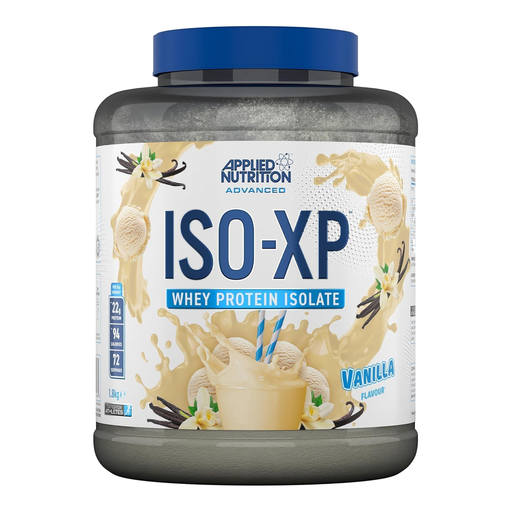
Why it suits this profile: Suitable for athletes who prioritise a low fat and carbohydrate content per shake and use protein powder regularly.
The nutrition table distinguishes between 95% isolate as an ingredient and 90 grams of protein per 100 grams of finished powder.
22.5 grams of protein per 25-gram serving; approximately 0.24 grams of fat and 0.09 grams of carbohydrates per serving.
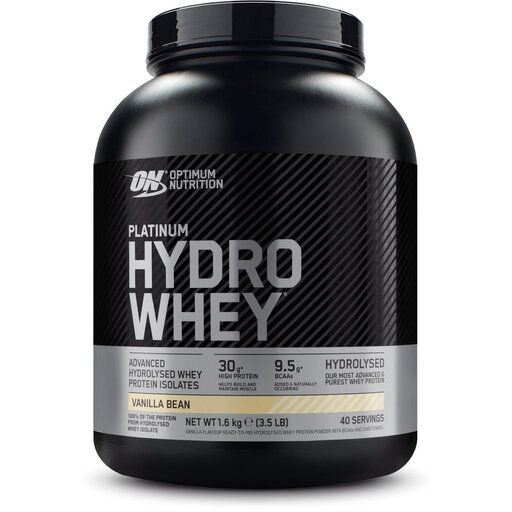
Why it suits this profile: Suitable for users specifically looking for hydrolysed whey isolate and a regular shake after an intense workout.
The serving size and nutritional values are clearly specified: according to the product information, 40 grams of powder provide 30 grams of protein.
Hydrolysed whey protein isolate; 30 grams of protein, 1.8 grams of carbohydrates and 142 kcal per serving.
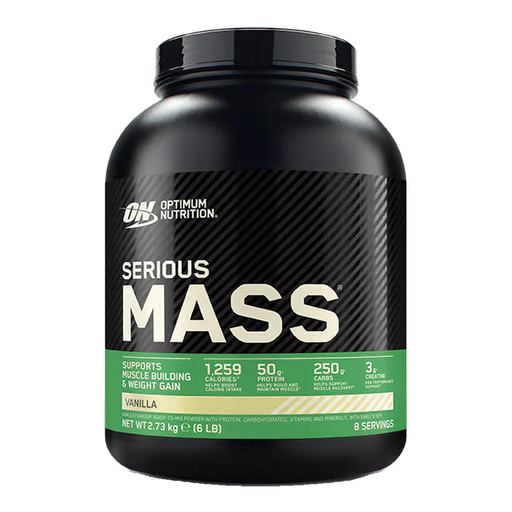
Why it suits this profile: Suitable for adults who deliberately want to add extra calories and carbohydrates to their diet to gain weight.
The high calorie and carbohydrate content is clearly stated. This allows you to distinguish it from a standard protein shake.
According to the product information: 50 grams of protein, 250 grams of carbohydrates and approximately 1.269–1.292 kcal per serving.
We have compiled a complete, up-to-date list of products that fully meet these strict selection criteria and the applicable European safety regulations.
A protein shake can be used after exercise, but the exact timing is not the only relevant factor. Your total protein intake throughout the day, your meals and your training goal also play a part. Follow the serving size on the label and use whey as a supplement to a varied diet.
Check the best-before date and store the powder in a cool, dry place with the container tightly closed. Moisture, heat and direct sunlight can affect its quality and mixability. Do not use a product that smells unusual, has clumped due to moisture or has damaged packaging.
The flavour usually does not determine your protein goal, but it can affect whether you use the product consistently. Therefore, compare the nutrition table, ingredients and price per 100 grams for each flavour. If you are unsure, start with a smaller format or sachet before buying a 1.8- or 2-kilogram pack.
