
Vandaag of morgen in huis

Kwaliteit gegarandeerd

Welkomstaanbiedingen ontgrendelen: GRATIS bezorging | Tot 80% korting | Gratis 30 dagen JoyPlus-proefperiode
Download de app
If you want to buy whey protein, you’ll soon come across dozens of options with terms such as “isolate”, “fast absorption”, “low sugar” and “muscle recovery”. These descriptions sound convincing, but they don’t always tell you what you’re actually getting. A large tub, for example, may contain relatively few servings, while a low sugar content doesn’t automatically mean the product fits your diet.
This buying guide will help you compare whey protein, whey protein powder and alternatives such as vegan protein objectively. Focus on the ingredients, nutritional values, allergens and pack size.
A 2 kg tub may seem like a good deal, but the figures that matter are the protein content per serving and the number of servings. One product may provide 20 grams of protein per serving, while another formula contains 24 or 25 grams. Always compare products using the same serving size.
The number of shakes also varies. According to the product information, the 930-gram Optimum Nutrition 100% Gold Standard Isolate contains 31 servings. This makes it easier to compare the price per shake than looking at the price of the tub alone.
Whey isolate is a form of whey protein that generally has a higher proportion of protein per 100 grams than a standard blend. However, you should still check the label. Some products combine whey protein isolate with whey concentrate and hydrolysed whey.
That’s not necessarily a problem, but it does affect the nutritional values and the price. If you’re looking for a high protein percentage and low sugar or fat, compare the figures per serving and per 100 grams.
According to brands’ own product information, protein can contribute to the growth and maintenance of muscle mass as part of a varied diet and active lifestyle. This doesn’t mean a protein shake will build muscle on its own.
Also look out for terms such as “sugar-free” or “vegan”. Check the ingredients, allergens and nutritional information. A product may be low in sugar but still contain sweeteners, milk ingredients or soya.
For many people who exercise, 20 to 25 grams of protein per serving is a practical amount. The Optimum Nutrition Gold Standard formulas in this selection list around 24 grams per serving. Gold Standard Isolate lists 25 grams per 31-gram serving. Depending on the variant and label, Applied Nutrition Critical Whey lists around 20 to 24 grams per serving.
Also compare the proportion of protein per 100 grams. This helps you avoid products where a large part of the powder is made up of flavourings, carbohydrates or other ingredients.
If you’re looking for low-sugar protein powder, don’t rely only on the front of the pack. The nutritional information gives you the exact amounts. Gold Standard Isolate lists less than 0.5 grams of sugar and less than 0.5 grams of fat per serving. Other whey blends may contain slightly more carbohydrates due to flavourings or additional ingredients.
A low sugar content is particularly relevant if you’re carefully monitoring your overall calorie or carbohydrate intake. On its own, it says nothing about the taste, how well it mixes or whether it’s right for you.
Whey comes from milk. Many formulas also contain soya lecithin as an emulsifier. Always check the allergen information, especially if you have a milk or soya allergy.
A plant-based alternative is Optimum Nutrition Clear Protein 100% Plant Protein Isolate. According to the product information, it contains 20 grams of protein per serving, is vegan and contains no sugar. Its protein source is hydrolysed pea protein. Also check the warning for possible traces of milk, gluten, egg, soya, nuts and peanuts.
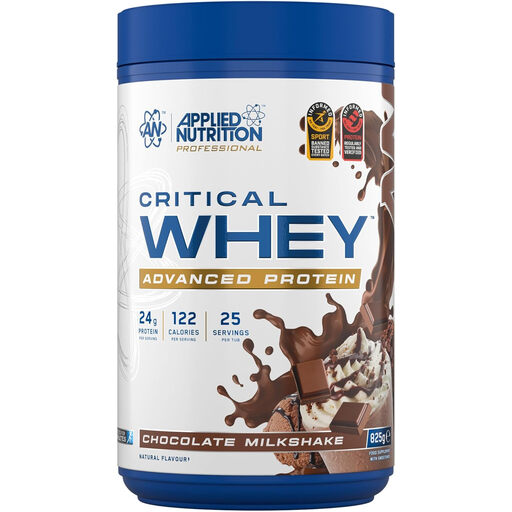
Why it suits this profile: The combination of whey concentrate, whey isolate and hydrolysed whey offers an accessible way to add extra protein to meals or a protein shake.
The product information lists around 20 grams of protein per serving and clearly states the protein source. Before buying, check the exact serving size on the label.
825-gram pack, chocolate flavour and a blend of three forms of whey. Contains milk and soya.
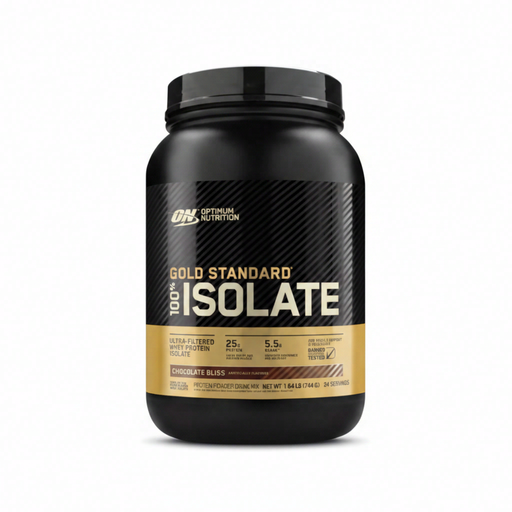
Why it suits this profile: According to the product information, this formula is made with whey protein isolate and provides 25 grams of protein per serving. It suits people who exercise and are looking for a high proportion of protein with low amounts of sugar and fat.
The pack lists both the number of servings and the nutritional values per 31 grams. This makes it easy to compare the price, protein content and serving size.
25 grams of protein per serving, less than 0.5 grams of sugar and less than 0.5 grams of fat, according to the product information provided.
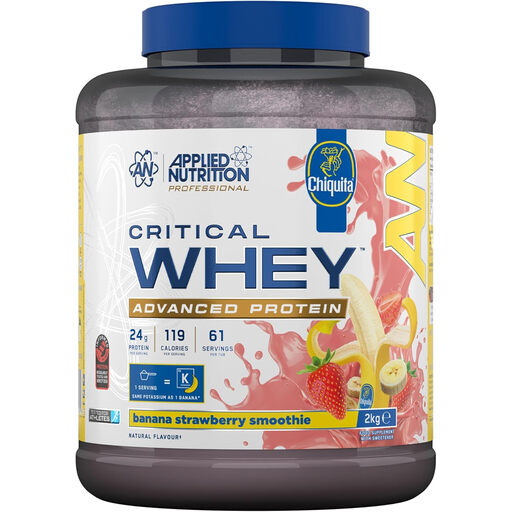
Why it suits this profile: The large pack is designed for people who regularly have protein shakes and would rather not order a new tub as often.
The product information lists a protein blend and around 61 servings. This means you can see not only the total weight, but also how long the pack is expected to last.
2 kg pack containing a combination of whey concentrate, isolate and hydrolysate. Contains milk and soya; check the latest nutritional values for each flavour.
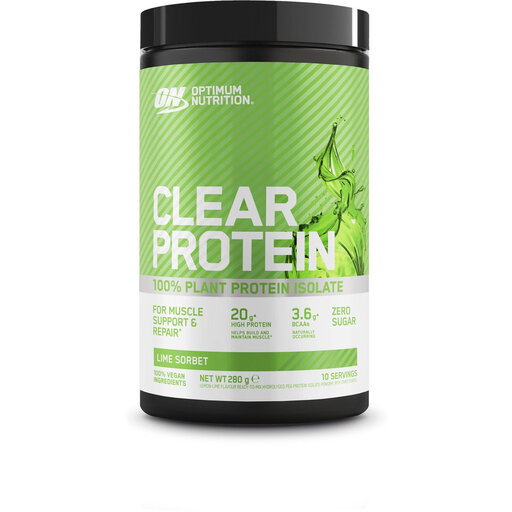
Why it suits this profile: A plant-based alternative for anyone who doesn’t want whey protein or prefers a light drink without a milky texture.
The product information explicitly states that it has a 100% plant-based formula, provides 20 grams of protein per serving and contains no sugar. Check the label for possible traces of allergens.
20 grams of plant-based protein per serving, vegan according to the product information, with a fresh lemon and lime flavour.
We’ve put together a full, up-to-date list of products that meet these strict selection criteria and the applicable European safety regulations.
A protein shake can be handy after exercise, between meals or on a busy working day. Mix the powder with water or milk according to the instructions on the pack. The recommended amount of liquid varies by brand: some products call for around 180 to 240 ml, while Applied Nutrition recommends 300 to 400 ml.
A protein bar can make a convenient snack on the go, but check its sugar, fibre and polyol content too. Products containing sweeteners such as maltitol may have a laxative effect if consumed in excess. A bar is no substitute for a varied meal.
Store protein powder in a cool, dry place and keep the pack tightly sealed. Check the best-before date, batch information and current ingredients list. If you have an allergy or medical condition, take medication, are pregnant or breastfeeding, speak to a doctor before using a supplement.
Whey isolate is a specific form of whey that generally has a higher proportion of protein and fewer carbohydrates or less fat per serving. A regular whey blend may combine isolate, concentrate and hydrolysate. Exact values vary by product and flavour.
You can have a protein shake after exercise as a convenient way to top up your daily protein intake. The exact timing matters less than your overall diet, serving size and training routine. Always follow the dosage instructions on the label.
Yes, vegan protein can be an alternative if you want to avoid dairy products. Check the plant-based source, protein content per serving and any possible traces of allergens. The taste and mixability may differ from whey protein.
