
Vandaag of morgen in huis

Kwaliteit gegarandeerd

Welkomstaanbiedingen ontgrendelen: GRATIS bezorging | Tot 80% korting | Gratis 30 dagen JoyPlus-proefperiode
Download de app
The sports nutrition aisle can be overwhelming. Tubs and bags all promise faster muscle recovery and enhanced muscle growth. But how do you know if you're buying a quality protein powder or just paying for clever marketing? Many athletes unwittingly fall into the same traps. Before you buy a protein shake, it's helpful to know what to look for.
A common pitfall is focusing on a vague "protein blend". This sounds advanced, but often such a mix consists mainly of the cheaper variant (whey concentrate) with just a hint of the more expensive, purer form (isolate). The ratios are rarely disclosed, so you don't know exactly what you're getting.
Another mistake is fixating on the protein percentage on the front of the package. Some brands advertise a high percentage but base it on 100 grams of powder, while a single serving is only 30 grams. Or worse, the shake is padded with sugars and fillers that improve the taste but also add unnecessary calories.
You don't need to be a nutritionist to avoid a bad purchase. By paying attention to a few key specifications, you can make a good assessment yourself.
The base of most protein shakes is whey, a by-product of cheese production. The way this whey is processed determines its quality and price.
Always check the nutrition facts panel on the back of the packaging. A good protein shake provides about 20 to 25 grams of protein per serving (usually around 30 grams). This is the relevant amount for your muscle growth and muscle recovery.
Also, look for the presence of BCAAs (Branched-Chain Amino Acids). These are essential amino acids. Brands that clearly state the BCAA profile on their label are generally more transparent about their product's composition.
To help you get started, we've highlighted a few products that suit different athletic goals, based on their specifications.
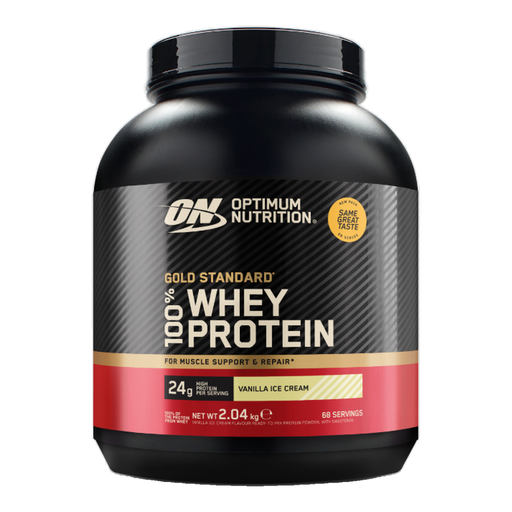
Why This Fits Their Persona: This is a reliable choice for regular athletes seeking an effective protein shake for general muscle recovery. The balance of quality, taste, and mixability makes it a popular product in many gym bags.
The 'blend' is actually a strength here. According to the manufacturer Optimum Nutrition, whey isolate is the main ingredient, supplemented with concentrate and hydrolysate. The nutritional values per serving are clearly specified.
Delivers 24 grams of protein per serving and is naturally rich in BCAAs. The powder is instantised, which means it dissolves easily in water or milk.
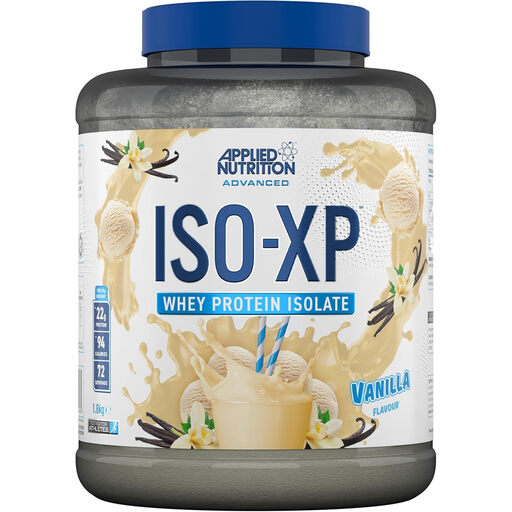
Why This Fits Their Persona: For those seeking the purest possible protein shake with minimal carbs, sugars, and fats. Ideal during a cutting phase or for individuals sensitive to lactose who want a fast-absorbing protein shake.
This is a pure whey isolate, not a vague blend. The label shows a very high protein content (90 grams per 100 grams of powder) and less than 1 gram of sugar and fat per serving. No hidden fillers.
Provides 22.5 grams of protein per 25-gram serving. The formula is gluten-free and uses sunflower lecithin instead of soy as an emulsifier.
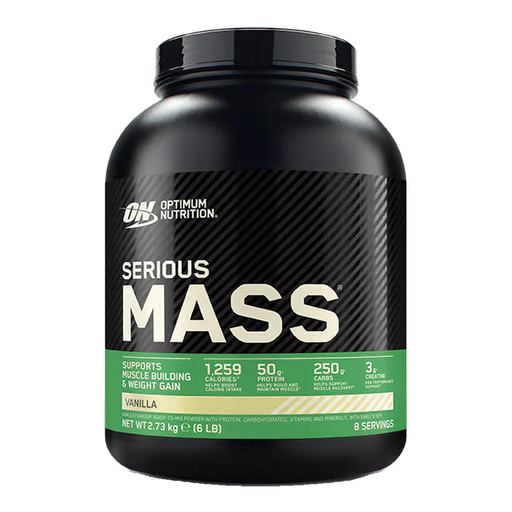
Why This Fits Their Persona: Specifically designed for those who struggle to gain weight and muscle mass. This shake delivers not only protein but also a large number of calories and carbohydrates to help create a caloric surplus.
This is not a standard whey protein, but a 'weight gainer'. The 'pitfall' of extra carbs and calories is a deliberate advantage here. Its function is clear and aimed at mass building.
Very high in calories (over 1250 kcal per serving) and protein (50 grams) to support weight gain. It also contains added vitamins, minerals, and creatine.
We have compiled a complete, up-to-date list of products that meet these selection criteria and local regulations.
The most common time is immediately after your workout to support muscle recovery. The proteins are then used to repair the muscle damage that occurred during exercise. However, you can also take a protein shake at other times of the day, for example, as a high-protein snack or to supplement a meal that is low in protein.
This depends heavily on your body weight, activity level, and personal goals. For most active adults, 1 to 2 shakes per day, in addition to a balanced diet, is sufficient. Remember that protein powder is a dietary supplement; it is meant to complement your regular diet, not replace it.
No, a protein shake won't automatically make you gain weight. Weight gain is caused by a consistent calorie surplus: consuming more calories than you burn. A pure whey isolate shake is relatively low in calories. In contrast, a weight gainer like Serious Mass is intentionally packed with calories. Choose the product that matches your goal: muscle building with limited calories, or gaining mass.
