
Vandaag of morgen in huis

Kwaliteit gegarandeerd

Welkomstaanbiedingen ontgrendelen: GRATIS bezorging | Tot 80% korting | Gratis 30 dagen JoyPlus-proefperiode
Download de app
Whether you're training for muscle growth, want to speed up your recovery after a tough workout, or simply need to increase your daily protein intake, a good whey protein can be a valuable tool. But the fitness supplement market is saturated with marketing claims and confusing labels. It's easy to buy a protein powder that contains more sugar and fillers than you'd like.
As a Joybuy Product Recommendation Officer, I'm here to help you cut through the noise. We'll focus on the facts so you can make an informed choice that aligns with your goals and budget. Let's review the most common pitfalls and key specifications before you decide to buy a whey protein.
Many tubs look promising, but the contents don't always tell the same story. Watch out for these two common deceptions:
You don't need to be a nutritionist to make a good choice. By paying attention to the following three points, you can quickly assess the quality of a protein powder.
The foundation of any whey protein is protein from milk, but the processing method makes a huge difference.
Don't be fooled by claims like "24 grams of protein per serving." Always look at two things: the serving size (scoop) and the protein content per 100 grams. A product with 24 grams of protein in a 40-gram scoop is very different from a product with 22.5 grams of protein in a 25-gram scoop. The percentage per 100 grams provides the most honest comparison between different tubs of protein powder.
Ingredients are always listed in order of quantity. Is whey protein isolate at the top? Then that's the main component. Also, look further down the list for unwanted additives. Sweeteners like sucralose and acesulfame-K are standard, but a long list of thickeners, flavourings, and sugars can be a sign of a less pure product.
Based on the criteria above, we have selected a number of products that suit different types of athletes.
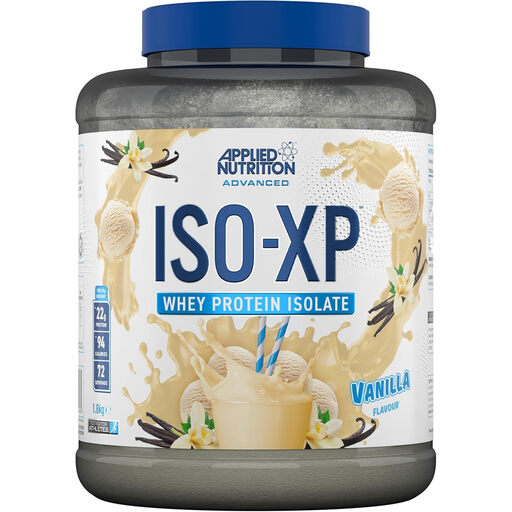
Why This Fits Their Persona: For the athlete aiming for maximum protein intake with minimal extras. Ideal for a cutting phase or if you're simply looking for the purest form of whey isolate to support your muscle growth.
This product bypasses the 'blend trap' by using whey protein isolate as its main ingredient (95% of the formula). It contains less than 1 gram of sugar and fat per 25-gram serving, ensuring you don't consume hidden calories.
Very high protein content (90g per 100g). Suitable for vegetarians and gluten-free diets. Mixes easily thanks to sunflower lecithin instead of soy.
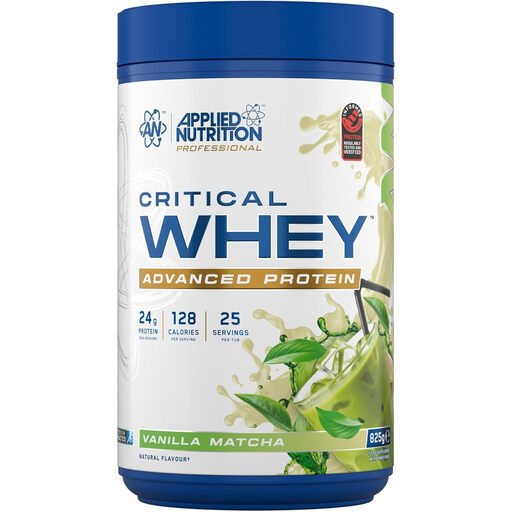
Why This Fits Their Persona: An excellent choice for the everyday athlete looking for a reliable and tasty protein shake for after a workout or as a snack, without paying a premium price.
This product is transparent about its composition: a blend of whey concentrate and isolate. So you know you're buying a blend. The sugar and fat levels are low, keeping it a functional choice.
Offers a great balance between quality and price. The mix of protein sources effectively supports muscle recovery. The unique flavour is a welcome change.
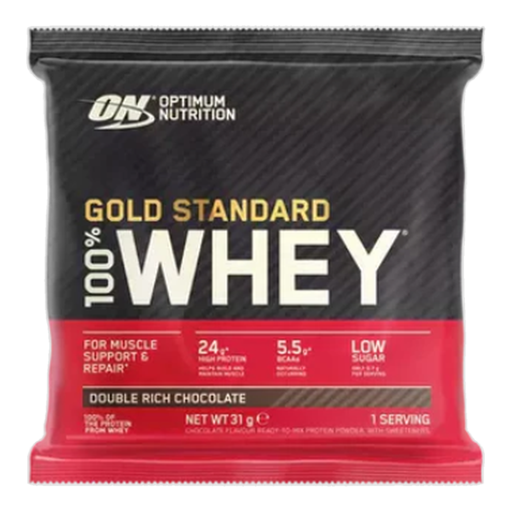
Why This Fits Their Persona: Perfect for those unsure about a flavour or looking for a convenient solution for their gym bag. No hassle with large tubs, just a single serving ready to use.
Avoids the biggest financial pitfall: buying a large 2 kg tub only to discover after one shake that you don't like the flavour. A sachet lets you try a well-known brand and flavour without a major investment.
Maximum convenience for on-the-go use. Ideal for testing different flavours of a popular product before committing to a large container.
This is just a selection. There are more fitness supplements that meet our strict criteria. If you're looking for other flavours, larger sizes, or specific blends, you can browse our full range.
The most popular time is immediately after your workout (post-workout) to support muscle recovery. Protein contributes to the repair of muscles after physical exertion. However, you can also have a protein shake in the morning to start your day with a protein boost, or as a filling snack to help you meet your daily protein goals.
No, whey protein itself does not make you fat. A calorie surplus, regardless of the source, leads to weight gain. A protein shake can actually be a useful tool for weight management because protein provides a feeling of satiety. Opt for a low-sugar, low-fat version, such as a whey isolate, if your calorie intake is a priority.
This depends entirely on your body weight, activity level, and overall diet. A protein powder is a supplement, not a replacement for whole foods. Active adults often have higher protein needs. One or two shakes per day can be a practical way to meet this need, in addition to protein-rich meals. When in doubt, consult a qualified professional for personalized advice.
