
Vandaag of morgen in huis

Kwaliteit gegarandeerd

Welkomstaanbiedingen ontgrendelen: GRATIS bezorging | Tot 80% korting | Gratis 30 dagen JoyPlus-proefperiode
Download de app
Wet wipes are handy for household cleaning, on the go, after using the toilet, or when changing a baby. Yet comparing the options isn't as straightforward as the packaging might suggest. A wipe designed for floors isn't automatically suitable for skin, and a product labelled "flushable" shouldn't be flushed down just any toilet without a second thought.
So pay particular attention to the intended use, ingredients, packaging and total quantity. That way, you'll avoid wipes that dry out, cause irritation, or turn out to be unsuitable for the surface you bought them for.
Cleaning wipes often contain surfactants, fragrances or other cleansing ingredients. These are intended for hard surfaces, not for hands, face or baby's skin. So don't use a floor wipe as a hygiene wipe for personal care.
Check the packaging to see whether the product is intended for:
A wipe may be biodegradable according to the product information, yet still not be suitable for the sewer system. Even wipes marketed as flushable can cause blockages if used incorrectly. The thickness, fibre structure and number of wipes flushed at once all play a part here.
Always follow the usage instructions on the packaging. When in doubt, throwing them in the bin is the safe choice. G'woon Wet Toilet Paper, for example, explicitly states that the wipes must not be flushed down the toilet.
A bulk pack of wet wipes may look appealing, but also check the number of wipes per pack, the dimensions and the closure. A pack with lots of wipes that is opened frequently can dry out more quickly. So work out the price per wipe and choose a size that suits your usage.
For baby wipes and facial cleansing wipes, fragrances, alcohol and colourants are key things to look out for. If you have sensitive skin, it's best to look for a product where the ingredients and warnings are clearly stated.
Pampers Sensitive Plastic Free Baby Wipes is marketed according to the product information with 0% plastic, plant-based fibres and a formula free from alcohol, perfume and colourants. The manufacturer also states that the product has been dermatologically tested. That's a brand claim; if you have sensitive skin, always check the full ingredients list and stop using the product if irritation occurs.
With other baby wipes too, such as BC Babycare Wet Wipes, the product information mentions an unscented formula and plastic-free, plant-based fibres. "Plastic-free" here refers to the wipe material as described by the supplier; also check the packaging and local waste disposal rules.
For kitchen worktops, tables and other hard surfaces, cleaning wipes with enough moisture and a suitable cleaning formula are practical. Make sure the product is suitable for the material. Natural stone, untreated wood and delicate coatings can react differently to plastic or tiles.
Dettol Cleaning Wipes Citrus contains, according to the product description, less than 5% non-ionic surfactants, less than 5% cationic surfactant and perfume. According to Dettol's own research, these antibacterial wipes remove 99.9% of bacteria, allergens and dust mites. This is a brand claim, not a general guarantee for every situation or surface.
A resealable lid or well-sealing pack helps to keep moisture in. With larger wipes, a single one can also clean more surface area. Sleepy Wipes Easy Clean 4XL has, according to the product information, a size of 25 × 25 cm, a resealable pack and 50 wipes per pack.
For travel, smaller packs or individually compact versions are more convenient. For families, a multipack or bulk pack can be more practical, as long as you store unopened packs in a cool, dry place.
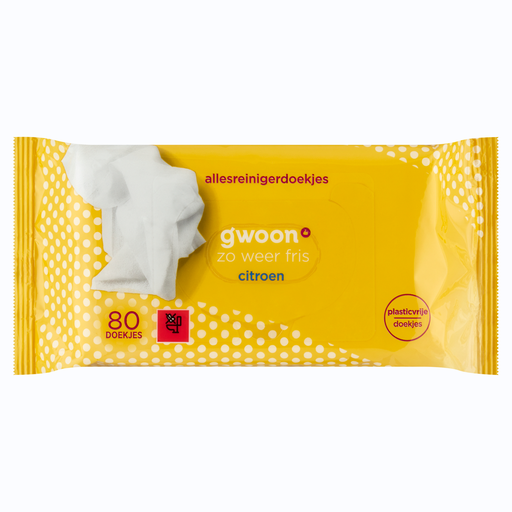
Why this fits the profile: A practical option for everyday cleaning around the house, with 80 wipes per pack and a lemon scent.
The product description states the wipe is for various surfaces. Therefore, do not use it on skin or face.
80 wipes per pack; suitable for general cleaning tasks; fresh lemon scent according to the product information.
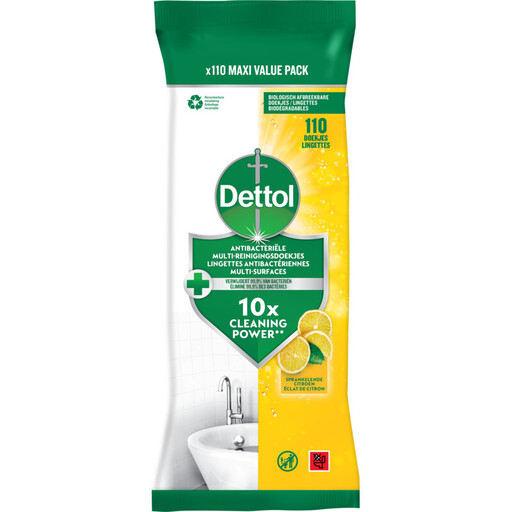
Why this fits the profile: Aimed at households that want one pack for multiple hard surfaces.
The product information lists the ingredients and intended use. This allows you to check whether it suits your cleaning routine.
110 wipes; citrus variant; according to Dettol's own research, a claim of 99.9% removal of bacteria.
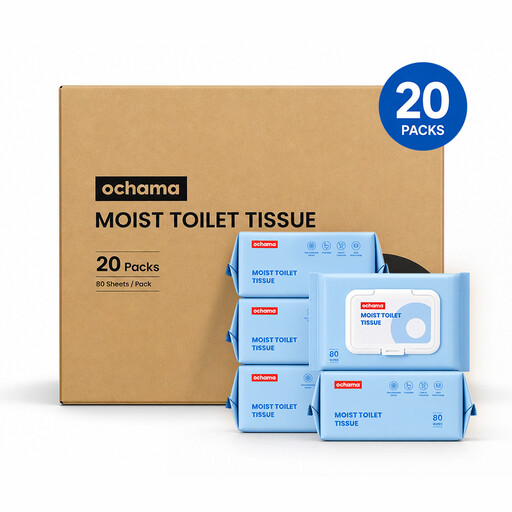
Why this fits the profile: The family bundle of 20 packs is ideal for households that use moist toilet wipes regularly.
The pack must be closed properly after use. Despite the flushable claim, the product information advises using small amounts to reduce the risk of blockages.
20 packs of 80 wipes; 1,600 sheets in total; intended for personal hygiene and use on the go.
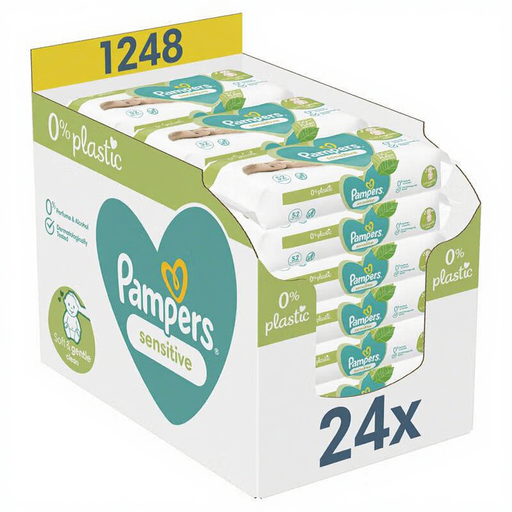
Why this fits the profile: A large supply of baby wipes for changing at home, at nursery or on the go.
The product information states use from birth, an unscented formula and a resealable pack. Do not flush.
780 wipes; according to the product description, plastic-free plant-based fibres; free from alcohol, perfume and colourants.
We've put together a full, up-to-date list of products that fully meet these strict selection criteria and comply with current European safety regulations.
That depends on the product. Where possible, choose a variant where perfume, alcohol, colourants and ingredients are clearly listed. "Mild" or "suitable for sensitive skin" is information from the manufacturer and not a guarantee for every user. Stop using the product if redness or irritation occurs.
Not always. Some products are marketed as flushable, but can still cause blockages. The safest choice for pipes and sewers is to throw used wipes in a bin. In any case, always follow the instructions for the specific product.
The shelf life varies by brand and formula. An opened pack generally stays usable for longer if it is sealed properly and kept away from dryness, heat and direct sunlight. Check the date and do not use a pack if the wipes have dried out, become discoloured or smell unpleasant.
