
当日/次日达

品质保障

开启新人专享福利: 全场免邮 | 低至 2 折 | 免费试用 30 天 JoyPlus 会员
下载 Joybuy
Wet wipes are handy for quick hygiene, baby care, toilet use and cleaning surfaces. However, they vary considerably in their ingredients, size, packaging and intended use. A pack of baby wipes isn’t automatically suitable for your kitchen worktop, and disinfectant wipes shouldn’t be used on your skin.
So the right choice doesn’t start with the scent or a prominent claim on the packaging. It starts with what you need the wipes for.
The term ‘wet wipes’ covers several different product types:
Always use wipes as directed on the label. Cleaning wipes may contain ingredients that aren’t intended for skin. Conversely, skin-friendly wipes usually aren’t designed to remove grease, limescale or dirt from surfaces.
A high count may seem like good value, but also check:
A multipack of wet wipes is practical for families or households that use them regularly. Smaller packs are often more convenient for a bag, car or office. If you’re buying several packs, a resealable flap is useful, as an open pack can lose moisture more quickly.
Claims such as ‘antibacterial’, ‘biodegradable’ or ‘dermatologically tested’ only mean something in the context of the product and its instructions. According to Dettol’s product information, certain variants remove 99.9% of bacteria, allergens and dust mites. This is a brand claim, not a general feature of all antibacterial wipes.
So check the ingredients, warnings, surfaces the wipes are suitable for and recommended instructions for use. Don’t mix cleaning products, and don’t use bleach-containing wipes on materials they aren’t intended for.
For wipes used on skin, the following details may be relevant:
According to its product description, Pampers Fresh & Clean is sold as an alcohol-free baby wipe for bottoms, hands and faces. The packaging says it can be used from birth and has a dermatologically tested formula. These are manufacturer-provided product details. If your baby has sensitive skin, it’s a good idea to check the ingredients list first and stop using the wipes if irritation occurs.
When choosing cleaning wipes, consider the type of dirt and the surface. A wipe for kitchen grease isn’t automatically suitable for wood, natural stone, electronics or painted surfaces. Check the label before cleaning a new material.
Blue Wonder says its disinfectant cleaning wipes can be used on surfaces including worktops, toilets and toys. According to the product information, they’re plastic-free, chlorine-free and alcohol-free. The ingredients include lactic acid and fragrance. As always, follow the instructions and, if in doubt, test the wipes on an inconspicuous area first.
Moist toilet wipes aren’t the same as ordinary toilet paper. Look for an explicit statement that they’re flushable and a relevant standard, such as the INDA/EDANA standard. Page Complete Clean says its wipes meet this standard and are biodegradable.
However, pipes and sewer systems can vary. Never flush several wipes at once, and follow local guidance and the information on the packaging. If the product doesn’t clearly say it’s flushable, put the wipe in your general waste. Cleaning wipes and baby wipes shouldn’t be flushed down the toilet.
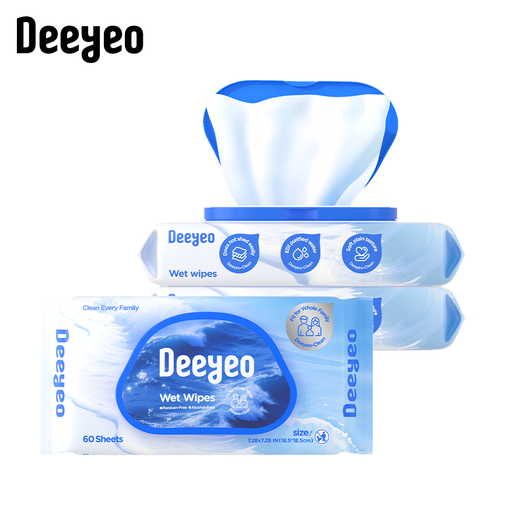
Why it suits this profile: The pack contains 180 wipes, divided into 3 packs of 60. That makes it a good fit for everyday use at home, in the office or on the go.
With the wipes split across three packs, you don’t have to keep opening one large pack, which can help prevent them from drying out.
180 wipes in 3 separate packs. According to the product name, they’re intended for hygiene, travel, office use and use on the go.
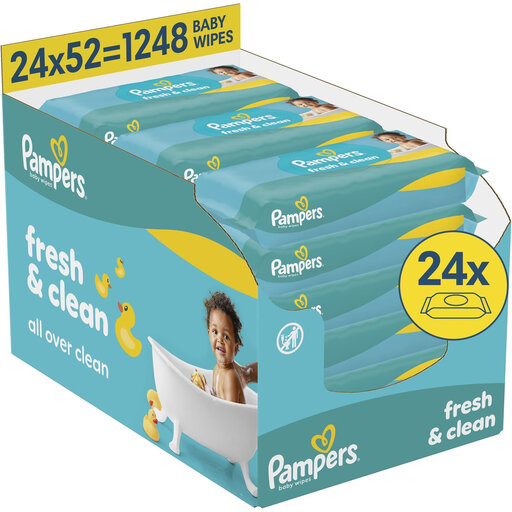
Why it suits this profile: Families who use baby wipes every day get 24 packs of 52 wipes for use at home and on the go.
The smaller packs mean you won’t need to keep opening and closing a large pack. The product information also states that they contain 0% alcohol and come in resealable packaging.
1248 wipes for bottoms, hands and faces; according to the manufacturer, suitable from birth.
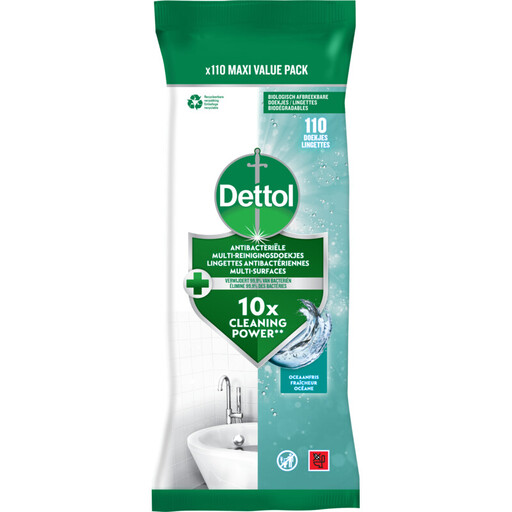
Why it suits this profile: For households that regularly clean hard surfaces and want wipes with a specific hygiene claim.
The product information describes these as multi-surface wipes, so you won’t confuse them with wipes for skin. Always check which surfaces they’re suitable for.
110 wipes; according to Dettol’s own information, intended to remove bacteria, allergens and dust mites.
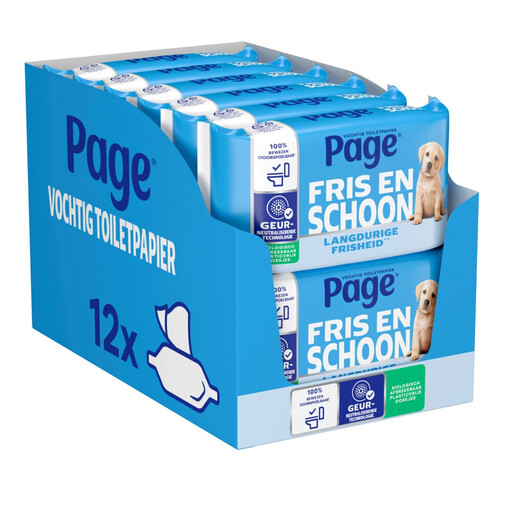
Why it suits this profile: A practical option to use after dry toilet paper, at home or on the go, when a compact pack matters.
The product description explicitly mentions the INDA/EDANA standard for flushability. Also follow local guidance and don’t flush large quantities at once.
12 packs of 38 wipes, plastic-free according to the product information and made from natural fibres.
We’ve put together a complete, up-to-date list of products that meet these strict selection criteria and the applicable European safety regulations.
It varies by product. Check the expiry date or the stated period for use after opening on the packaging. A resealable pack helps prevent the wipes from drying out, but make sure you close it properly after each use. It’s best not to use wipes that are dry, discoloured or smell different.
No. Only flush them if the packaging clearly says they’re flushable, for example by referring to a flushability standard. Even then, it’s best to follow local guidance and avoid flushing large quantities. Baby wipes, cleaning wipes and disinfectant wipes should go in your general waste.
Not necessarily. Antibacterial surface wipes are intended for hard materials and may contain substances that aren’t designed for contact with skin. For your hands or face, use only wipes labelled for that purpose, such as certain skin-friendly wipes or baby wipes. If in doubt, check the ingredients and instructions for use.
