
Vandaag of morgen in huis

Kwaliteit gegarandeerd

Welkomstaanbiedingen ontgrendelen: GRATIS bezorging | Tot 80% korting | Gratis 30 dagen JoyPlus-proefperiode
Download de app
Living in an apartment or studio often means making smart use of every square metre. A separate washing machine and dryer can quickly take up too much space. A washer-dryer, a washing machine and dryer in one, might seem like the perfect solution. And it can be, provided you know what to look for. The market is filled with models that make lofty promises but don't always deliver.
As a Joybuy Product Recommendation Officer, I'm here to help you cut through the marketing jargon. We'll look at the specifications that truly matter, so you can choose a model that fits your household and doesn't lead to unexpected costs. Let's start with the three most common pitfalls.
The most common mistake is misjudging the load capacity. You see a 9kg washer-dryer and assume you can wash and dry 9 kilos of laundry. That is not the case. The drying capacity is always lower than the washing capacity. For a 9 kg washing model, the drying capacity is often only 5 or 6 kg.
This means that after a full wash, you have to remove some of the wet laundry from the machine before you can start the drying programme. This is not only inconvenient but also undermines the very convenience of an all-in-one appliance.
Many washer-dryers advertise a favourable energy label, such as class A. However, this label often only applies to the wash cycle. For the combined wash and dry cycle, many of these machines fall into a much lower class, such as D or E.
An energy-efficient washer-dryer is only truly efficient when you look at the consumption of the full cycle. This is listed separately on the energy label and ultimately determines the impact on your energy bill. A higher purchase price for a more efficient model can pay for itself in the long run.
A smart washer-dryer with app control sounds modern and convenient. In practice, many apps offer little more than the ability to start the machine remotely. Features that are genuinely useful, such as automatic detergent dosing, energy consumption monitoring, or programme advice based on the load, are often only found on more advanced models. So, ask yourself which 'smart' features you will actually use before paying extra for them.
To avoid a bad purchase, there are a few key specifications you should always check.
Always look at both numbers. The washing capacity determines how much laundry you can get clean in one go; the drying capacity determines how much you can dry immediately afterwards.
Ignore the wash-only label and focus on the label for the combined wash-dry cycle. This is expressed in kWh per 100 cycles. The lower this number, the lower your energy bill. Models with heat pump technology are the most efficient but have a higher purchase price.
Do you live in an apartment or want to do laundry at night? Then a quiet washer-dryer is essential. The noise level is expressed in decibels (dB).
To get you started, we have highlighted a few models that cater to different needs and avoid the pitfalls mentioned earlier.
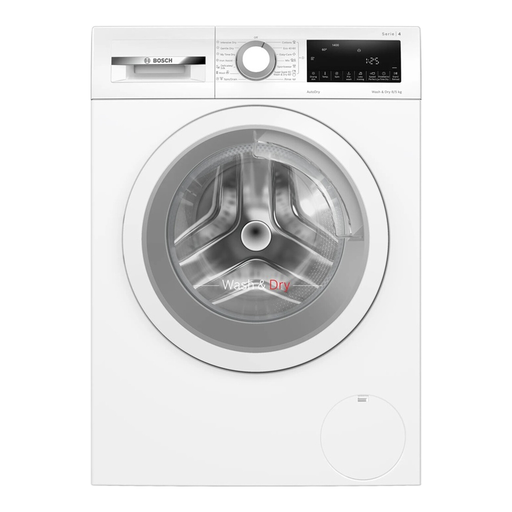
Why This Fits Their Persona: Ideal for a one or two-person household in an apartment. This Bosch model offers reliability and efficiency without unnecessary frills. The capacity is perfect for smaller loads, and the machine is designed for a long lifespan.
The 8kg wash and 5kg dry capacity is clearly specified, so you know exactly what to expect. You can wash and dry a realistic amount of laundry in one go.
The EcoSilence Drive motor is quiet (47 dB when washing) and durable. The ActiveWater sensors adjust water consumption to the load, which saves water.
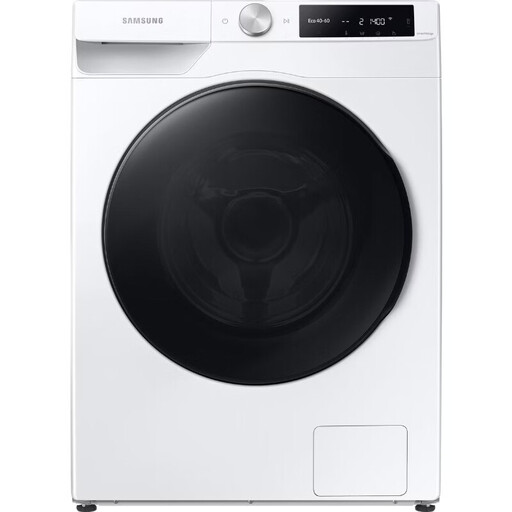
Why This Fits Their Persona: For families that do a lot of laundry, a large capacity is a must-have. This model offers a very generous 11 kg wash capacity, meaning you'll do fewer loads. Time-saving features like SuperSpeed are ideal for a hectic lifestyle.
The AI Control features are genuinely useful: the machine learns from your habits and suggests programmes. This makes the 'smart' features practical rather than a gimmick.
Thanks to SpaceMax technology, the machine has a larger drum in a standard-sized housing. The SuperSpeed programme washes a full load in 39 minutes.
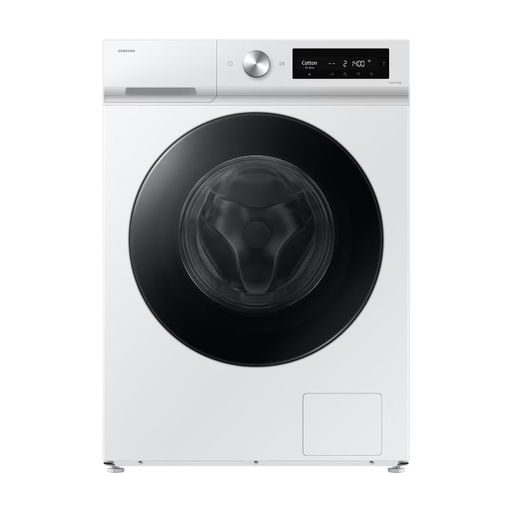
Why This Fits Their Persona: For those who want to combine the convenience of technology with sustainability. This model is packed with smart sensors that optimise the washing process, saving water, energy, and detergent.
The AI Wash function with sensors and Auto Dispense (automatic dosing) ensure that the smart technology directly leads to better washing results and less waste.
QuickDrive technology can reduce washing time by up to 50%. The Less Microfiber programme helps reduce the spread of microplastics.
We have compiled a complete, up-to-date list of products that fully meet these strict selection criteria and safety regulations.
A full wash and dry cycle can take between 4 and 8 hours, depending on the model and the load. This is because the machine first runs a full wash programme and then a long drying programme. However, many modern machines also have quick programmes, such as 'Wash & Dry 60', which allows you to wash and dry a small load (about 1 kg) in one hour.
For most households, the washing and drying quality of a modern washer-dryer is excellent. However, a separate washing machine and dryer often have a larger capacity and are typically more energy-efficient, especially if you opt for a heat pump dryer. The biggest advantage of a combo unit remains the enormous space-saving. If you have the space, a separate set is often the better choice. If not, a washer-dryer is an excellent alternative.
Most washer-dryers use condenser drying technology. This involves cooling hot, moist air with cold water, after which the moisture is drained away. This consumes a relatively large amount of water and energy. A few advanced models, such as the Samsung WD18DB8995BZ/T2, use heat pump technology. This recycles the warm air, requiring much less energy. These models are significantly more efficient (often with an A energy label for the combined cycle) but have a higher purchase price.
