
Vandaag of morgen in huis

Kwaliteit gegarandeerd

Welkomstaanbiedingen ontgrendelen: GRATIS bezorging | Tot 80% korting | Gratis 30 dagen JoyPlus-proefperiode
Download de app
When you want to buy walnuts online, you’ll quickly see more than just whole walnuts. There are shelled walnuts, thin-shelled walnuts, biscuits, walnut powder, walnut oil, walnut baklava and mixed nuts. The difference isn’t just in the price. Packaging, ingredients, allergens and intended use all determine whether a product is right for you.
A product with “walnut” in the name can contain relatively little walnut. For example, HaoChiDian Crispy Walnut Cookies state a walnut content of at least 0.2%. That’s quite different from a bag of pure walnuts. Always check the ingredients list and the quantitative ingredient declaration.
Yanghang Walnut Cookie lists a walnut content of at least 1.5%. The biscuit also contains wheat flour, sugar, soya, milk powder, peanuts and vegetable oil. This makes it suitable as a walnut-flavoured biscuit, but not as a substitute for a portion of loose nuts.
Thin-shelled walnuts still have their hard outer casing. The advantage is that, according to the product description, they are easier to crack by hand. You still need to remove the shell yourself before eating the kernel.
Be&Cheery paper-shell walnuts and Haoxiangni Thin-Shelled Walnuts are examples of this type. So when you buy, check whether you’re looking for shelled walnuts or whole Chinese walnuts in their shells. A nutcracker or suitable sturdy kitchen tool can be handy; watch out for flying shell fragments.
A 500-gram pack looks appealing, but walnuts lose their crunch more quickly after opening if stored somewhere warm, damp or exposed to air. Only buy a large size if you use them regularly and can reseal the packaging properly.
Also pay attention to the difference between net weight and edible product. With walnuts in their shells, part of the pack weight is actually inedible shell.
For pure snacking or use in a recipe, walnut should be the only ingredient, or at least clearly at the top of the list. Be&Cheery paper-shell walnuts lists only walnuts. The Haoxiangni variety also contains walnut as an ingredient and is supplied as 500 grams divided across eight packs.
With biscuits, bars, baklava and powders, walnut often appears alongside sugar, flour, oil or other nuts. Anatolia walnut baklava contains 11% walnut according to the label, plus sugar, wheat flour and egg among other things. That can work as a dessert choice, but it’s not the same as loose walnuts.
Walnuts are among the allergens that must be declared by law. Also check for other listed allergens and warnings about cross-contamination. The HaoChiDian biscuits contain, according to the product information, wheat, egg, peanuts, milk and walnuts. It also states that the factory processes products containing soya and sesame.
With mixed nuts, the range is broader. g’woon Unroasted Mixed Nuts contains, according to the product data, 30% hazelnuts, 30% walnuts, 20% almonds and 20% cashew nuts. That’s practical if you want variety, but less suitable when you want to buy only walnuts or need to avoid specific nuts.
For all the products discussed, a cool, dry place out of direct sunlight is important. Seal opened packs airtight. For walnuts in their shells, Haoxiangni recommends a storage temperature of 0 to 4 °C; always follow the label on the product you receive.
For cooking, the type of fat is also relevant. Qixian Walnut Oil contains, according to the product information, only walnut oil and comes in a 500 ml bottle. The label mentions use for stir-fries, cold dishes and as a flavour enhancer. The nutritional information states 880 kcal and 99.6 g of fat per 100 ml. So use an amount that suits your dish and check whether the oil is suitable for your cooking method.
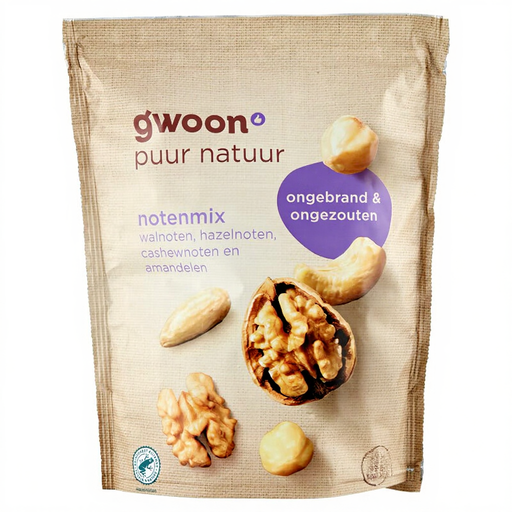
Why this fits the profile: A mixed bag is handy if you want to try different nuts without buying several packs. The mix contains 30% walnuts and is unroasted and unsalted.
The percentages per nut type are listed, so you know exactly how much walnut you’re buying. The bag contains no added salt.
500 g contents; clear ratio of hazelnut, walnut, almond and cashew.
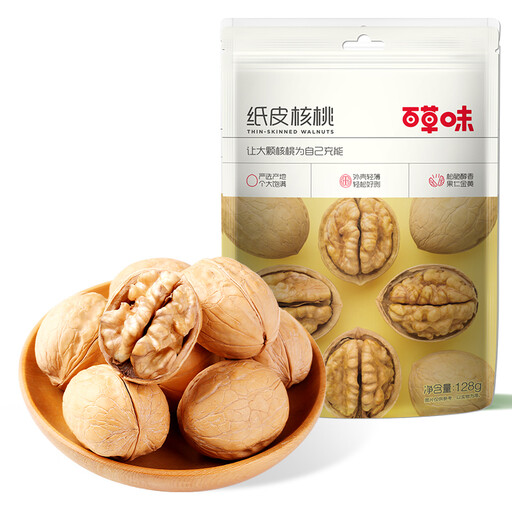
Why this fits the profile: This pack focuses on pure thin-shelled walnuts. The contents are suitable for cracking and eating straight away or using in a nut mix.
The product information lists only walnuts and makes clear that the shell is still present. So you won’t confuse this with shelled walnuts.
One ingredient; 128 g; thin shell and individually packed according to the product description.
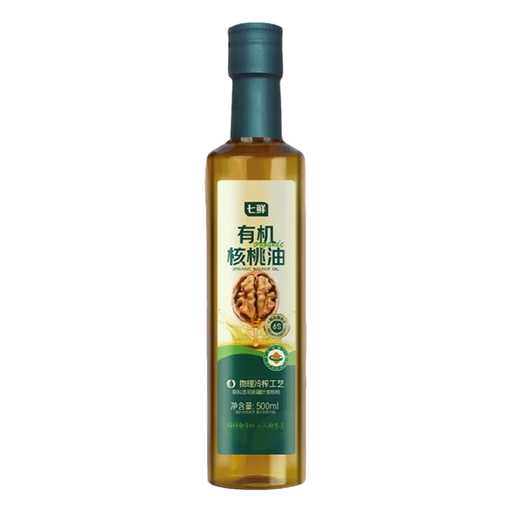
Why this fits the profile: If you regularly make Asian dishes, cold plates or stir-fries, a bottle of walnut oil is more practical than loose walnuts.
The ingredients list states only walnut oil. The usage instructions mention specific applications rather than a general health story.
500 ml contents; one ingredient; suitable for stir-fries, cold dishes and as a flavour enhancer.
We’ve put together a full, up-to-date list of products that fully meet these strict selection criteria and comply with current European safety regulations.
Store them airtight, cool and dry, and keep them out of direct sunlight. For walnuts in their shells, follow the temperature and other instructions on the label. Before use, check for any unusual smell, taste or visible damage.
No. “Thin shell” refers to the hard outer casing that you still need to crack. If you want to cook or bake straight away, look specifically for shelled walnuts.
That depends on how you plan to use them. Loose walnuts contain no biscuit dough, sugar or oil, whereas walnut biscuits, powder and baklava mainly offer convenience and a different preparation. So compare the price per 100 g and the walnut content on the label.
