
Vandaag of morgen in huis

Kwaliteit gegarandeerd

Welkomstaanbiedingen ontgrendelen: GRATIS bezorging | Tot 80% korting | Gratis 30 dagen JoyPlus-proefperiode
Download de app
Especially in the Netherlands, where sunshine is scarce for much of the year, it's no surprise that many people consider buying vitamin D3. This vitamin contributes to maintaining strong bones and muscles and supports the immune system. But the shelves are packed with jars and bottles. How do you choose the right one without falling into the usual traps?
Many people select a product based on a high dosage or attractive packaging, only to find out later that it doesn't suit their needs or is full of unnecessary additives. Let's take a look at the most common missteps.
To avoid making the wrong choice, it's helpful to pay attention to a few objective specifications. This will help you select a product that truly fits you or your family.
The amount of vitamin D is expressed in micrograms (mcg) or International Units (IU). The rule of thumb is simple: 10 mcg is equivalent to 400 IU. So don't be swayed by a high IU number if the base dosage in mcg is low.
The Dutch Health Council provides clear advice for specific groups in the Netherlands:
A general maintenance dose for adults is often 25 mcg of vitamin D3. For a diagnosed vitamin D deficiency, a doctor may recommend a higher dosage, such as 75 mcg of vitamin D3. It is always wise to consult a doctor if you have doubts or specific health conditions.
The choice of form depends entirely on personal preference and who will be using the supplement.
Vitamin D3 (cholecalciferol) is the form the body produces itself under the influence of sunlight and is generally better absorbed than the plant-based D2 variant. Most supplements contain D3. Sometimes it is combined with other vitamins, such as vitamin K2, which also contributes to the absorption of calcium into the bones. For those specifically looking to boost their resistance, a combination with vitamin C and zinc can be a practical choice to support the immune system.
Based on these objective criteria, we have selected a number of products that suit different user profiles.
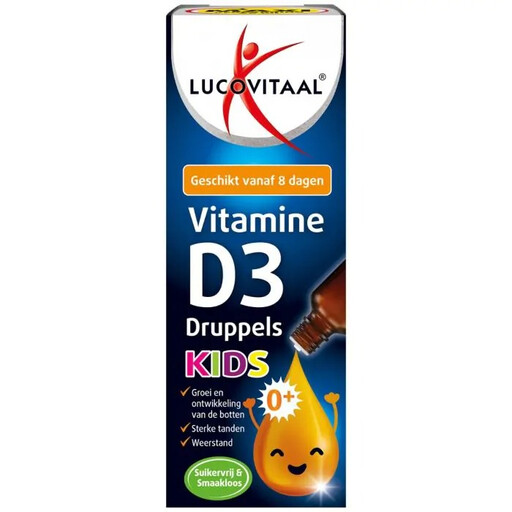
Why This Fits Their Persona: These drops are specially developed for the little ones (from 8 days old) and comply with the Health Council's advice. The neutral taste makes administration via a spoon or bottle-feeding simple.
Solves the 'form factor mistake'; no hassle with swallowing pills. The composition is pure (sunflower oil and vitamin D3), so no unnecessary additives.
Flexible dosage thanks to the dropper bottle. Contains only two ingredients, making it a pure choice.
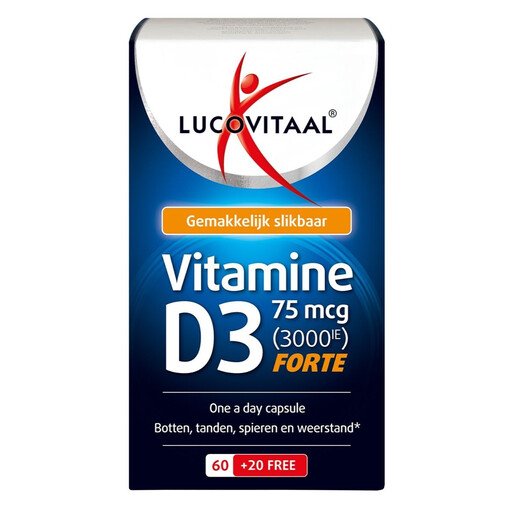
Why This Fits Their Persona: For the elderly, people with a darker skin tone, or anyone who needs a higher dose on medical advice, this product offers a clear and potent option. The softgel capsules are easy to take.
Avoids the dosage pitfall by offering a clear, high dose of 75 mcg. No confusion about its strength. The focus is purely on vitamin D3, without unnecessary extras.
High, relevant dosage in an easy-to-swallow capsule. One capsule per day is sufficient, which enhances user convenience.
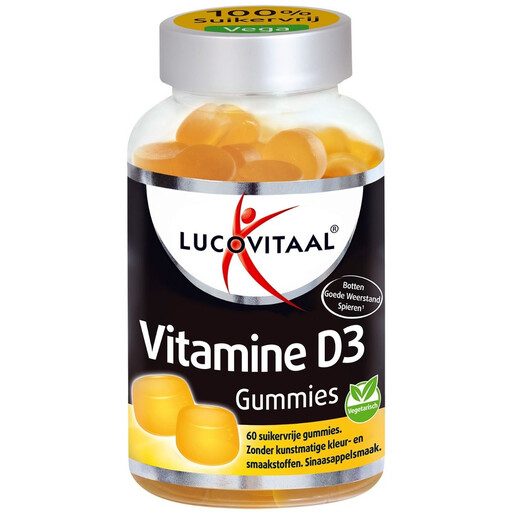
Why This Fits Their Persona: These orange-flavoured gummies make taking vitamin D much more pleasant. They are a great choice for adults and older children who dislike swallowing pills.
This is the solution to the 'form factor mistake'. The gummies are chewable and tasty. Moreover, they contain no artificial colours or flavours and are sweetened with natural sweeteners.
Contains a solid dosage of 25 mcg per gummy. The formula is vegan, making it suitable for a wider audience.
We have compiled a complete, up-to-date list of products that meet these selection criteria and the Dutch guidelines.
This depends on your age, skin tone, lifestyle, and the time of year. The Dutch Health Council advises 10 mcg per day for most adults and 20 mcg for those over 70. A supplement with 25 mcg of vitamin D3 is a common choice for general support. In case of a suspected vitamin D deficiency, it is advisable to consult your doctor for personalised advice.
In the Netherlands, from about September to April, the sun is not strong enough for the skin to produce sufficient vitamin D. For many people, supplementation during this period is beneficial. At-risk groups, such as the elderly or people who get little sun exposure, may benefit from taking it all year round.
Vitamin D drops are liquid and offer flexibility in dosage, making them ideal for children. Capsules contain a fixed, predetermined dosage and are convenient for adults who want to take a consistent amount without measuring. The choice is primarily a matter of personal convenience.
