
Vandaag of morgen in huis

Kwaliteit gegarandeerd

Welkomstaanbiedingen ontgrendelen: GRATIS bezorging | Tot 80% korting | Gratis 30 dagen JoyPlus-proefperiode
Download de app
The supplement aisle can be overwhelming, especially when you're looking for something as essential as vitamin D. Countless bottles make all sorts of promises, but how do you know which product is truly right for you? Many people choose based on packaging or a special offer, only to find out later they've bought a product with an impractical dosage, unnecessary additives, or in a form that doesn't suit their family.
As a Joybuy Product Recommendation Officer, I see the challenges consumers face every day. Let's look at the most common pitfalls when buying vitamin D so you can make an informed choice.
To avoid a bad purchase, it's helpful to pay attention to a few objective specifications. This helps you ignore the marketing jargon and focus on what really matters.
The amount of vitamin D is expressed in micrograms (mcg or ?g) or International Units (IU). The rule of thumb is simple: 1 mcg = 40 IU. Therefore, a 25 mcg supplement contains 1000 IU.
Official health authorities provide clear recommendations for specific groups. This is not medical advice, but a general public health guideline:
Has your doctor diagnosed a vitamin D deficiency? In that case, a higher dose may be temporarily necessary. Always follow your doctor's advice in such situations.
The choice of administration form is personal and depends on your preference and situation.
You will typically find two forms in supplements:
Based on these objective criteria, we have selected a number of products that suit different needs and lifestyles.
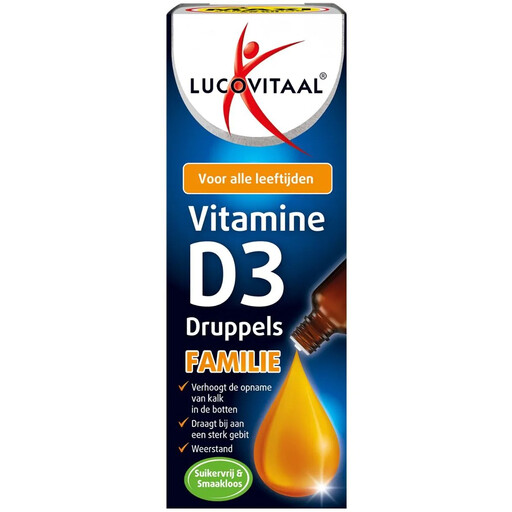
Why This Fits Their Persona: Ideal for families where different ages use a supplement. The drop form makes it easy to adjust the dosage, from 10 mcg for young children to a higher dose for adults.
You avoid the pitfall of the wrong form. No hassle with swallowing pills for children, and the sunflower oil base contains no unnecessary sugars or flavours.
Flexible dosage for different age groups. Contains only two ingredients: vitamin D3 and sunflower oil.
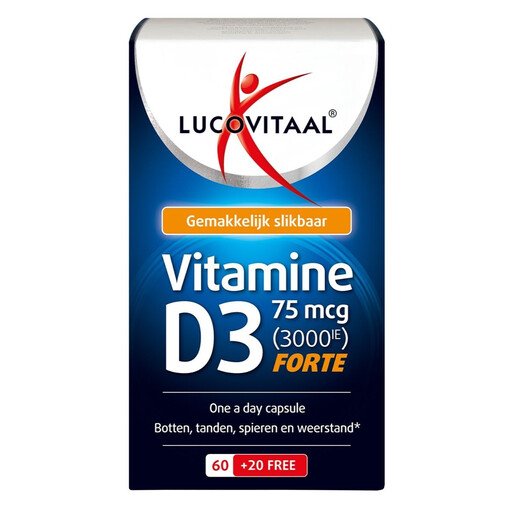
Why This Fits Their Persona: Suitable for adults who need a high dose of vitamin D, for example, on a doctor's recommendation. Also popular with athletes who want to support their muscle function and immune system.
This product is clear about its dosage (75 mcg / 3000 IU), allowing you to avoid the dosage maze. You know exactly what you're taking.
Potent dosage in one small, easy-to-swallow softgel capsule. The vitamin D3 is dissolved in oil, which enhances absorption.
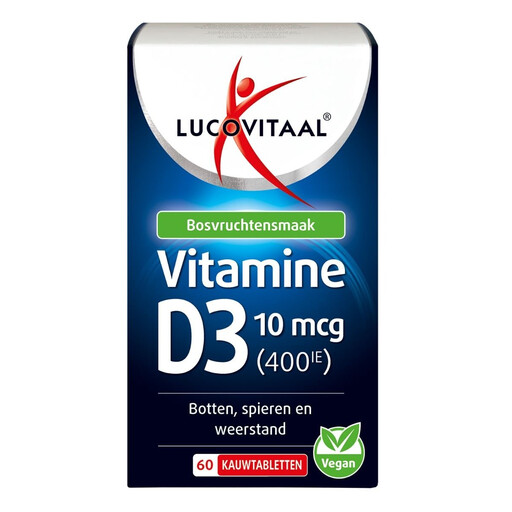
Why This Fits Their Persona: For those who follow a plant-based diet and want to be sure their supplement is free from animal-derived ingredients. The berry-flavoured chewable tablet is a pleasant bonus.
This product explicitly uses vegan vitamin D3, so you won't accidentally buy a product based on wool fat. The tablet is sugar-free, so you avoid hidden sugars.
100% plant-based vitamin D3. The 10 mcg dosage aligns with general advice from health authorities.
We have compiled a complete, up-to-date list of products that meet these selection criteria and comply with local regulations.
Vitamin D is a fat-soluble vitamin. This means the body absorbs it better when you take it with a meal that contains some fat. Many people, therefore, take it with breakfast or dinner. However, the most important thing is to take it consistently every day.
Symptoms of a vitamin D deficiency can be vague, such as fatigue or muscle pain. The only way to know for sure is through a blood test from your doctor. If you suspect you have a deficiency or belong to one of the risk groups, it is wise to discuss this with your doctor.
It is possible to get too much vitamin D, although this doesn't happen easily with the dosages sold in most countries. The European Food Safety Authority (EFSA) has established a tolerable upper intake level of 100 mcg per day for adults. It is not advisable to use a high-dose vitamin D long-term on your own without a doctor's advice. Stick to the recommended dosage on the packaging or the advice of your healthcare provider.
