
Vandaag of morgen in huis

Kwaliteit gegarandeerd

Welkomstaanbiedingen ontgrendelen: GRATIS bezorging | Tot 80% korting | Gratis 30 dagen JoyPlus-proefperiode
Download de app
Buying vegetables online might seem straightforward, but the range varies widely in composition, packaging and ease of use. A product with an appealing front can, for example, contain a lot of salt, list allergens you weren't expecting, or be less suitable for your household.
With these practical selection tips, you can check what's actually on the label. That way, you'll find suitable products for everyday meals, a plant-based diet, baby food, or a store cupboard that needs minimal upkeep.
The name "vegetable mix" could refer to loose frozen vegetables or a seasoned preparation with butter, cream or salt. For example, the Iglo Vegetable Idea Farm Mix consists of 93% vegetables, but also contains butter, sugar, salt and spices. That makes it quite different from a bag of unprocessed frozen vegetables.
So always check:
Vegetable stock, pickled vegetables and seasonings in particular can be relatively high in salt. Knorr Vegetable Broth, for instance, lists 50.4g of salt per 100g of product. This is a concentrated product that you dilute, but the amount per serving still matters.
Asian vegetables, such as pickled mustard greens, can also be high in salt. Green Deer King Snow Vegetable lists 12g of salt per 100g. Rinsing can reduce the salty taste, but if you're on a low-salt diet, always check the label and the portion.
A bulk pack is handy if you use the product regularly. However, a bag of frozen vegetables that sits untouched for months takes up freezer space and can lose quality once opened. With tinned vegetables, the shelf life after opening also matters.
So compare the price per 100g or per portion, not just the price of the pack.
The product form mainly determines convenience and storage space:
A short ingredients list makes comparison easier. According to the product information, g'woon Garden Peas Extra Fine contains only garden peas and lists none of the 14 major EU allergens. Iglo Chopped Spinach states "spinach 100%".
In contrast, S&B Japanese Brown Stew Mix contains wheat, soya and celery, among other things. According to the product description, the mix is suitable for vegetable, chicken or beef stews, but it is not automatically suitable for people avoiding these allergens.
Always read the current packaging before buying. Product information, recipes and allergens can change.
Compare products on the same basis. g'woon Garden Peas Extra Fine lists per 100g: 84 kcal, 5.5g protein and 5.5g fibre. Iglo Chopped Spinach lists 23 kcal, 2.8g fibre and 3.1g protein per 100g.
A stock powder may appear to contain a lot of salt per 100g, but it is used in small amounts. So look at both the per-100g table and the recommended dosage. With seasoned products, also check the fats, saturated fats and added sugars.
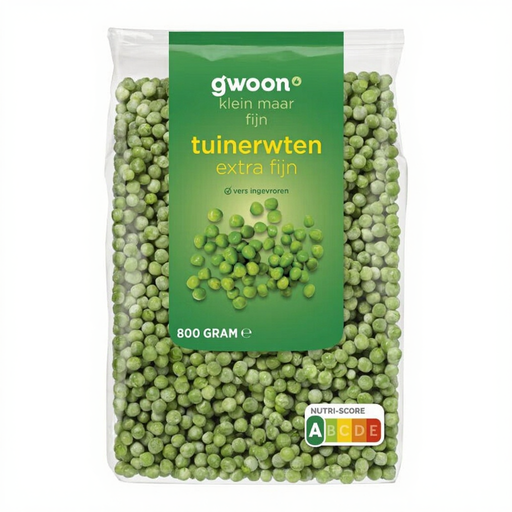
Why this fits the profile: A generous bag of frozen peas for soups, mash, pasta or a quick side dish.
The ingredients list states only garden peas. According to the product information, there are no added sugars and none of the 14 major EU allergens.
800g net weight, delivered frozen, and per 100g: 5.5g fibre and 5.5g protein according to the label.
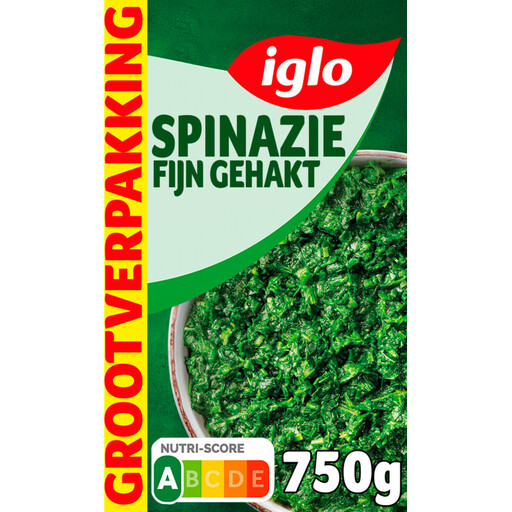
Why this fits the profile: Handy if you use spinach regularly but don't want to wash and portion fresh leaves.
The product information states 100% spinach, with no added artificial flavours or colourings. The product is divided into blocks.
750g frozen product, finely chopped and divided into portion blocks; per 100g: 23 kcal and 2.8g fibre according to the product information.
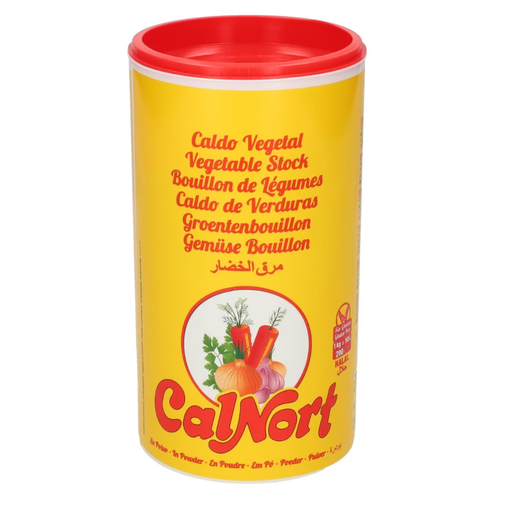
Why this fits the profile: For households that often make soups, sauces, rice dishes, stir-fries or stews.
The product description mentions a powder that dissolves directly in hot water. This means you don't automatically need to add extra salt or multiple seasonings.
1kg pack; according to the product information, it is vegetarian, gluten-free and free from the 14 major EU allergens.
We've put together a full, up-to-date list of products that fully meet these strict selection criteria and comply with current European safety regulations.
For a quick meal, HAK Extra Fine Peas and Carrots - 195g and the split pea variants are practical. The ingredients are straightforward; just check the storage instructions after opening.
If you make Japanese dishes, you can use S&B Japanese Brown Stew Mix - 160 g as a base for a vegetable stew. Watch out for wheat, soya and celery in the ingredients list.
For families with a baby, Ella's Kitchen BIO Pears Peas Broccoli 4M+ 120GR is an option worth considering. According to the product information, the purée contains organic pears, peas, broccoli and lemon juice concentrate. Check the suitable age, storage conditions and instructions on the packaging. "Organic baby food" does not replace personal dietary advice.
That depends on your cooking routine. Frozen vegetables are suitable if you cook regularly and want to store portions. Tinned vegetables are ready to use without defrosting and fit well in a store cupboard. Compare salt, ingredients, net weight and the storage time after opening.
Store frozen vegetables at the temperature stated on the packaging and keep them frozen until use. After defrosting, they should be kept refrigerated according to the product instructions and used within the stated period. Do not refreeze defrosted products.
No. Vegetable supplements, such as Swanson Greens Veggie4Life, are intended as a food supplement and are taken in tablet form according to the product information. They do not offer the same texture, cooking possibilities and variety as ordinary vegetables, pulses or a vegetable mix. Always follow the recommended dosage on the label.
