
Vandaag of morgen in huis

Kwaliteit gegarandeerd

Welkomstaanbiedingen ontgrendelen: GRATIS bezorging | Tot 80% korting | Gratis 30 dagen JoyPlus-proefperiode
Download de app
Buying vegetables online is convenient, but the range varies hugely in terms of ingredients, storage method and preparation. A bag of frozen vegetables isn't the same as a jar of tinned vegetables, and a ready-made vegetable mix can contain more salt or sauce than you might expect.
For British households, there are three main pitfalls to watch out for:
Frozen vegetables are practical if you don't want to shop every day. They need to be stored at the stated temperature, usually in a freezer at -18 °C or colder. Examples include broccoli, spinach and a vegetable mix. Check on delivery that the packaging is still properly frozen.
Tinned vegetables and pickled vegetables can be stored unopened in a cool, dry cupboard. Check the lid: do not use a jar if it is bulging or damaged. Once opened, many products need to be kept in the fridge.
Ready-to-eat vegetables are ideal for a quick lunch, side dish or meal on the go. With this category, pay particular attention to the salt content, the oil used and the allergens. "Ready to eat" doesn't automatically mean the product suits every diet.
The ingredients are listed in descending order of quantity. For example, with G'woon Broccoli Florets - 800g, the ingredients list is simple: broccoli. With G'woon Italian Vegetables - 450g, the mix includes courgette, green beans, broccoli, peppers, celery, onion and carrot, along with a herb and cream component.
In the nutritional information table, pay particular attention to:
A concrete example is YUNSHANBAN Snow Vegetable 464g: according to the product information, this product contains 4.45g of salt per 100g. Green Deer King Snow Vegetable 150g states 12g of salt per 100g. These are products with a distinctly salty flavour, intended as a side dish or seasoning, not as a neutral portion of vegetables.
For everyday meals, loose broccoli, spinach or a vegetable mix offer flexibility. For stir-fries and Asian recipes, bamboo shoots, kelp and Chinese vegetables are handy because they may already be sliced or pre-cooked.
If you often cook for one or two people, you'll benefit from portions that can be easily resealed. A bulk pack is most practical when you use the product regularly. Ready-to-use sachets are quicker, but once opened you must follow the instructions on the pack and consume the product immediately or keep it chilled.
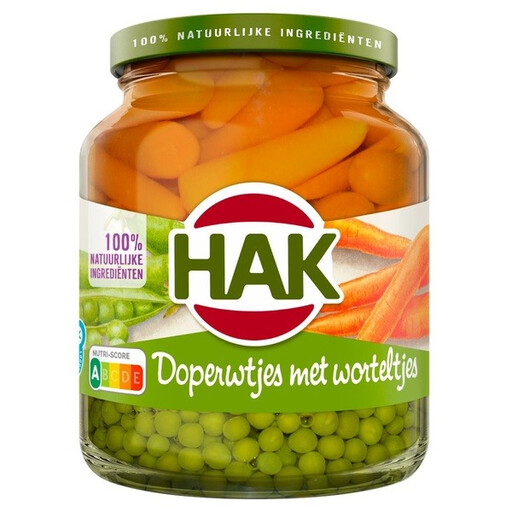
Why this suits the profile: This combination of peas and carrots is simple to serve as a side dish and requires very little preparation.
The ingredients list is straightforward: carrots, peas, water and sea salt. This makes it easy to see exactly what you're buying.
195g, made in the Netherlands according to the product information, with 0.31g of salt per 100g.
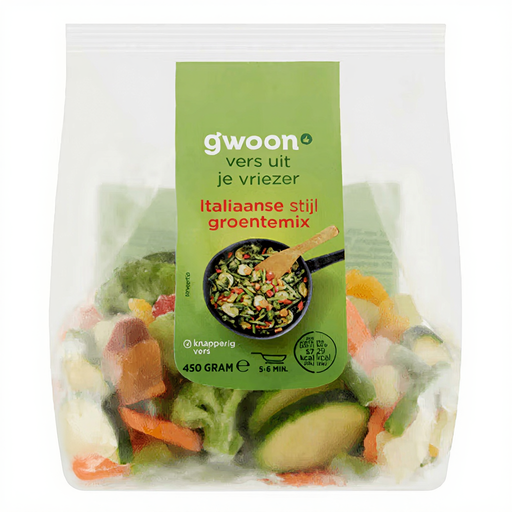
Why this suits the profile: The combination of several vegetables and herb cream is ideal for meals where flavour and convenience come together.
The product information clearly lists the vegetable types and the preparation steps: stir-fry without extra oil, then stir-fry for 4 to 5 minutes.
450g with courgette, broccoli, green beans, peppers, carrot and herb cream. The stated nutritional value is 0.51g of salt per 100g.
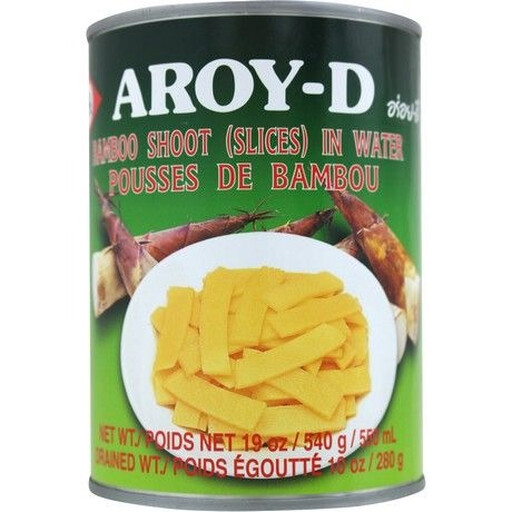
Why this suits the profile: Ideal for anyone who regularly makes stir-fries, curries, soups or vegetarian Asian recipes.
The bamboo shoots are sliced and, according to the product information, ready to use. So you don't need to prepare a fresh, hard-to-find variety.
540g, sliced bamboo shoots, with no stated allergens. Per 100g, the product states 15 kcal and 0g of salt.
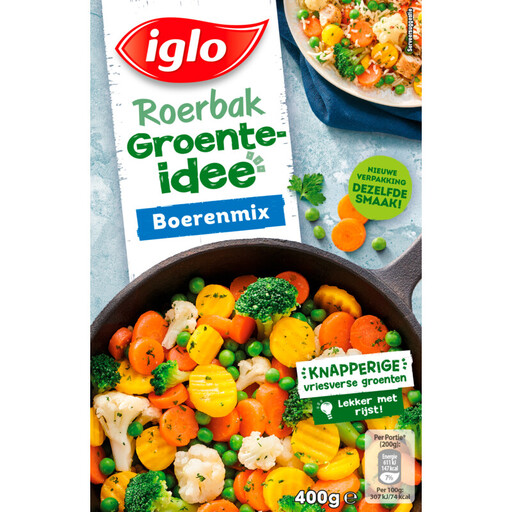
Why this suits the profile: The loose frozen vegetables can be divided into portions and combined with rice, noodles, potatoes or a stir-fry sauce.
The ingredients state 93% vegetables and the pack contains loose, blanched vegetables. This means you can decide the quantity per meal yourself.
400g, enough for two stated portions of 200g, with carrot, cauliflower, broccoli and peas. Contains milk according to the label.
We've put together a full, up-to-date list of products that fully meet these strict selection criteria and comply with current European safety regulations.
Frozen vegetables such as spinach, broccoli and a vegetable mix are practical when you want to stock up. For Asian dishes, bamboo shoots, kelp and other Chinese vegetables are suitable. Choose tinned or pickled vegetables when you don't have freezer space and want products that can be stored unopened for longer.
That depends on how you use them. Frozen vegetables are easy to portion and keep for a long time. Just check the storage temperature and prepare them according to the label. With a product that contains sauce or herbs, you should also check the full ingredients list and nutritional information, not just the vegetable type on the front.
Check the best before date, storage instructions, allergens and salt content. With products that contain oil, sauce or brine, the flavour can be stronger than with unprocessed vegetables. A product such as YuanXian Ready-to-Eat Cold Mixed Vegetables, for example, lists soya, sesame and peanuts as allergens and must be consumed immediately after opening. This way, you can avoid a purchase that doesn't suit your household or meal planning.
