
Vandaag of morgen in huis

Kwaliteit gegarandeerd

Welkomstaanbiedingen ontgrendelen: GRATIS bezorging | Tot 80% korting | Gratis 30 dagen JoyPlus-proefperiode
Download de app
Buying vegetables online is convenient, but the range varies greatly in packaging, preparation, shelf life and ingredients. A bag of frozen broccoli, a tin of bamboo shoots and a ready-made vegetable mix can't simply be compared like-for-like.
The most common buying mistakes are:
Frozen vegetables are handy if you cook regularly but don't want to buy fresh veg every week. Pay attention to the net weight, how easy they are to portion, and the cooking method. Products like green beans, broccoli, cauliflower, peas and spinach are often simple to add to everyday meals.
Always check with frozen products:
With tinned vegetables, the ingredients and the condition of the tin are important. A bulging lid, leakage, rust or serious damage are reasons not to use the product. Also look out for water, salt, sugar, acidity regulators and other added ingredients.
A product that contains just one vegetable is easy to assess. For example, g'woon Broccoli Florets consists of broccoli according to the product information. With mixed vegetable blends, however, butter, milk, celery, herbs, sugar or salt may have been added.
The Iglo Vegetable Idea Farm Mix contains, according to the ingredients list, carrot, cauliflower, broccoli and peas, but also butter and herbs. This makes it different from a bag of unprocessed broccoli or peas. So always check the allergen information, especially for milk, celery and soya.
An 800g pack suits families or people planning several meals. Smaller packs are more practical for occasional use or limited freezer space. For stir-fries and curries, pre-cut or pre-cooked products often save time.
When comparing, look at:
With Asian vegetables, such as bamboo shoots, baby corn and edamame, the intended use is at least as important as the weight. Bamboo shoots, for example, work well in curries, soups, salads and stir-fry vegetables. Edamame can be used in salads, noodle dishes or as part of a snack platter.
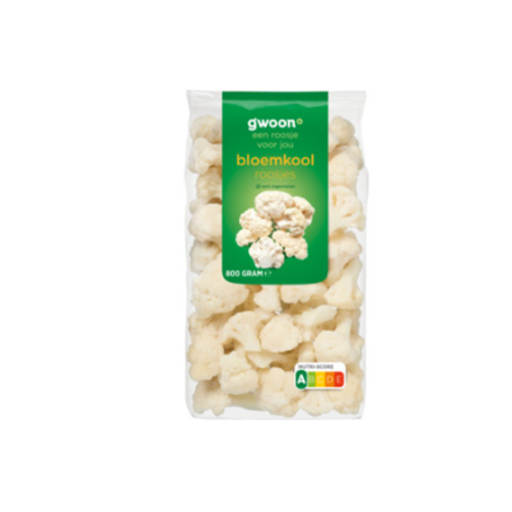
Why it fits the profile: A generous bag of frozen cauliflower is suitable for several meals, from mash to curry, without much chopping.
The product information states 800g, frozen storage and an ingredients list with cauliflower as the base. This makes the contents easy to assess.
800g; frozen florets; according to the product information, none of the 14 major EU allergens.
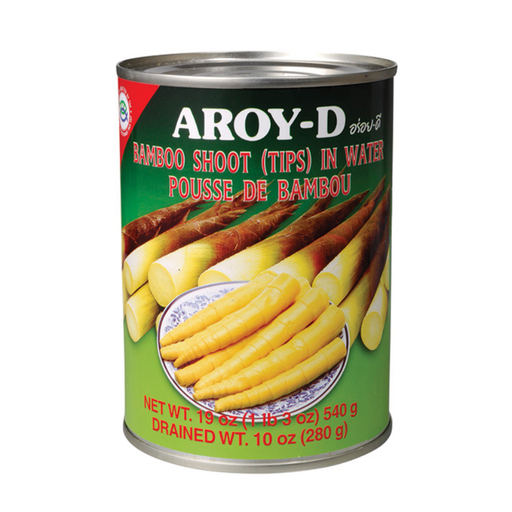
Why it fits the profile: Ideal for anyone who regularly cooks Asian dishes and wants a storecupboard of ready-to-use ingredients.
The bamboo shoots are already pre-cooked according to the product description. So you don't need to prepare a raw product extensively.
540g; tips format; suitable according to the product description for curries, stir-fries, soups and salads.
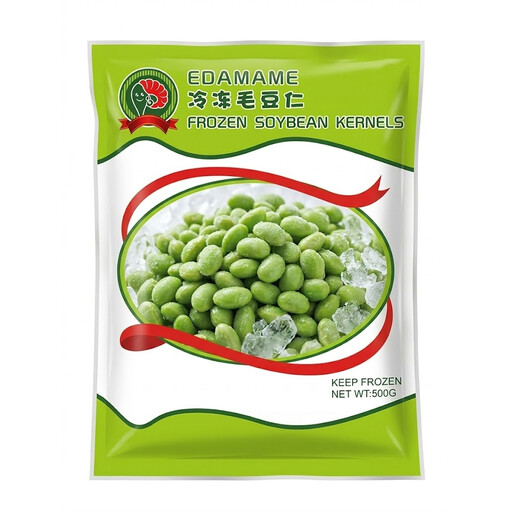
Why it fits the profile: A practical choice for anyone who often makes salads, soups, poke bowls or Asian meals.
The packaging states 500g and frozen storage. This lets you plan your usage and prevents an opened portion from going unused.
500g; frozen; according to the product information, suitable for salads, soups and as a snack.
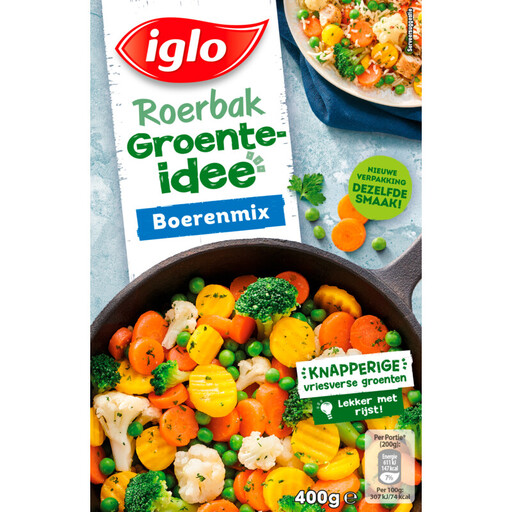
Why it fits the profile: A portionable mix for busy weekday meals with rice, noodles or potatoes.
The vegetables are individually frozen and the pack contains two 200g portions according to the product information. This makes the quantity easy to adjust.
400g; loose frozen vegetables; contains carrot, cauliflower, broccoli and peas according to the ingredients list; contains milk.
Store frozen vegetables in the freezer as soon as they arrive and follow the temperature on the packaging. Defrosted vegetables should be kept in the fridge according to the product label and must not be refrozen if this is explicitly advised against.
With tinned vegetables, check the packaging before use. Drain off any liquid if you want less salt or a drier texture in a stir-fry. Bamboo shoots, baby corn and tinned sweetcorn can usually be added straight to a hot dish, but always check the cooking instructions.
When using vegetables for stir-fries, make sure your pan is hot enough and don't add too many frozen vegetables at once. This stops too much liquid building up in the pan. With a ready-made mix that includes sauce, butter or herbs, you may not need extra oil or salt.
We've put together a full, up-to-date list of products that fully meet these strict selection criteria and current European safety regulations.
That depends on the product and how long it's been stored. Frozen vegetables are often frozen shortly after processing, but check the specific product information. In particular, look at the ingredients list, cooking method and nutritional values on the packaging. Any claim about vitamin retention should be traced back to the brand's information; according to a brand's own research, such a claim is not a general guarantee for every product or every preparation method.
Unopened tinned vegetables can generally be kept until the date stated, as long as you store them in a cool, dry place away from direct sunlight. The shelf-life information on the packaging is what you should follow. Do not use a tin if it is leaking, bulging, badly damaged or heavily rusted. Once opened, store the contents in the fridge according to the label and use them within the stated period.
Broccoli, green beans, cauliflower, edamame, bamboo shoots, baby corn, sweetcorn and vegetable mixes are all practical options. Combine crunchy tinned vegetables, such as bamboo shoots and baby corn, with frozen vegetables for a variety of textures. With a mixed blend, check for any milk, celery, soya, salt or added sauce.
