
Vandaag of morgen in huis

Kwaliteit gegarandeerd

Welkomstaanbiedingen ontgrendelen: GRATIS bezorging | Tot 80% korting | Gratis 30 dagen JoyPlus-proefperiode
Download de app
Buying a vacuum cleaner sounds straightforward—until you have to choose between a robot vacuum, stick vacuum, cordless vacuum, bagged model or wet-and-dry vacuum. Marketing often focuses on a high suction-power figure, smart features or extended battery life. However, these specifications do not tell the whole story about everyday performance.
When choosing, pay particular attention to these common pitfalls:
Manufacturers may list suction power in Pa or kPa. This is a technical indication, but values should only be compared within similar product categories. A robot vacuum rated at 4,000 Pa operates differently from a powerful stick vacuum rated at 27 kPa.
For hard floors, a soft brush or adjustable floorhead is practical. On carpets, the key consideration is whether the brush can reach deep into the fibres without quickly becoming clogged with hair. An anti-tangle brush can reduce maintenance in homes with cats or dogs, but also check whether the brush can be removed easily.
When evaluating a cordless vacuum cleaner, check:
A stick vacuum with a stated runtime of 45 to 65 minutes may be suitable for everyday cleaning, but the maximum power setting consumes considerably more energy. A cordless model with a removable battery is particularly useful in larger homes or properties with multiple floors.
For a corded model, cord length and operating range matter more than motor power alone. A compact vacuum with a long hose and automatic cord rewind may be more practical in an apartment than a heavy cordless model.
A vacuum cleaner with a HEPA filter can filter fine particles from the exhaust air. However, check whether the filter is washable, replaceable or can only be cleaned according to a specified maintenance schedule. A filter must be completely dry before being reinstalled.
Also consider:
A large container means fewer interruptions, but it also tends to make the appliance larger. For small spaces, a compact vacuum with a container of around 0.5 to 1 litre may be sufficient.
The choices below are based on the product specifications and features provided. Claims regarding suction power, filtration or hair prevention come from the respective brands’ product information and are not presented here as independently verified results.
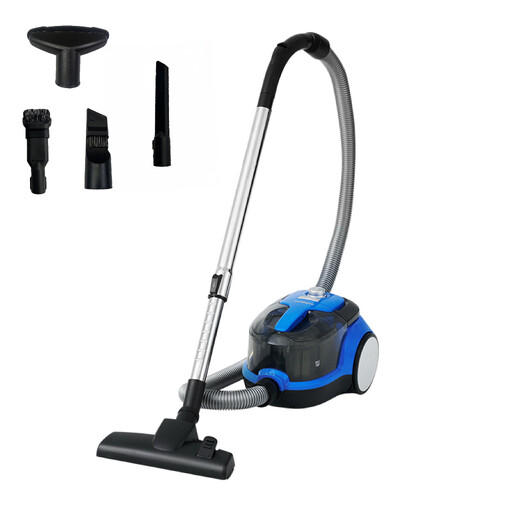
Why it’s a good fit: A practical choice for households that want consistent performance without having to manage a battery. The range of attachments is suitable for floors, carpets, furniture and crevices.
The corded design prevents battery life from becoming the limiting factor during longer cleaning sessions.
800 W motor, stated suction power of approximately 17.5 kPa, 1.1-litre dust container and washable filter.
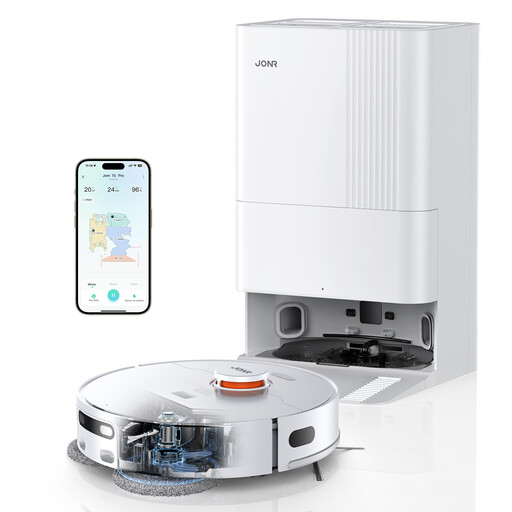
Why it’s a good fit: For anyone who wants to schedule daily cleaning through an app rather than operate the vacuum manually each time.
The product information lists LiDAR navigation, virtual no-go zones and a station with hot-air drying. Check the clearance required around the station before buying.
Stated suction power of 8,150 Pa, mopping function, anti-tangle side brush and app control.
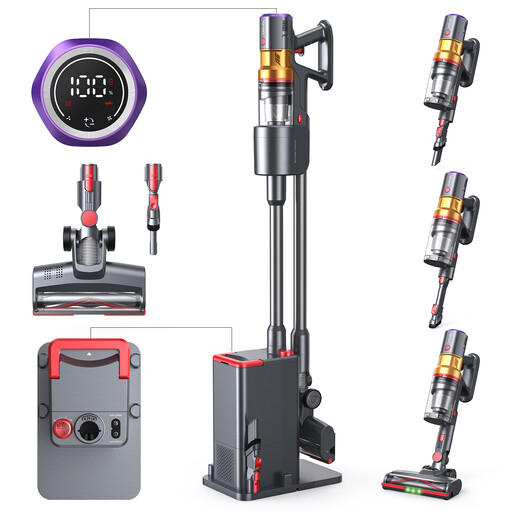
Why it’s a good fit: A cordless model for households with pets, carpets and hard floors that want to clean up quickly between regular sessions.
According to the product information, the V-shaped brush is designed to limit hair build-up. Even so, check the roller regularly.
Stated maximum suction power of 27 kPa, multi-stage HEPA filtration, self-emptying charging base and freestanding design.
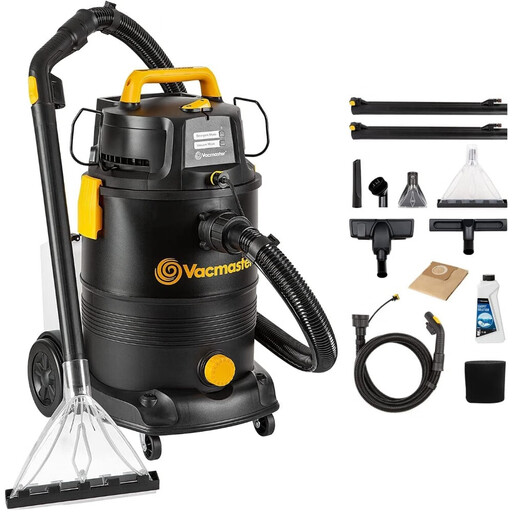
Why it’s a good fit: For larger cleaning jobs involving carpets, car interiors, sofas and chairs. This is a heavier appliance designed for targeted use.
The separate filters for dry and wet use make it clear that you need to select the correct configuration before starting.
1,300 W motor, 30-litre tank, separate 6-litre clean-water tank and HEPA exhaust filter for dry vacuuming.
Use this quick checklist:
For robot vacuums, also look out for cables, curtains, toys and small objects on the floor. On models that use water, the clean- and dirty-water tanks must be installed correctly. Do not use flammable liquids, and never vacuum hot ash, sharp metal objects or smouldering materials.
Explore a current selection of vacuum cleaners for different floor types, household sizes and cleaning tasks. Compare features and product specifications before making your choice.
That depends on your home. A robot vacuum is convenient for regular maintenance, but stairs, upholstery, corners and hard-to-reach areas often require a stick vacuum or traditional vacuum cleaner.
Its lifespan depends on usage, charging habits, filter maintenance and whether the battery can be replaced. Before buying, check whether a spare battery is available and follow the manufacturer’s maintenance instructions.
A corded model consumes electricity for as long as the motor is running. With a cordless vacuum, the selected power setting has the greatest impact on consumption. Where possible, use a lower setting for light dirt and reserve maximum power for carpets or stubborn debris.
