
Vandaag of morgen in huis

Kwaliteit gegarandeerd

Welkomstaanbiedingen ontgrendelen: GRATIS bezorging | Tot 80% korting | Gratis 30 dagen JoyPlus-proefperiode
Download de app
Buying trousers seems straightforward until you have to choose between dozens of fits, materials and technical claims. A pair of trousers may look roomy in the photo but feel tight around the hips in reality. Terms such as “water-repellent”, “stretch” and “sustainable” are also not always used consistently.
With this practical buying guide, you can compare men’s trousers, women’s trousers, outdoor styles and casual trousers based on features you can check in advance.
Sizes vary by brand, model and country. For example, a US size 32 may correspond to an EU size 46, but the actual waist measurement can still vary depending on the fit. So don’t just look at S, M, L or XL. Also check:
A loose-fitting climbing or outdoor pair of trousers should allow plenty of movement. For women’s denim cargo trousers, a straight leg may be more practical for everyday wear.
Words such as waterproof, breathable and hard-wearing only have real value when it is clear what the claim is based on. Check whether the product information mentions:
For example, the product description for The North Face men’s ski and snowboard trousers mentions DryVent material, taped seams and a DWR finish. These are product specifications from the information provided; actual performance also depends on use, wear and maintenance.
Cotton jogging bottoms feel comfortable at home, while travelling or for relaxed outdoor wear, but they are not automatically suitable for rain or intense exercise. Denim is versatile, but usually offers less freedom of movement than trousers containing elastane. Waterproof trousers are useful in wet weather, but may feel warmer or less flexible than lightweight everyday trousers.
So decide how you plan to use the trousers first, and only then choose the colour or brand.
For everyday wear, cotton and denim are sensible choices. A small amount of elastane can make sitting, cycling and walking more comfortable. For men’s outdoor trousers, details such as a gusseted crotch, articulated knees and stretch fabric tell you more than the word “comfort” alone.
According to the product description, The North Face NF0A8B62 is made from 97% regenerative cotton and 3% elastane. The model also features a gusseted crotch, articulated knees and an adjustable elasticated waistband. This design is intended to support freedom of movement, including when bouldering and technical climbing.
A water-repellent finish is not the same as long-lasting waterproofing. Pay attention to the difference:
According to the product description for The North Face NF0A8DTJ, these men’s ski and snowboard trousers feature taped DryVent material, an internal snow gaiter and ventilation zips on the inside legs. Always check the washing instructions before buying, as incorrect washing or drying can affect the finish.
Pockets are useful in trousers worn while commuting, travelling or spending time outdoors. Look at the type of fastening, depth and positioning. An open side pocket is convenient for quick access, while a cargo pocket with a flap or hook-and-loop fastening may keep your belongings more secure.
An adjustable waistband can be more comfortable than relying solely on a belt. On technical trousers, a gear loop, reinforced knees or a zip at the ankle may also be useful features.

Why it suits this profile: Simple cotton jogging bottoms for relaxing at home, travelling and everyday wear. The elasticated waistband makes them an easy choice when you don’t want a stiff waistband.
The product information clearly states that these trousers are made from 100% cotton and have deep pockets and an elasticated waistband. So don’t expect technical rain protection or stretch fabric.
100% cotton main fabric, deep pockets and an elasticated waistband.

Why it suits this profile: Designed for men who want one pair of trousers for climbing, bouldering and casual outdoor activities. The loose fit is well suited to active movement.
The product description highlights specific movement features: 3% elastane, a gusseted crotch and articulated knees. The model is not described as waterproof trousers.
97% cotton and 3% elastane, adjustable waistband with integrated belt, gear loop and multiple pockets.
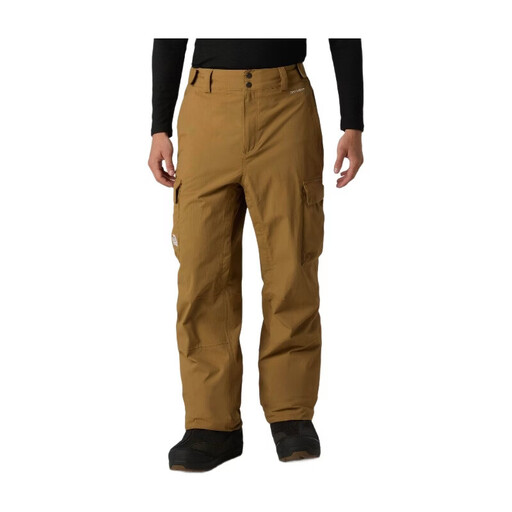
Why it suits this profile: Intended for winter sports enthusiasts looking for trousers for skiing and snowboarding, with room for layers underneath and extra features for use on the slopes.
According to the product description, these trousers have taped seams, ventilation zips, a snow gaiter and an adjustable waistband. Be sure to check the care instructions to preserve the finish.
100% nylon, DryVent material according to the product description, snow gaiter and inside-leg ventilation.
Measure your waist where you normally wear your trousers and compare the measurement with the size guide for the specific product. To measure the inside leg, start at the crotch and measure down to the desired hem. For ski and snowboard trousers, allow for thermal underwear or an extra layer.
Also pay attention to the product variant. The same trousers may be listed separately in S, M, L or XL. So check that the selected size actually corresponds to the product page. For women’s trousers, such as light-blue cargo trousers with a straight leg, hip measurement and rise are also important for the fit.
We’ve put together a complete, up-to-date list of products that fully meet these strict selection criteria and the applicable European safety regulations.
Choose cotton, denim or a blended fabric if you are mainly looking for comfort and versatility. Check the waistband, pockets and fit. For cycling, walking or frequent movement, stretch fabric, a gusseted crotch and articulated knees are useful specifications.
Their lifespan depends on the material, how often they are worn, friction and care. Wash them according to the label, fasten zips and buttons before washing and avoid the tumble dryer when it is not recommended. Technical trousers may lose their water-repellent performance if the coating is treated incorrectly.
No. First compare the features with how you plan to use them. For relaxing at home and travelling, cotton jogging bottoms may be all you need. For climbing, freedom-of-movement features are more relevant. For winter sports, construction, ventilation, snow protection and room for layers matter more than the brand or price alone.
