
Vandaag of morgen in huis

Kwaliteit gegarandeerd

Welkomstaanbiedingen ontgrendelen: GRATIS bezorging | Tot 80% korting | Gratis 30 dagen JoyPlus-proefperiode
Download de app
Are you looking to buy tropical fruit drinks, but finding it hard to see the difference between all those colourful packs? An exotic drink can be a fruity thirst-quencher at home, for a party or in the hospitality trade. Yet a picture of mango, coconut or lychee doesn't automatically tell you how much fruit, sugar or drink you're actually getting.
Pay particular attention to these three common pitfalls:
First, look at the order of the ingredients. What's listed first is usually present in the largest amount. With the MAAZA Guava Drink 6x1000ml, the product information shows the drink is made from water, 17% guava juice from concentrate, sugar, and includes pectin, citric acid and flavouring.
The single MAAZA Guava Drink 1000ml states 18% guava purée and 1% lemon juice from concentrate. At first glance that looks similar, but the composition and nutritional values differ. So compare the exact pack and product variant, not just the fruit flavour.
The difference is just as big with coconut water. Grace 100% Coconut Water – 6 x 1 L lists coconut water as the ingredient and no added sugar. DOUBLE PANDA 100% Natural Coconut Water 12x1L contains coconut water and cane sugar according to the product information. The name alone doesn't tell the full story.
Use the nutritional value per 100 ml to compare products fairly. A drink with 11 grams of sugar per 100 ml contains around 27.5 grams of sugar in a 250 ml glass, before you even pour a second one. The exact amount depends on the glass size.
Examples from the range:
If you're specifically looking for a fruit drink with no added sugar, you need to distinguish between “no added sugar”, “0% sugar” and a product that naturally contains sugars from fruit. A sugar-free fruit drink may also contain sweeteners. That's not a problem in itself, but it's a choice you should make consciously.
A pack of 250 to 375 ml is handy for on the go, lunchboxes or portions at an event. A 1-litre bottle is better suited to families and shared use. For hospitality, offices and catering, bulk fruit drinks such as 6x1 litre or 12x1 litre are practical, provided the turnover is high enough.
Always check the label after opening. Many fruit drinks need to be kept refrigerated and consumed within the stated period. Shake products containing purée or fruit pulp before use if the pack says so. Store unopened drinks according to the instructions, usually in a cool, dry place away from direct sunlight.
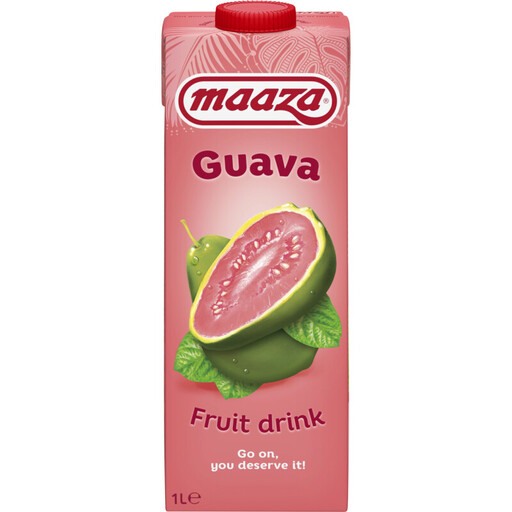
Why this fits the profile: The single-litre pack lets you try a flavour without committing to a multi-pack straight away. The drink can be served chilled and is suitable for sharing.
The product information states 18% guava purée and 11.2 grams of sugar per 100 ml. This means you can assess the composition upfront rather than relying solely on the fruit flavour.
1 litre content; 18% guava purée; according to the product information, none of the 14 main EU allergens.

Why this fits the profile: The 330 ml portion pack is ideal for serving chilled, taking on the go, and spreading a supply across multiple occasions.
The product description states 100% coconut water, 2% coconut pieces and no added sugar. Always check the label on the variant you receive.
12 cans of 330 ml; coconut pieces; according to the product information, vegan and gluten-free.
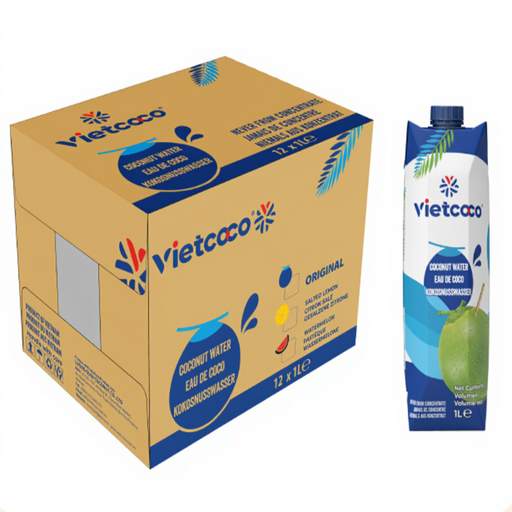
Why this fits the profile: The 12-litre supply suits offices, hospitality, catering and large households that use coconut water regularly.
The product information states 99% coconut water and less than 1% fructose. That offers more clarity than a generic tropical claim on the front.
12 cartons of 1 litre; 99% coconut water according to the product information; suitable for stocking up.
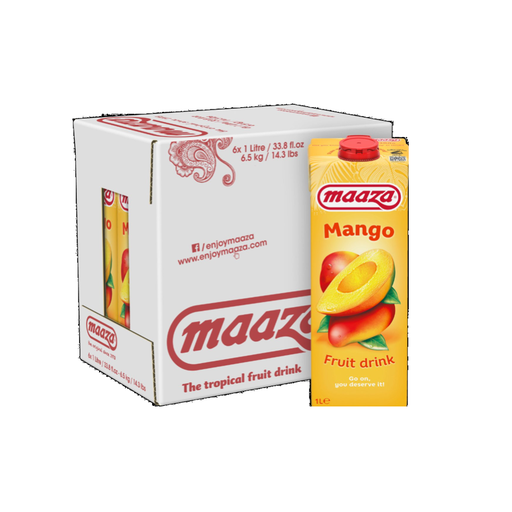
Why this fits the profile: Six litre packs are practical when mango is a regular flavour in the household and the drink is shared among several people.
The product information mentions 17% mango purée and 10.8 grams of sugar per 100 ml. This lets you compare the tropical flavour against guava, coconut water or a sugar-free option.
6 bottles of 1 litre; 17% mango purée; serving suggestion: chilled.
We've put together a full, up-to-date list of products that fully meet these strict selection criteria and comply with current European safety regulations.
Alongside coconut water, guava drink and mango drink, there are several Asian drinks and tropical varieties:
Coconut water comes from coconuts and can be sold as a single ingredient, like Grace 100% Coconut Water. A fruit drink may contain water, sugar, flavourings, acids and stabilisers in addition to fruit or purée. So always check the ingredients list.
This varies by product. Store opened drinks in the fridge and follow the time stated on the label. Some products need to be used within two days; others state a shorter or longer period. Seal the pack tightly after each use.
That depends on the price per litre, any delivery costs and how much you actually use. Divide the total price by the total number of litres. For hospitality, offices and catering, a bulk pack can be practical, while individual cans are handier for portion control and on the go.
