
Vandaag of morgen in huis

Kwaliteit gegarandeerd

Welkomstaanbiedingen ontgrendelen: GRATIS bezorging | Tot 80% korting | Gratis 30 dagen JoyPlus-proefperiode
Download de app
Buying trainers seems simple until you have to choose between women’s trainers, men’s trainers, comfortable trainers, black trainers and sports shoes for different activities. A pair that feels comfortable on a short walk is not automatically suitable for running or intense training.
Marketing copy can make the choice even harder. Terms such as “lightweight”, “extra comfort” and “durable” only mean something when you link them to verifiable product information. This guide helps you compare models by intended use, materials, fit and care, so you are less likely to spend money on trainers that do not suit your daily routine.
Casual trainers, such as the Vans Authentic, are described in the product information as being intended for everyday use, walking, work and leisure. That does not automatically make them suitable as running shoes. For running, you should consider cushioning, stability, grip and a construction designed for repeated movement.
Use a lifestyle model for the purpose stated in its description. For training, trainers designed for training are the more logical choice; if you run regularly, look for running shoes with features suited to your needs.
Black trainers go with many outfits, but their colour tells you nothing about the fit or sole. A well-known brand name is no substitute for checking the size chart. Always look at:
Also look out for differences between variants. For example, a product title may show a different size from the size information on the product page. Always check the current specifications before ordering.
A soft insole may feel comfortable, but comfort varies from one foot to another and depends on how and when you wear the shoes. A model with Memory Foam, such as certain Skechers trainers, may offer extra cushioning according to the product description. That does not mean the same fit will suit every wearer.
Look at the shape of the toe box, the width, the fastening and whether the laces can be adjusted precisely. If you spend a long time standing or walking, a stable fit may be more valuable than a soft insole alone.
Start by asking yourself what you will use the shoes for most often. For the office, shopping and city walks, casual trainers or black trainers are practical choices. For fitness and light training, trainers with a rubber outsole and secure lace fastening are a more suitable category.
For running, features such as a lightweight upper, grip and cushioning are important. The Adidas Adizero Boston 13 W is described in the product information as featuring a technical mesh upper, Lightstrike Pro midsole, Energy Rods and Continental rubber on the outsole. According to adidas product information, these components are designed for running training and races. Treat such brand descriptions as product specifications, not as a guarantee that every runner will have the same experience.
Textile and mesh can feel more breathable, while synthetic leather or leather offers a different look and requires a different cleaning method. Check whether a model should be cleaned with a damp cloth or, according to the product information, can be washed on a delicate cycle.
Many models are not machine washable. Direct heat can damage the materials and adhesive. Allow your trainers to air-dry instead, and follow the care label or the instructions on the product page.
Measure your feet at the end of the day, preferably while wearing the socks you normally use. Record the length of your longer foot in centimetres and compare it with the size chart for the specific model. Sizes are not always identical across brands or collections.
Examples from the selection:
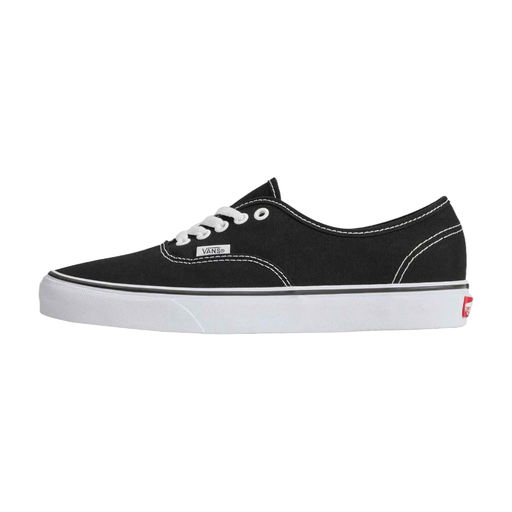
Why it suits this profile: A simple black model for everyday use, work, walking and casual outfits. Its textile construction and rubber sole make it a straightforward choice for an everyday wardrobe.
The product information positions this model for everyday use. That makes it clearer what you are and are not buying it for: it is not a specialised running shoe.
Textile upper, rubber sole and black colour. Available in multiple sizes, including EU 38.5.
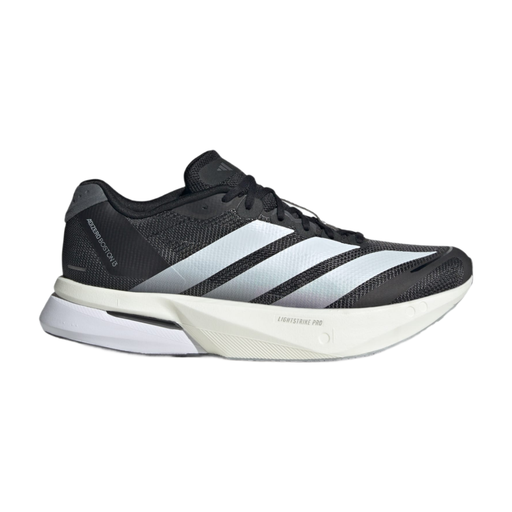
Why it suits this profile: Designed for users who look for specific features in running shoes, such as construction, cushioning, grip and a secure, close-fitting lace fastening.
The product page lists specific components such as mesh, Lightstrike Pro, Energy Rods and Continental rubber. According to adidas’ own product information, these are intended for running; check that the fit suits your running style.
Technical mesh upper, Lightstrike Pro midsole and a size chart showing foot length in centimetres.
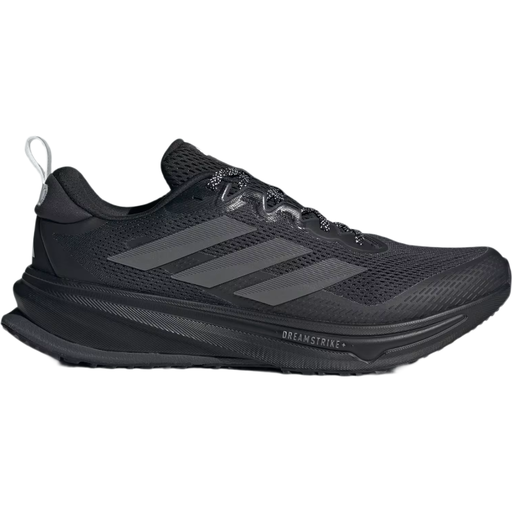
Why it suits this profile: An option for users looking for a sporty model for different activities who value an adjustable fastening and a padded insole.
The ATR designation and product description provide a clearer usage framework than simply calling it “sporty”. However, check the surface and activity you intend to use the model for.
Synthetic and textile upper, textile lining, synthetic-rubber outsole and adjustable lace fastening.
We have put together a complete, up-to-date list of products that fully meet these strict selection criteria and the applicable European safety regulations.
Measure both feet in centimetres and use the size chart for the model you have chosen. Use the measurement of your longer foot as your guide. Also check the fit: some models are a standard fit, while others may be generous or narrow.
Their lifespan depends on distance walked or run, the surface, body weight, care and materials. Replace your trainers when the sole shows visible uneven wear, the heel no longer provides support or the upper becomes damaged. With running shoes, the number of kilometres run also plays a part, but there is no universal limit that applies to every user.
You can, but it depends on the model. Training shoes and running shoes are designed around specific movements and may be less practical for everyday use. Casual trainers are usually the more logical choice for work, shopping and city walks. Before ordering, compare the stated intended use with your daily activities.
