
Vandaag of morgen in huis

Kwaliteit gegarandeerd

Welkomstaanbiedingen ontgrendelen: GRATIS bezorging | Tot 80% korting | Gratis 30 dagen JoyPlus-proefperiode
Download de app
Buying trainers seems simple until you have to choose between men’s trainers, women’s trainers, children’s trainers, casual trainers and running shoes. A model may look appealing but still be less suitable for long walks, school or running. The right choice therefore starts not with colour or brand, but with intended use, fit and materials.
Not every trainer with a thick sole is suitable for running. Casual models are generally designed for everyday use, while running shoes take cushioning, flexibility, ventilation and grip into account. A lifestyle model may be perfectly suitable for walking or commuting, but that does not automatically make it suitable for regular running training.
A size 42 is not the same across every brand. The shape of the last, the width of the forefoot and the thickness of the lining all affect the fit. Always check the size chart and, where available, the foot length in centimetres. This is especially important when ordering online and when choosing models from Adidas, Skechers, Puma, Lacoste or Nike.
Terms such as “lightweight”, “comfortable” or “supportive” only tell you something when it is clear what they are based on. Instead, look for verifiable details such as upper material, sole material, fastening, insole and stated use case. According to adidas’s own product information, for example, the Runfalcon 5 models feature a Cloudfoam midsole and mesh upper. On paper, that makes them different from a canvas casual trainer, but it does not determine how comfortable the shoe will feel for every individual.
Measure both feet at the end of the day while wearing the socks you normally use. Take the measurement of the longer foot. For everyday use, allow a small amount of room for your toes to move, without your heel lifting as you walk.
Pay attention to these points:
A wider toe box can be relevant for long walks or running. According to the product description of the LI-NING Yueying 6, this model has a roomy toe area. That is a product specification, not a guarantee that the shoe will fit every foot.
The upper affects ventilation, care and appearance. Textile or mesh can feel more breathable, while synthetic leather or leather creates a more enclosed, sturdy look. Canvas, as used on certain Converse trainers, works well with casual outfits but requires extra care when it comes to moisture and dirt.
Examples from the range:
White trainers look versatile but show dirt more quickly. Black trainers are generally more practical for everyday use, while white with pastel accents or blue can add more colour to an outfit.
Look at how the sole is constructed and match it to your activity. A rubber outsole can provide grip and durability, but the level of cushioning and flexibility varies from one model to another.
According to adidas’s own product information, the Runfalcon 5 is intended for road running and distances of up to 10 kilometres. Treat this as a product specification for its intended use, not as a medical or performance promise.
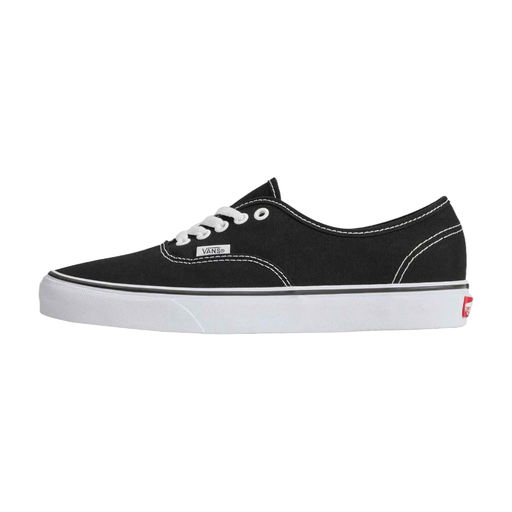
Why it suits this profile: A simple black model for everyday use, walking, work or casual outfits.
The material construction is clearly stated: textile on the upper and inside, with a rubber sole. This means you know what you are buying instead of relying on style alone.
Black colour, textile construction and rubber sole; suitable for a versatile casual wardrobe.
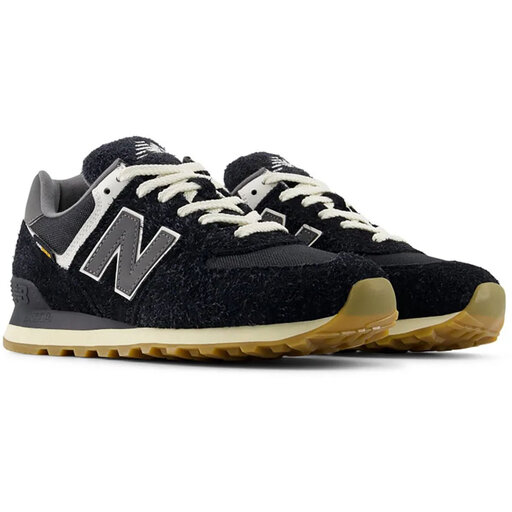
Why it suits this profile: For anyone who wants to combine a retro look with materials suitable for everyday use.
The combination of suede and mesh is clearly described. This makes it easier to judge whether the shoe suits your expectations for care and when you plan to wear it.
Retro 574 profile, suede and mesh upper, and rubber outsole with grip according to the product description.
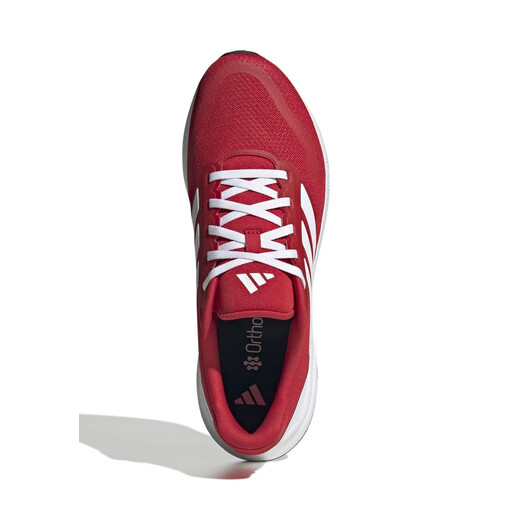
Why it suits this profile: Aimed at shoppers looking for a sports shoe for road running and short distances.
The product information specifically links this model to road running and distances of 0–10 km. That is clearer than a general “sporty” description.
Mesh upper, Cloudfoam midsole, Ortholite insole and Adiwear outsole according to the product specifications.
We have compiled a complete, up-to-date list of products that fully meet these strict selection criteria and the applicable European safety regulations.
The lifespan of trainers depends on how they are used, the surface, body weight, weather conditions and care. Do not automatically continue wearing running shoes as casual trainers when the sole shows visible uneven wear. Regularly check the heel, toe, seams and tread.
For care:
Other models may also be worth considering: Skechers trainers with memory foam, Puma trainers with SOFTFOAM+, Lacoste trainers for a smart casual look, white trainers for lighter outfits, or children’s trainers with hook-and-loop fastenings for school and play.
Choose a model with a suitable fit, sufficient flexibility and a rubber outsole. For longer walks, ventilation and a comfortable insole are important. A casual trainer may be suitable for this, but always check the specifications and fit.
Measure your foot in centimetres and compare it with the size chart for the specific model. Also check the stated fit, such as regular or wide. Do not rely solely on your usual EU size, especially if you are between sizes.
There is no fixed lifespan. A pair used every day wears differently from running shoes used several times a week. Replace your trainers when the sole no longer provides reliable grip, the cushioning has clearly compressed or the shoe loses its shape and support.
