
Vandaag of morgen in huis

Kwaliteit gegarandeerd

Welkomstaanbiedingen ontgrendelen: GRATIS bezorging | Tot 80% korting | Gratis 30 dagen JoyPlus-proefperiode
Download de app
Buying trainers and sports shoes online may seem straightforward, but an appealing product photo doesn’t tell you everything. A sole can look sturdy yet offer little grip. A style with “extra cushioning” may feel comfortable, but still not suit your foot shape or activity. A low price also says little about how long a pair will last if the materials, fit and care instructions aren’t clear.
That’s why Joybuy Product Recommendation Officer filters out the most important information from product descriptions. This helps you compare men’s trainers, women’s shoes, children’s trainers and sports shoes based on verifiable features rather than marketing claims.
Casual trainers are suitable for everyday wear, but aren’t automatically right for running or trail running. Running shoes usually have a cushioned midsole and an outsole suited to tarmac. Trail running shoes and walking shoes are more focused on grip, stability and protection on loose terrain.
If you wear a trainer with a fairly smooth sole on muddy woodland paths, you may find the grip disappointing. On the other hand, a deep tread can feel unnecessarily heavy or stiff for your commute.
A size 42 won’t have the same internal length or width across every brand. So check:
For children’s shoes, growing room is especially important. Shoes that are too small can quickly become uncomfortable, while a pair that’s far too roomy may not provide enough support during play.
A breathable mesh upper generally lets heat and moisture escape more easily than dense synthetic material, but it doesn’t automatically protect you from rain. Some Salomon models are listed in their product descriptions as having a GORE-TEX membrane as a waterproof layer; always check the specific model and care instructions.
Memory foam doesn’t mean that every foot will feel equally supported, either. The material can help create a soft feel underfoot, but fit, sole construction and width still matter. For example, some Skechers trainers have a fixed Memory Foam insole, which can’t always be replaced.
Measure both feet at the end of the day, when they often take up slightly more room. Use the longer foot as your guide and compare the measurement with the product’s size chart. Don’t just look at the EU size; check the stated fit too.
A narrow fit may make more sense for narrower feet. A regular fit may offer more room for standard or wider feet. A style described as “true to size” is a guide, not a guarantee that it will suit every foot.
The midsole has a big influence on how a shoe feels as you walk. EVA foam is often used because it’s lightweight and springy. According to the product information, the PELLIOT Running Shoes have an elastic EVA midsole with cushioning and rebound.
A flexible sole can feel comfortable for everyday walking. For running on tarmac, also look at stability and the transition from heel to forefoot. For longer walks, a combination of cushioning, a good fit and a construction that isn’t too heavy is practical.
Check the outsole’s tread and material. Rubber generally offers durability and grip, but the tread determines how suitable the shoe is for wet paving, gravel, woodland paths or mud.
Names such as Contagrip or ROCKYTEC refer to brand-specific sole technologies. Base your choice on the stated intended use and materials, not just the technology name.
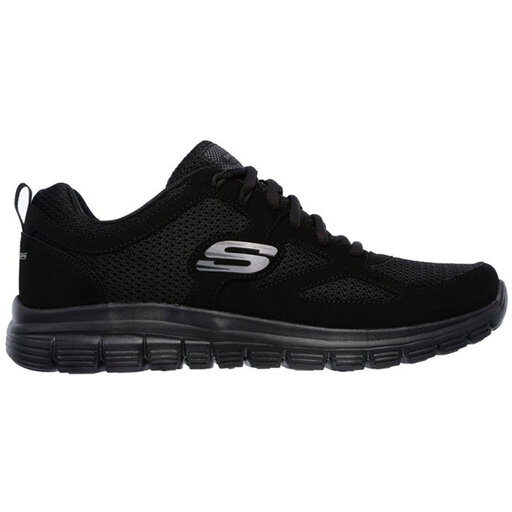
Why it suits this profile: This style is designed for everyday wear and combines a regular fit with a mesh upper, lace fastening and rubber sole.
The product details clearly state the size, fit and materials. That means you don’t have to rely solely on the photo or the word “comfort”.
Textile Memory Foam insole, mesh inserts for ventilation, and a lightweight, flexible rubber sole.
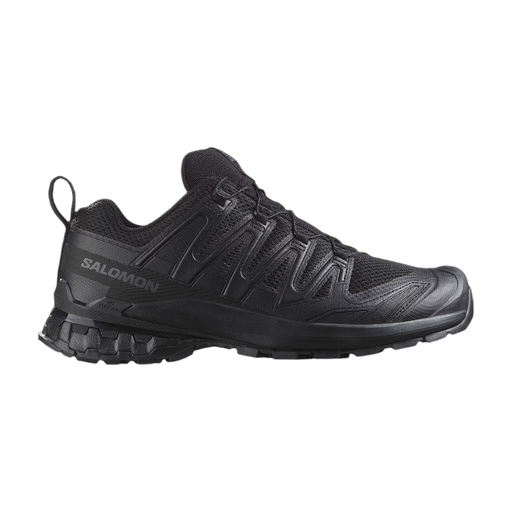
Why it suits this profile: A good choice if you walk regularly, are looking for trail running shoes or tackle technical terrain.
The specifications make it clear that this isn’t an ordinary casual trainer: it has a GORE-TEX membrane, 3D Advanced Chassis and a Contagrip outsole.
Waterproof layer according to the product description, Quicklace fastening and a treaded sole for wet and dry terrain.

Why it suits this profile: This unisex style is designed for running and routes that take you from tarmac to off-road terrain.
The product information lists its suitability for different surfaces, the foot length for each size and the choice of a regular or narrow fit.
Lightweight mesh and woven upper, EVA midsole and ROCKYTEC rubber outsole, according to the product description.
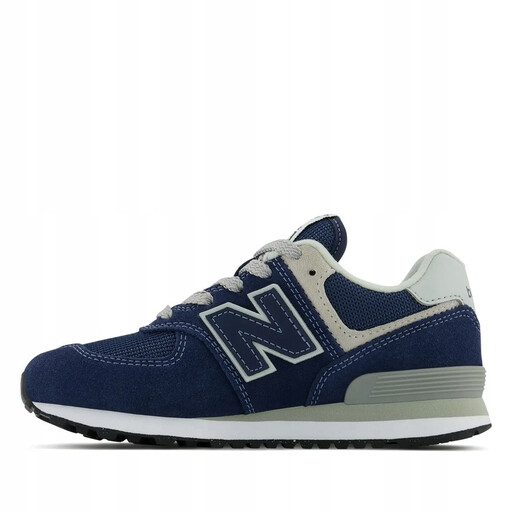
Why it suits this profile: The hook-and-loop fastening makes this style practical for school and play, and for children who put their own shoes on.
The size, fastening and materials are all listed. This helps you look beyond colour or brand name alone.
Suede, synthetic material and mesh; a lightweight EVA midsole and rubber treaded outsole.
We’ve put together a complete, up-to-date list of products that meet these strict selection criteria and the current European safety regulations.
Measure your foot in millimetres and compare the measurement with the size chart on the product page. Check the width and fit too. For children’s shoes, it’s a good idea to measure regularly, as their size can change quickly.
That depends on how you use them, the surface, your body weight, the materials and how well you care for them. Look out for worn tread, tears in the upper and a midsole that has compressed or become misshapen. Sports shoes used only indoors may wear differently from shoes worn outdoors every day.
Costs are usually low if you clean your shoes regularly with a soft cloth and mild soapy water, and follow the recommended drying method. Avoid direct heat unless the label says otherwise. Not every style is machine-washable, so always check the product instructions before cleaning.
