
Vandaag of morgen in huis

Kwaliteit gegarandeerd

Welkomstaanbiedingen ontgrendelen: GRATIS bezorging | Tot 80% korting | Gratis 30 dagen JoyPlus-proefperiode
Download de app
Buying trainers seems simple, until a few weeks later you end up with a sloppy fit, not enough grip, or a sole that doesn’t suit your daily route. Product photos and phrases like “extra comfort” don’t say much on their own. So focus on things you can check: material, fastening, cushioning, tread and the intended use of the shoe.
That applies to men’s and women’s trainers, as well as kids’ trainers, sports shoes and models in larger sizes. A pair for school and walking has different requirements from running shoes, indoor shoes or futsal shoes.
A soft insole feels nice when you try a pair on, but that doesn’t automatically mean the shoe is suitable for long walks or sport. Check whether the sole is flexible enough for how you’ll use it and whether the tread offers enough grip. For trail or walking models, a pronounced rubber tread matters more than it does for a casual city trainer.
The same EU size can fit differently by model. A standard fit, wide last or narrow build changes how the shoe wears. Also look at the shoe width, such as a D designation, and check the size chart. For kids’ shoes, a practical fastening is important: trainers with hook-and-loop straps are often easier to put on independently than laces.
Not every trainer with a sporty silhouette is suitable for running, training or futsal. An indoor shoe, for example, should have a non-marking rubber sole if it’s designed for a sports hall. For running, a low weight, breathable upper and an appropriate midsole matter more than the look alone.
Ideally measure both feet at the end of the day. Compare your longest foot against the product’s size chart. Note:
A model that “fits as expected” in the product information is a starting point, not a guarantee for every foot. If a model runs large, one size down may be recommended. Always check the specific product page.
Canvas and mesh generally allow more airflow than fully synthetic material. That can be comfortable for daily wear or training. A synthetic or leather upper, on the other hand, can offer more structure and protection. Also look at the lining and the seams around the toes and heel.
For kids’ trainers, care matters. Suede, textile and mesh need different maintenance than synthetic material. Follow the washing and drying instructions; heat from a tumble dryer can affect the shape or glue bonds.
An EVA midsole is often used for a light, springy midsole. Memory foam or a similar soft insole can make stepping in feel comfortable, but it doesn’t replace a suitable sports shoe for every activity. Also check:
European consumer rules give you a legal guarantee for defective products. That’s separate from normal wear and tear. Keep your order information and follow the care instructions.
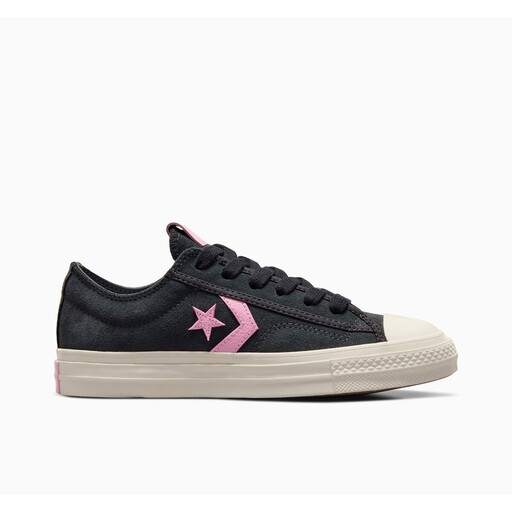
Why this suits the profile: This low-cut canvas model works well for everyday wear and pairs easily with casual clothing.
The product information lists a canvas upper, textile lining and a vulcanised rubber outsole. That lets you assess the materials and sole rather than relying on style alone.
Canvas upper, low profile, rubber sole and a padded insole according to the product description.
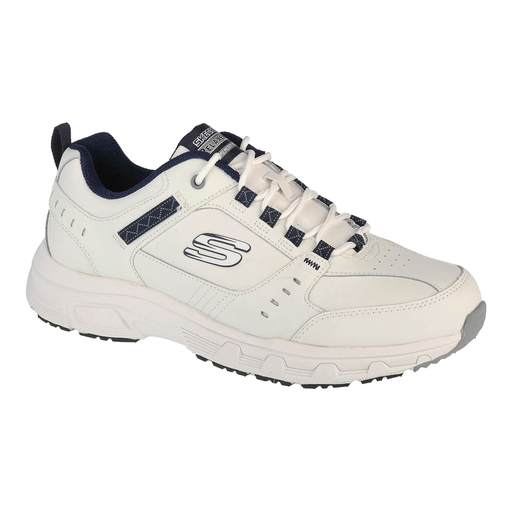
Why this suits the profile: A solid pick for adults seeking a roomier fit for walking, training and everyday wear.
The product description mentions a Relaxed Fit, padded collar and a rubber outsole with tread. Do check whether this roomier shape suits your foot.
Synthetic upper, memory foam insole, stabilising midsole and size 44 with D width.

Why this suits the profile: This model is specifically described for futsal and indoor football, not general street use.
The product details mention a non-marking rubber sole and advise use on indoor surfaces. That clearly defines the intended ground.
EVA insole, reinforced toe, lace fastening and a standard fit in size 42.
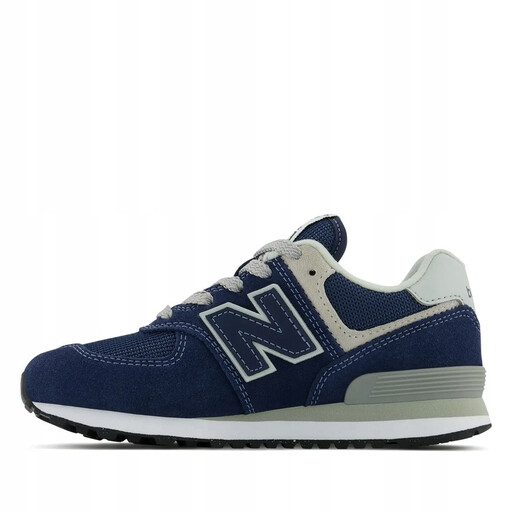
Why this suits the profile: The combination of hook-and-loop fastening and a low-cut shape is practical for school, play and daily use.
The fastening is clearly specified as hook-and-loop and the sole has a rubber tread. Before buying, check foot length and the available size.
Suede, synthetic material and mesh, an EVA midsole and a rubber outsole with tread.
We’ve compiled a complete, up-to-date list of products that fully meet these stringent selection criteria and comply with current European safety regulations.
Choose a model with a fit that doesn’t pinch, a flexible rubber sole and enough cushioning for your walking route. For tarmac and shops, a flatter tread is often practical. For unpaved paths, walking shoes or trail models with more grip make more sense. A casual trainer isn’t automatically suitable for long walks.
Lifespan depends on how often you use them, the surface, body weight, care and materials. Watch for uneven wear, a tread that’s worn smooth, seams coming loose or a midsole that’s collapsed. Use sports shoes for their intended purpose and let shoes dry at room temperature after a wet walk.
According to product descriptions, memory foam can add extra step-in comfort, but it doesn’t in itself mean a model is suitable for running, training or futsal. Always check the sports category, sole construction, grip and fit. For intensive activity, a purpose-designed sports shoe is usually more practical than an everyday trainer.
In addition to the EU size, check the shoe width, internal length, fastening and fit. A size 47 or 47.5 can still feel narrow. Models such as Skechers trainers, New Balance trainers or PUMA sports shoes can vary by version. Compare the product specifications of the exact model before you order.
