
Vandaag of morgen in huis

Kwaliteit gegarandeerd

Welkomstaanbiedingen ontgrendelen: GRATIS bezorging | Tot 80% korting | Gratis 30 dagen JoyPlus-proefperiode
Download de app
Buying trainers seems straightforward, until you have to choose between women’s trainers, men’s trainers, children’s trainers, casual shoes and sports shoes. A style might look appealing, but still be less suitable for long walks, rainy days or intensive use.
So don’t focus only on the brand and colour. The key differences often come down to fit, materials, sole and intended use. Read on to find out which pitfalls to avoid and which styles suit different needs.
A low-profile lifestyle trainer such as a Nike Dunk Low, Vans trainer or Puma Speedcat is designed mainly for a casual look and everyday wear. That doesn’t automatically make it suitable for running or long walks.
For sporting activities, features such as a flexible sole, breathable upper and suitable cushioning matter more than appearance alone. If you wear a lifestyle style for intensive training, you may find the fit doesn’t support your movement as well.
A size 40 doesn’t fit the same way in every brand or style. The width of the shoe and the shape of the toe also play a part. Some styles have a standard fit, while others come up wider or narrower.
So always check:
For example, the Skechers Graceful - Get Connected 12615-BKRG is stated to come up large, with a size smaller recommended. This sort of information is more useful than relying on the brand name alone.
Words such as “comfortable”, “lightweight” and “breathable” don’t always give you the full product specifications. Look at the details behind the claims. A textile upper may feel airier than leather, while leather typically has a different look and texture. A rubber sole can offer grip, but how much grip you get also depends on the tread and the surface.
When a brand makes a claim about a particular feature, treat it as a brand statement. For example, some Skechers styles list Memory Foam as part of the insole. The specific, verifiable details are whether the insole is fixed or removable, and the materials used for the upper and sole.
Laces generally give you more ways to adjust the fit. Hook-and-loop fastenings are practical on children’s trainers, making them easy to put on and take off independently. Elastic fastenings can be handy for everyday wear, but may offer less scope for adjustment.
For children, a standard fit, secure fastening and a sole that isn’t unnecessarily heavy are all important considerations. For example, the Skechers Meteor-Lights - Krendox 401495L-BKBL in size 33 has a standard fit, a G shoe width and a hook-and-loop fastening.
The materials affect how a shoe feels and how you care for it:
Check the care instructions too. Some styles shouldn’t be machine-washed. Washing shoes with built-in lights, such as some children’s trainers, can also damage the electronic components.
A flat rubber sole often suits casual shoes, while running shoes are designed for movement on particular surfaces. According to the product description, the Salomon Aero Glide 2 W 474268 is intended for running on hard surfaces such as tarmac. The adidas Runfalcon 5 W has a mesh upper and flexible outsole, making it a possible choice for training and an active daily routine.
For everyday shoes in Dutch cities, ease of care matters too. Styles with a treaded sole can be practical on different surfaces, but no casual trainer automatically replaces a waterproof walking shoe in prolonged rain.
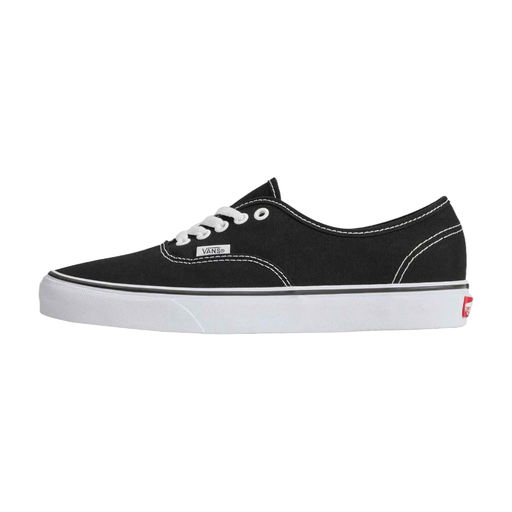
Why it suits this profile: The low-profile black design is easy to pair with everyday clothes and suitable for walking, work and leisure.
The product information clearly lists the materials: a textile upper and lining, with a rubber outsole. That way, you know what you’re buying instead of judging by style alone.
A low-profile fit, textile upper and rubber sole for a classic casual trainer.
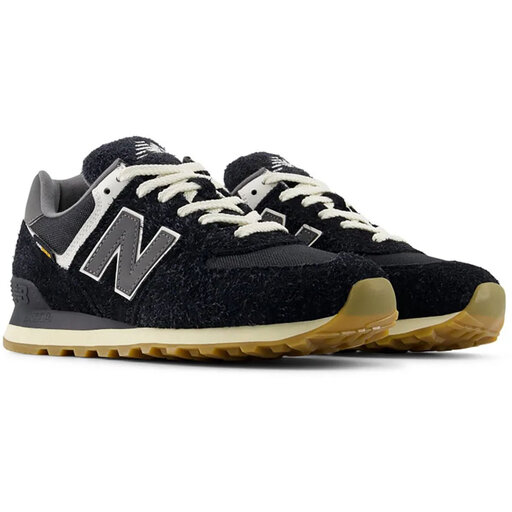
Why it suits this profile: The 574’s retro look is paired with materials suited to everyday and casual wear.
The combination of suede and mesh clearly sets it apart from a purely fashion-led style, with distinct zones made from different materials.
Suede and breathable mesh, a rubber outsole and a supportive midsole, according to the product description.
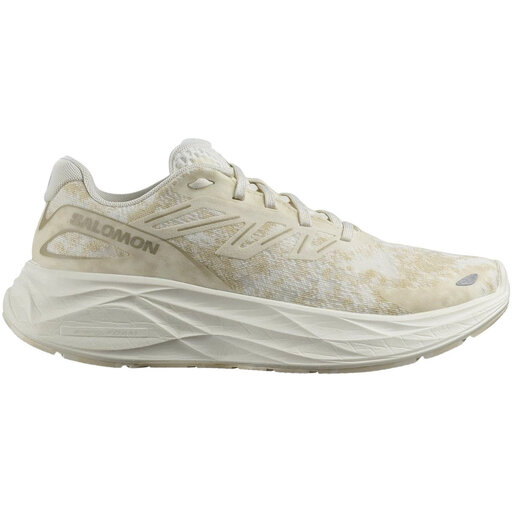
Why it suits this profile: According to the product description, this women’s style is designed for running on hard surfaces such as tarmac, and for daily training.
Its intended use is described specifically. That makes it clear this is a running shoe, not a general lifestyle trainer.
A synthetic and textile upper, lace-up fastening and thicker rubber sole for use on hard surfaces.
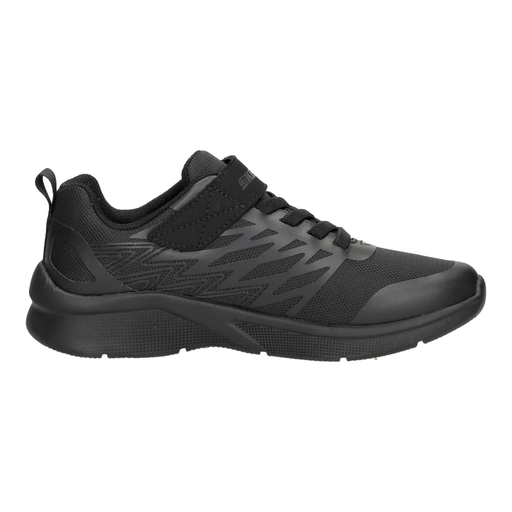
Why it suits this profile: These children’s trainers have elastic and hook-and-loop fastenings, making them easy to put on and take off.
The fit is listed as standard. Always check your child’s foot length, and allow for growth without choosing shoes that are too roomy.
A textile upper, rubber sole, standard fit and easy-to-use fastening without fiddly laces.
For a statement streetwear look, take a look at the Nike Dunk Low, such as the white Nike Wmns Dunk Low NN DD1873-113 or the black-and-white Nike Wmns Dunk Low HM9655-001. Both styles have a leather upper, padded collar and rubber sole.
The Puma Speedcat has a low profile, leather upper and flat heel. This makes it an interesting choice as a casual shoe, rather than a replacement for running shoes. The Skechers trainers in the range cover everything from lightweight everyday styles to training and walking shoes. For men, the Skechers Track-Bucolo or Oak Canyon could be worth comparing based on fit and sole.
If you’re looking for a classic canvas style, take a look at the Converse Star Player 76 OX. For a retro look, the New Balance 574 and various Vans trainers are alternatives. For sport, adidas running shoes and Salomon running shoes are more suitable than regular casual shoes.
We’ve put together a full, up-to-date list of products that meet these strict selection criteria and comply with current European safety regulations.
Measure both feet at the end of the day and compare the longer foot with the size guide for the specific style. Also check the fit and shoe width. Don’t rely only on the size you wear in another brand.
Their lifespan depends on distance walked, surface, materials, body weight and care. A pair worn every day will wear out faster than one you rotate with other pairs. Look out for seams coming apart, worn-smooth tread and a compressed insole. These are practical signs that it’s time to replace your shoes.
You can, but it isn’t always the most practical choice. Running shoes are designed for movement and particular surfaces. For the office, quick errands or casual outfits, lifestyle trainers may be more suitable. If you run regularly, choose a style whose product description clearly states that it’s intended for running.
