
Vandaag of morgen in huis

Kwaliteit gegarandeerd

Welkomstaanbiedingen ontgrendelen: GRATIS bezorging | Tot 80% korting | Gratis 30 dagen JoyPlus-proefperiode
Download de app
Buying trainers seems straightforward, until you have to choose between men’s trainers, women’s trainers, children’s trainers, running shoes and casual trainers. An attractive style isn’t automatically suitable for long walks, sport or everyday wear. So start by looking at the fit, materials and the surfaces you plan to wear them on.
Casual trainers are often designed for everyday wear and a walk around town. That doesn’t mean they’re suitable for running or intensive training. A flat sole and relatively firm construction can work well with a casual outfit, but may offer less support for repeated running movements.
For running shoes, the midsole, weight, grip and fit are all important. Gym trainers have different requirements, such as flexibility and a stable outsole.
Marketing copy often uses phrases such as comfortable trainers, well-cushioned trainers or lightweight. Check the technical details behind these claims:
According to adidas’ own information, certain Adizero models use Lightstrike Pro, ENERGYRODS and a Lighttraxion outsole, for example. These are verifiable product specifications. Whether the combination feels comfortable will depend on your running style and preferences.
An EU size can fit differently depending on the brand or model. “True to size” is useful information, but also check the foot length in millimetres or centimetres if it’s available. The PELLIOT Running Shoes, for example, have a size guide showing that EU 37 corresponds to a foot length of 235 mm, while EU 38 corresponds to 240 mm.
When trying them on, check for:
A mesh upper generally allows air to circulate more easily than dense synthetic material. This can be useful for walking, travelling and warm days. A canvas upper, such as on certain Converse trainers, has a casual look and can feel lightweight. Leather and synthetic materials are often easier to wipe clean, but breathability varies depending on the construction.
Check the care instructions too. Some shoes shouldn’t be machine-washed. For the Vans Old Skool, for example, it’s recommended that you avoid high temperatures and machine washing.
The midsole plays a large part in how a shoe feels. EVA foam is commonly used in running shoes and lightweight walking shoes. PELLIOT models specify an elastic EVA midsole and a ROCKYTEC rubber outsole. According to the product description, these shoes are designed for use on surfaces ranging from tarmac to off-road terrain.
That makes them worth considering if you’re looking for a versatile sports shoe, but always compare the fit and sole width with your foot. Cushioning is no substitute for the right size.
A rubber outsole is common on casual trainers, children’s shoes and sports shoes. For everyday use on UK streets, a hard-wearing tread is often enough. If you regularly walk on wet paths, mud or loose surfaces, it’s worth taking a closer look at the tread and the recommended use.
A flat sole, as found on some lifestyle models, suits casual wear. For running or trail-style routes, a model with a clearly defined tread makes more sense.
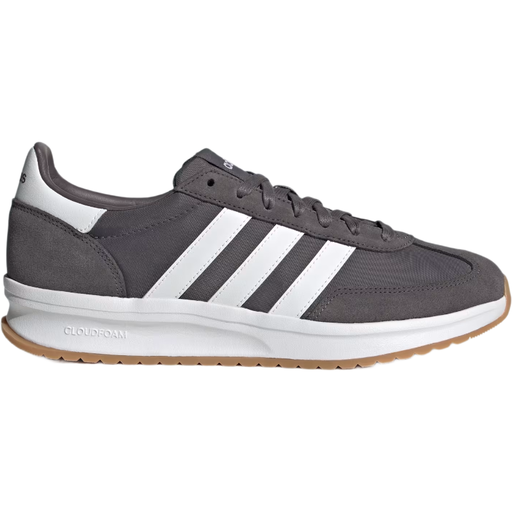
Why it suits this profile: This retro-inspired style is designed for everyday wear and combines textile and synthetic materials with a rubber outsole. Its neutral shape works with jeans, sportswear and casual outfits.
The product information clearly specifies the materials, rubber sole and everyday use. Don’t expect this style to perform like a specialist running shoe.
Textile lining, flexible construction according to the product description, and a rubber outsole for everyday wear.
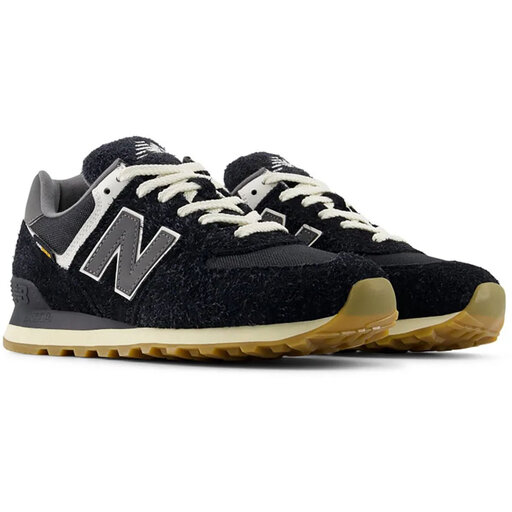
Why it suits this profile: The combination of suede and breathable mesh suits anyone looking to bring style, material choice and everyday comfort together. Its classic shape works well as men’s trainers and for casual wear.
The description specifies the upper, midsole and rubber outsole. This lets you compare the shoe more carefully than you could by looking at its appearance alone.
Suede and mesh, a supportive midsole according to the product information, and a rubber outsole.
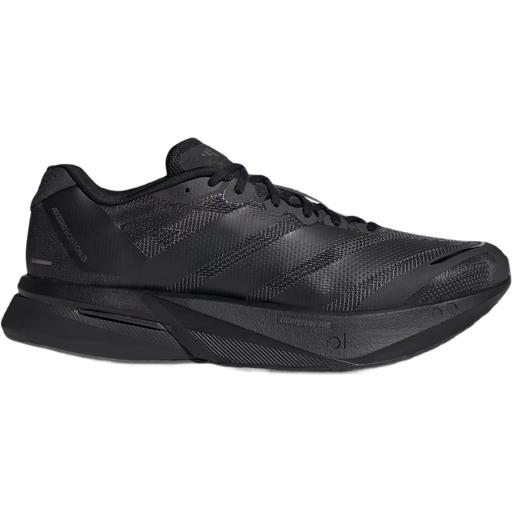
Why it suits this profile: According to the product information, this model is designed for intensive training and race preparation. It’s therefore a more logical choice for runners than for purely casual wear.
The intended use, materials and sole technology are clearly specified. Do check that the fixed size of 43 1/3 matches your foot length.
Lightstrike Pro midsole, ENERGYRODS and a textile upper; according to adidas, designed for speed training.
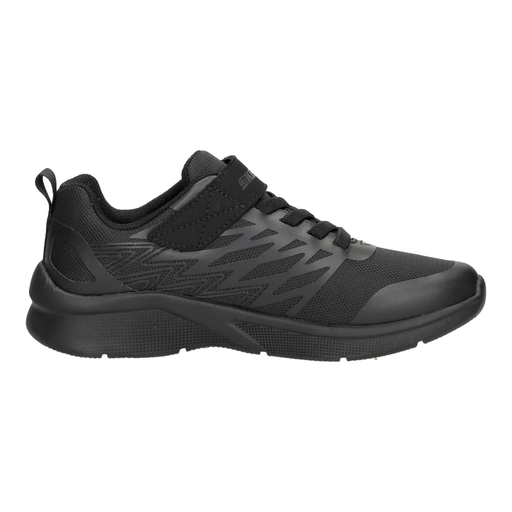
Why it suits this profile: The elastic fastening and hook-and-loop strap are handy for children who want to put their shoes on by themselves. This model has a regular fit and comes in shoe size 30.
The size, fit, width and fastening are specified. Measure your child’s feet before ordering, as children’s feet grow quickly.
Textile upper, rubber sole, and a combination of elastic fastening and a hook-and-loop strap.
We’ve put together a complete, up-to-date list of products that meet these strict selection criteria and the applicable European safety regulations.
Measure both feet at the end of the day, when they may be slightly larger. Compare your longer foot with the brand’s size guide. Alongside the EU size, check the measurements in centimetres or millimetres, and allow for the thickness of your socks.
Their lifespan depends on how often you wear them, your body weight, the surfaces you walk on, how you care for them and the materials they’re made from. Casual trainers worn every day will wear differently from running shoes used several times a week. Look out for a worn-smooth tread, cracks, a midsole that has compressed unevenly or seams coming loose. These are practical signs that it’s time to replace them.
You can, but they’re designed for running movements and aren’t always suited to standing for long periods or casual wear. Check that the sole and upper suit your everyday surroundings. For commuting and walking, comfortable trainers with a regular fit may be more practical; for training, choose a model with specifications that suit your running goals.
