
Vandaag of morgen in huis

Kwaliteit gegarandeerd

Welkomstaanbiedingen ontgrendelen: GRATIS bezorging | Tot 80% korting | Gratis 30 dagen JoyPlus-proefperiode
Download de app
Buying trainers seems simple until you have to choose between men’s trainers, women’s trainers, children’s trainers, running shoes and models for walking or trail running. A shoe that feels comfortable while doing the shopping is not automatically suitable for an off-road route. So don’t just focus on colour, brand or discount. Pay particular attention to fit, materials and the surface you’ll be using them on.
Many trainers look like running shoes, but they don’t always have the sole or cushioning needed for running. For everyday use, a flexible rubber sole may be sufficient. During longer runs, you’ll benefit more from a clearly defined midsole, a good fit and an outsole suited to tarmac or trails.
A size 42 is not the same in every brand or model. Width can vary too. So check the size chart, the stated foot length and the recommended size. Some children’s shoes, such as the Skechers Flex Glow, come up small according to the product information. One size larger is recommended. Other models, such as certain Skechers Summits variants and PELLIOT running shoes, are described as true to size.
A mesh upper allows air to circulate, but generally offers less protection from rain than a model with a membrane. Conversely, added protection can affect ventilation. So look at the materials and construction rather than relying solely on the marketing term. A product description is not a guarantee that your feet will stay dry or comfortable in all conditions.
Measure both feet at the end of the day, preferably while wearing the socks you’ll use with the shoes. Pay attention to:
Children need room to grow, but too much space can cause the foot to slide around. With trainers that have lights, care and fastening are especially important: built-in electronics often make machine washing unsuitable.
The midsole largely determines how a shoe feels. EVA foam is often used in running shoes and trail running shoes because it is lightweight and resilient. A memory foam insole, as found in some Skechers trainers, can feel soft during everyday use. That does not automatically mean the model is suitable for intensive training.
For running on tarmac, weight, flexibility and cushioning are important considerations. For walking or trail running, stability and grip are just as important. So don’t use a lightweight trainer on rocky or muddy paths without checking its suitability first.
The sole should match the surface:
A designation such as Contagrip, ROCKYTEC or PROTREAD refers to a technology or sole construction. You should assess how it performs based on the materials described and your intended use. According to PELLIOT’s product information, the ROCKYTEC sole is designed to provide grip on wet rocks, mud and loose sand, among other surfaces. This is a product claim made by the brand, not a universal guarantee for every route.
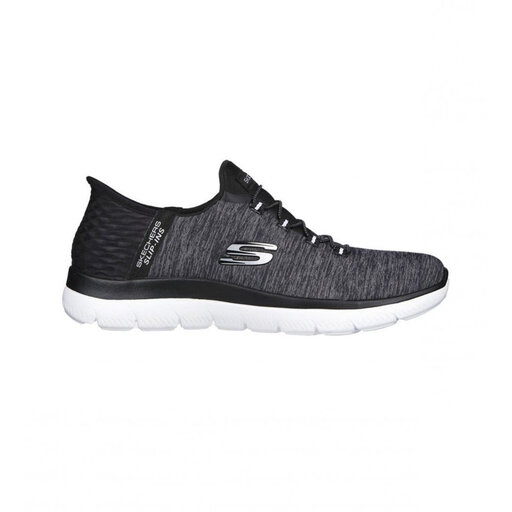
Why it suits this profile: A low-cut model for everyday use, work, shopping and light fitness. The design focuses on easy entry and a standard fit.
The product information specifies a standard fit, flexible rubber outsole and removable insole. Do check the latest care instructions, as details may vary between versions.
Textile upper, rubber sole and slip-on construction with elastic laces. The product description mentions an Air-Cooled Memory Foam insole.
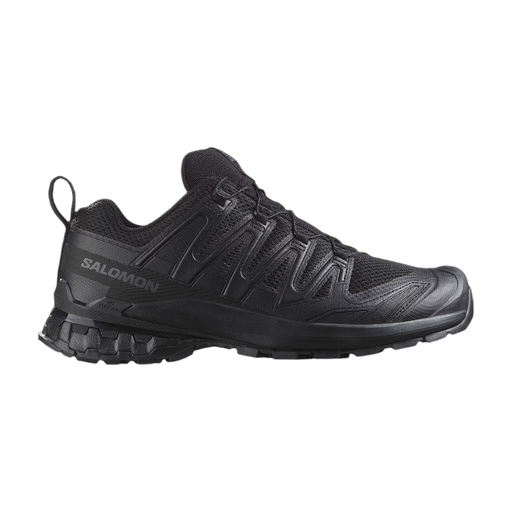
Why it suits this profile: Designed for walkers and trail runners who regularly use unpaved, wet or technical paths.
The product description mentions a GORE-TEX membrane, a 3D Advanced Chassis and a Contagrip rubber outsole. This gives you clearly stated details about protection, stability and grip.
Water-repellent protection according to the product information, Quicklace fastening and reinforced toe and heel areas. Not intended to replace heavy-duty mountain boots.

Why it suits this profile: An option for runners looking for one pair for city roads and lighter trails, with a focus on low weight and ventilation.
The upper is described as sandwich mesh and woven material. The product information lists standard and narrow versions, so you don’t have to focus solely on length.
EVA midsole, ROCKYTEC rubber and a size chart based on foot length. When buying, check which version and sole technology apply to the variant you’ve chosen.
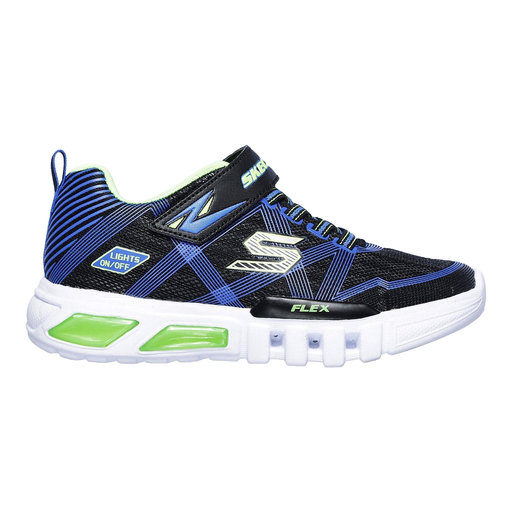
Why it suits this profile: Children’s trainers for school, play and everyday use, with elastic laces, a hook-and-loop fastening and lights in the sole.
The model is listed as having a standard fit, but the size advice states that it comes up small. So don’t simply order the current EU size, and clean the shoes only according to the stated instructions.
Mesh upper, elastic laces, hook-and-loop fastening and switchable lights. Suitable for size 29; also check the available variants in sizes 28 to 47.
The category determines which features you should look for. Men’s trainers and women’s trainers are often designed for everyday use and style, but fit remains more important than the category. According to the product description, a PUMA Pounce Lite model combines a lightweight foam midsole with a rubber PROTREAD outsole and an upper containing at least 30% recycled materials. This makes it an interesting option for light training and everyday use, but if you run intensively, check whether the level of support suits your running style.
For walking, lightweight men’s walking shoes are practical when flexibility is important to you. For wet routes, waterproof shoes are a better choice. On dry, warm days, breathable shoes with mesh may feel more comfortable. Choose based on the activity, surface and weather conditions rather than the trainer label alone.
We’ve put together a complete, up-to-date list of products that fully meet these strict selection criteria and the applicable European safety regulations.
Measure your foot in centimetres and compare the length with the size chart for the specific model. Also check the size advice and width. With children’s trainers, the recommended size may vary from one model to another.
Their lifespan depends on use, body weight, surface, care and materials. Everyday trainers wear out more quickly when you also use them for running. Replace a pair when the sole becomes visibly smooth, the heel wears unevenly or the upper no longer provides a good fit.
Sometimes, but not automatically. Check the midsole, tread, fit and intended use. A lightweight mesh trainer may be suitable for short training sessions, while trail running shoes need more grip and protection on unpaved routes.
