
Vandaag of morgen in huis

Kwaliteit gegarandeerd

Welkomstaanbiedingen ontgrendelen: GRATIS bezorging | Tot 80% korting | Gratis 30 dagen JoyPlus-proefperiode
Download de app
Buying trainers seems simple until you have to choose between women’s trainers, men’s trainers, children’s trainers, sports shoes and casual trainers. A style may look appealing but still be less suitable for long walks, school or running. So don’t focus only on the brand and colour. Fit, material, fastening and intended use matter just as much.
New Balance trainers, Skechers trainers, Nike trainers and Vans trainers all come in different styles. A casual trainer isn’t automatically suitable for running. A trail-running shoe, for example, has a tread designed to grip uneven ground, while a lifestyle style is aimed mainly at everyday wear.
First, think about what you need the pair for:
An EU size doesn’t give you enough information for every style. The width, last and shape of the shoe can vary. The sizing advice on the product page is important too. According to the product information, some Skechers styles in this selection come up large, with advice to order a size smaller. Other styles are true to size.
Measure both feet at the end of the day and compare the longer foot with the size chart. Also check:
Mesh is generally designed to provide ventilation, while suede, synthetic overlays and canvas need different care. A pair described as machine washable won’t necessarily have the same care instructions as a style with suede panels or built-in lights.
Read the care information before you buy. For many styles, the advice is to air-dry them, avoid direct heat and steer clear of harsh cleaning products.
A good fit starts with the right combination of length and width. The product information may list a shoe width such as D or G. This helps you compare styles, but it doesn’t replace checking the fit for yourself.
For children, Velcro trainers and elastic laces are practical. They’re easy to put on and fasten quickly. With children’s shoes in a standard fit, it’s still important to check regularly that their toes aren’t touching the front.
Laces often offer more adjustment on women’s and men’s trainers. Slip-on styles are handy for everyday wear, but offer less adjustment around the instep.
Check the material and tread on the outsole. According to the product information, a rubber sole with tread can help with grip and durability, but how suitable it is will depend on the surface, weather and how intensively you use it.
For city breaks and everyday wear, a flexible sole and light weight are often practical. For trail-running shoes, multidirectional lugs and reinforcement around the toe are relevant specifications. Don’t use a casual trainer as a substitute for a style specifically designed for running.
According to the product description, a mesh upper can help with airflow. Synthetic overlays can add structure. Suede and canvas create a different look, but usually need targeted cleaning.
When choosing black or white trainers, look beyond the colour and consider how easily they’ll show stains. Dirt and discolouration show up more quickly on white material. Dark styles can be more practical for everyday wear, but dust and salt marks can show on those too.
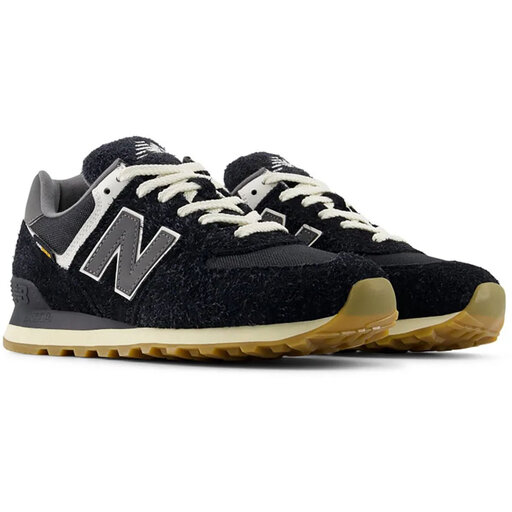
Why it suits this need: The retro-inspired shape works well with everyday outfits and casual wear. Its combination of suede and mesh makes it a good option if you’re looking for one versatile pair.
The product information clearly states that it’s for casual and sporting occasions, so you won’t mistake it for a specialised running shoe.
Suede and breathable mesh; rubber outsole with grip; neutral grey and blue colourway.
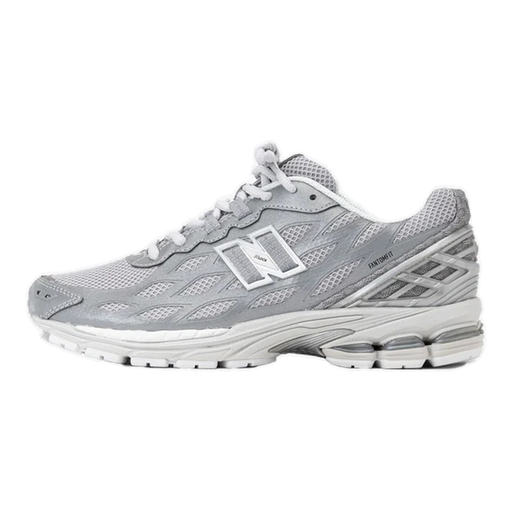
Why it suits this need: This style combines a modern shape with features for everyday wear and leisure. Its light colour with beige details works well with both sporty and casual outfits.
The product description lists the material, sole and intended use separately. This lets you base your choice on specific features, rather than appearance alone.
Mesh with synthetic overlays; rubber outsole; a cushioning system for everyday comfort, according to the product information.
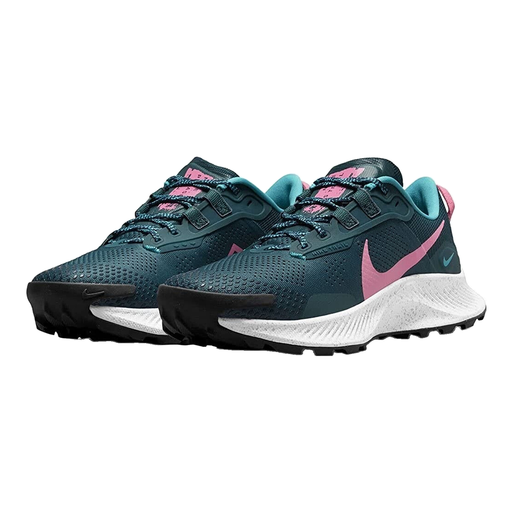
Why it suits this need: According to the product information, this style is designed for trail running, city routes and outdoor activities. It’s a good fit for anyone who switches between paved and rougher terrain.
This isn’t presented as a general-purpose casual trainer: the description specifically mentions the sole tread and reinforcement around the toe and heel.
React foam, according to the product information; rubber sole with multidirectional lugs; mesh and synthetic upper.
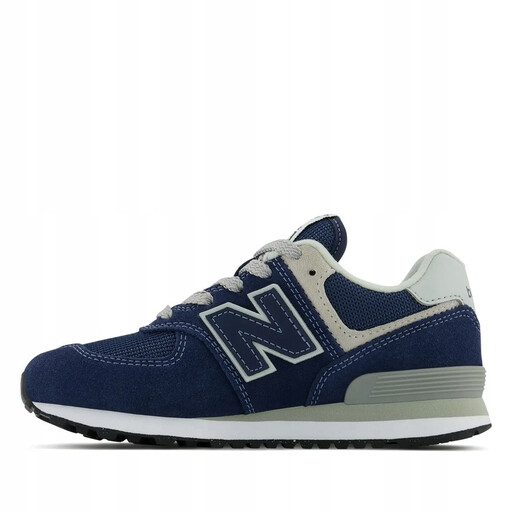
Why it suits this need: The combination of a Velcro fastening, mesh and rubber sole is practical for school, play and everyday wear.
The fastening and size are clearly stated. Do check your child’s foot length, though, as a Velcro fastening won’t make a shoe with the wrong length fit properly.
EVA midsole; rubber outsole with tread; suede, synthetic material and mesh textile; Velcro fastening.
We’ve put together a complete, up-to-date list of products that meet these strict selection criteria and the applicable European safety regulations.
Their lifespan depends on how often you wear them, the surface, your body weight, care and materials. A pair worn every day may wear out faster than one you alternate with other pairs. Replace your trainers when the sole is visibly smooth or unevenly worn, the heel loses its shape or the upper no longer provides proper support.
Not as a rule. Check the size chart and the specific sizing advice for the style. A little extra room around the toes can be useful for running and walking, but shoes that are too roomy may slip. Measure your foot and compare it with the stated foot length.
For everyday wear, casual trainers with a comfortable fit, breathable upper and rubber sole are often a practical choice. For sports, always choose a style whose product description specifies that use. A pair such as the New Balance U574RUS is designed for casual and sporting occasions, while the Nike Pegasus Trail 3 is described specifically for trail running and outdoor use.
