
Vandaag of morgen in huis

Kwaliteit gegarandeerd

Welkomstaanbiedingen ontgrendelen: GRATIS bezorging | Tot 80% korting | Gratis 30 dagen JoyPlus-proefperiode
Download de app
When you shop for trainers online, you’ll soon notice that many styles look alike. A low price, a familiar brand name or a promise of extra comfort doesn’t tell you everything about whether a pair is right for you. Your choice should depend above all on the fit, materials, sole and what you’ll be using the shoes for.
Words such as “maximum cushioning” or “ergonomic” are only useful if the product information also explains how the shoe is made. So check whether it gives details about the insole, midsole, sole thickness, lining and fit. A soft sole may feel comfortable on a short walk, but that doesn’t automatically make it suitable for running.
Casual trainers and sports shoes aren’t the same. For everyday wear, flexibility, breathability and a comfortable fit are often important. Running shoes, by contrast, are designed with movement, grip and a specific fit in mind. A pair that’s suitable for the gym or a walk may not be right for longer runs.
Sizing can vary between brands and styles. Check the listed foot length in centimetres, the shoe width and the sizing advice. Some styles, for example, are recommended in a size smaller, while others are described in the product information as true to size. Don’t automatically order the same size as your current men’s or women’s trainers.
Start by checking the EU size, width and fit advice. A regular fit is often labelled D, while some styles have a wider G fitting. Laces give you a more adjustable fit than a slip-on style, but take a little longer to put on.
If you’re unsure, also check your foot length in centimetres. For example, the adidas Run 70s 2.0 lists a foot length for different sizes. This is more practical than relying only on conversions between EU, UK and US sizes.
A textile or mesh upper can feel more breathable for everyday wear. Synthetic materials and leather are generally easier to wipe clean, but may feel different in warm weather. Check the lining too: a textile lining can affect how the shoes feel to wear.
Pay attention to the care instructions. Not every shoe can go in the washing machine. According to the product information, some Skechers styles can be washed on a delicate cycle, while others should only be cleaned with a damp cloth and mild soap.
A rubber outsole can offer grip and durability for everyday wear. A Memory Foam or other padded insole may make the shoes more comfortable to step into, but that doesn’t guarantee they’ll be right for every foot.
For running shoes, consider the type of midsole, flexibility, grip and recommended running surface. Claims about energy return or performance come from the brand’s product description. Treat them as the seller’s product specifications, not as a guaranteed result for every user.
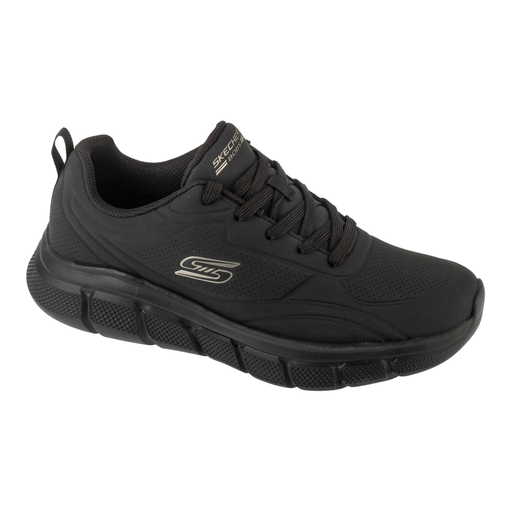
Why it suits this profile: This low-profile slip-on is designed for easy everyday wear. It has a synthetic upper, textile lining and a sole with a stated height of 3.5 cm.
The product information lists the materials, lining, sole and size conversions. So you don’t have to rely on the word “comfortable” alone.
Slip-on style, synthetic materials and suitable for several seasons according to the product description.
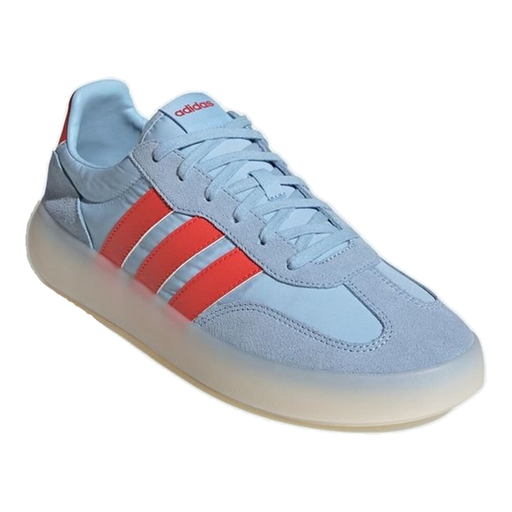
Why it suits this profile: The T-toe design, suede and nylon upper, and rubber cupsole make this a good choice if you’re after a polished retro look for work, leisure and casual outfits.
The regular fit and lace-up fastening are clearly specified. The care advice is to wipe the shoes with a damp cloth and leave them to air dry.
Suede and nylon upper, padded midsole and rubber outsole.
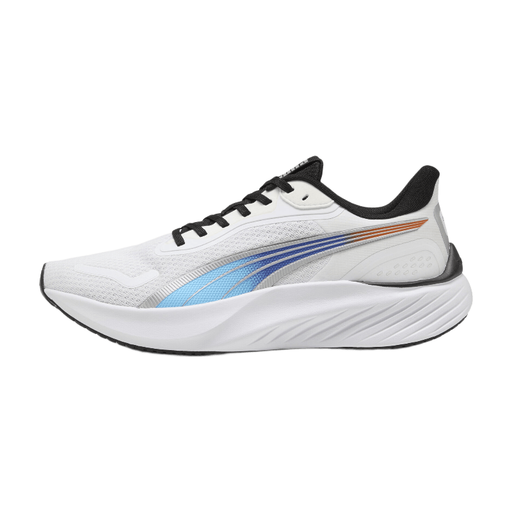
Why it suits this profile: The product information describes this style as suitable for running, training and everyday wear. It has a regular fit, and you can compare the size with the insole length.
The shoe isn’t described as a casual style alone: the product information also covers the rubber outsole, lace-up fastening, and suitability for training and running.
Lightweight foam according to the product description, rubber outsole and an upper made with stated recycled materials.
We’ve put together a complete, up-to-date list of products that meet these strict selection criteria and current European safety regulations.
How long your trainers last depends on the distance you walk or run, the surface, your body weight, the materials and how well you care for them. You can help reduce wear and tear by:
Check the outsole, seams and heel counter regularly. A worn-smooth tread or misshapen fit are practical signs that it may be time to look for another pair. A style with a removable insole also leaves room for your own insole, if the manufacturer specifies this.
Choose a style with a fit that stays comfortable over time, a sole with enough grip, and an upper suited to the weather and your care routine. Black trainers are easy to coordinate, while retro trainers often make more of a style statement. Always check whether the style is described as a casual shoe or a sports shoe.
Measure your foot at the end of the day and compare its length with the size chart for that particular style. Check the sizing advice too: some styles come up large, while others are true to size. Also check the shoe width and allow for the socks you’ll wear.
That depends on the purchase price, how often you wear them, and the durability of the materials and sole. A pair you wear every day will generally wear out faster than one you alternate with other pairs. So compare more than just the price: check the care instructions, intended use and whether you can rotate them with other trainers.
