
Vandaag of morgen in huis

Kwaliteit gegarandeerd

Welkomstaanbiedingen ontgrendelen: GRATIS bezorging | Tot 80% korting | Gratis 30 dagen JoyPlus-proefperiode
Download de app
Buying trainers may seem straightforward, until you discover how much fit, materials and intended use can vary from one model to another. A slim lifestyle trainer is not automatically suitable for long walks. And a lightweight running shoe will not necessarily work with every outfit.
With this practical guide, you can compare men’s trainers, women’s trainers and unisex trainers based on features you can check in advance. This helps you avoid paying mainly for a brand name, a trend or an attractive photo.
A narrow toe box and flat sole may look stylish, but they do not always provide enough room for your toes. You are especially likely to notice this with trainers for everyday use during a long working day or a walk around town. So do not just check the EU size; also look at the stated fit, foot length and width.
Low weight is useful for walking or sport, but on its own it says little about grip, support or durability. Look at the materials used and the sole construction. A mesh upper may feel more breathable, while leather or synthetic materials generally require different care and create a different look.
Casual trainers and lifestyle trainers are designed for everyday use and leisurewear. Running shoes usually have a different midsole, fit and outsole. So use a model according to its stated purpose. A running trainer is not automatically the right choice for intensive trails, and a flat streetwear shoe is not a substitute for a running shoe.
Sizes can vary between brands and models. So pay attention to:
The product information for the Puma Speedcat Og states a standard fit and usual sizing. According to the product description, the PUMA Pounce Lite has a performance fit; if your foot length falls between two sizes, it recommends going up a size for running comfort. Always check the current size chart on the product page before ordering.
The upper has a major influence on the appearance, breathability and care required:
A textile model is not automatically waterproof. If you are looking for white trainers for the Netherlands’ changeable weather, focus particularly on care, stitching and the sole edge rather than just the colour.
The midsole affects cushioning and underfoot feel. EVA or IMEVA is often used to create a lightweight, responsive feel; according to the product description, PUMA uses IMEVA in several models. The outsole then determines grip and wear resistance. Rubber is widely used for casual trainers and sporty trainers.
For everyday use on tarmac, a rubber sole with a flat or lightly patterned tread is often sufficient. For wet paths or unpaved terrain, a more pronounced tread is relevant. The PELLIOT Running Shoes, for example, specify a ROCKYTEC rubber outsole and a mesh and woven upper. Based on the product specifications, this makes them a logical option for users looking for unisex running shoes for different surfaces. These features come from the product description and do not guarantee performance for every user.
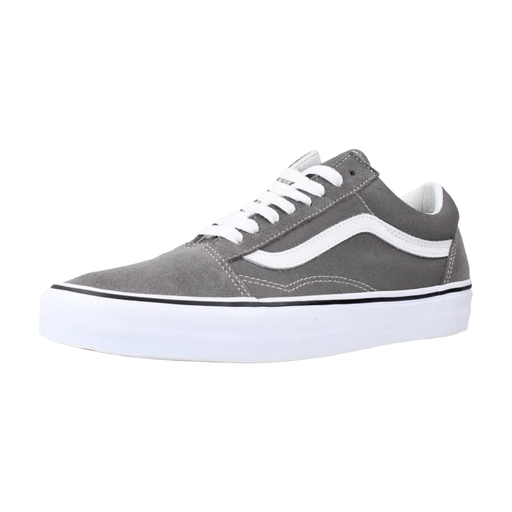
Why it suits this profile: The recognisable low-top shape with a white side stripe pairs easily with jeans, chinos and casual clothing. The shoe is designed for everyday use and has a textile insole and soft collar.
The product specifications mention a soft ankle collar, textile insole and rubber sole. However, check beforehand whether the relatively flat shape suits your foot and intended use.
Suede and canvas combination, textile insole and rubber outsole; suitable as an everyday lifestyle trainer.
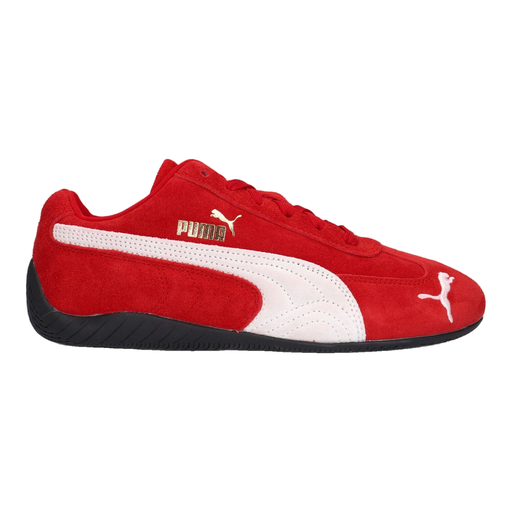
Why it suits this profile: The slim, low-top shape is aimed at shoppers looking for a distinctive streetwear look. The red colour with white details works as a striking accent against neutral clothing.
The product page specifically lists an IMEVA midsole, leather upper and rubber outsole. Because of the slim last, trying them on or comparing your foot length is particularly important.
97% leather upper, textile lining, IMEVA midsole and rubber outsole according to the product specifications.
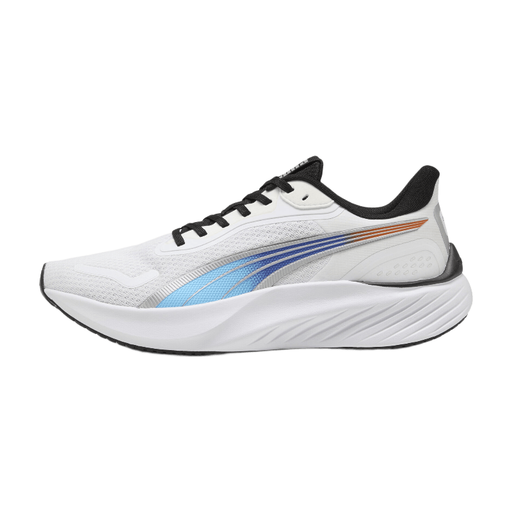
Why it suits this profile: According to the product description, this model is intended for running, training and active everyday use. The design suits men looking for one sporty trainer for several occasions.
Rather than simply stating “lightweight”, the product information mentions a foam midsole, PROTREAD outsole and performance fit. Suitability still depends on your running style and the surface.
Ultra-light foam, rubber PROTREAD sole and an upper containing at least 30% recycled materials according to PUMA.
Other models may be a better match for a different style. The adidas Barreda Decode uses suede and nylon with a rubber cupsole. According to the product information, Skechers trainers such as the Sport Court 92 and OG 85 Old School focus on a padded or Air-Cooled Memory Foam insole. For a white tennis-inspired style, the Lacoste Lineshot and Lacoste Storm 96 2K are options worth comparing. Crocs clogs, with their slip-on shape and 100% Croslite material, are a different type of choice from closed trainers.
We have put together a complete, up-to-date list of products that fully meet these strict selection criteria and the applicable European safety regulations.
Choose a model with a fit that matches your foot, an adjustable lace fastening and a sole suited to tarmac and shopping streets. Casual trainers, white trainers and lifestyle trainers are generally designed for everyday use. For running, a dedicated running shoe is the more logical choice.
Their lifespan depends on how often you wear them, the surface, your body weight, maintenance and the materials. Alternate between pairs, allow wet shoes to dry naturally and follow the washing or cleaning instructions. Tears in the upper, a worn-smooth tread or a compressed midsole are signs that it is time for a replacement.
Measure both feet at the end of the day and compare the longer foot with the size chart in centimetres. Then check the stated fit. If you are between two sizes, follow the advice on the specific product page, as this can vary between brands and models.
