
Vandaag of morgen in huis

Kwaliteit gegarandeerd

Welkomstaanbiedingen ontgrendelen: GRATIS bezorging | Tot 80% korting | Gratis 30 dagen JoyPlus-proefperiode
Download de app
Buying trainers seems simple until you have to choose between women’s trainers, men’s trainers, casual trainers, sports shoes and running shoes. An appealing photo tells you little about fit, cushioning or grip. Even popular names such as Skechers, Adidas running shoes, Vans and Puma can fit very differently from one model to the next.
So the most important question isn’t which brand is best known, but what you’ll use the shoes for and which specifications are right for you. Use the checks below to reduce the risk of buying the wrong pair.
A soft insole may feel comfortable when you try a shoe on, but that doesn’t automatically make it suitable for long walks or running. Also consider the width around your toes, how flexible the sole is and how the shoe fastens.
A lace-up model can usually be adjusted more precisely than a slip-on trainer. For everyday wear, elastic laces or a contoured heel panel can be useful if you want to put your shoes on quickly.
Casual trainers are mainly designed for everyday wear on the street, at work or on light walks. Running shoes and trail running shoes have different features, such as a specific sole pattern, a breathable upper and better grip on uneven ground.
A tread that works well on wet pavements isn’t necessarily suitable for mud, loose earth or rocky paths. Check the stated intended use before buying a model for more demanding activities.
Sizing varies by brand, model and last. Some models fit true to size, while others are described in the product information as coming up large. Measure your foot length and compare it with the size guide. Also check the stated shoe width, such as D, G or ‘standard fit’.
Bear in mind that your left and right feet may differ. If you’re between sizes, the shape of the toe, the thickness of your socks and the fastening can all affect your choice.
Check these points before buying trainers:
A shoe that already presses against your toes when you try it on is unlikely to become more comfortable with wear.
The upper affects breathability, care requirements and appearance. Mesh and textile feel light and airy. Suede, synthetic leather and overlays can give a sturdier look, but often need more careful maintenance.
The sole is just as important:
According to PELLIOT’s own product information, certain models feature a ROCKYTEC rubber outsole and an EVA midsole. Treat this as a brand specification; actual grip also depends on the surface, wear and conditions.
A lightweight mesh trainer is handy for everyday wear, but not every model is machine washable. For several models, hand-cleaning with a soft cloth and mild soapy water, followed by air-drying, is recommended. Avoid direct heat, as it can damage materials and bonded joints.
If you wear your shoes frequently, it’s a good idea to alternate between pairs. This gives them time to dry out and regain their shape, while helping to limit unnecessary wear. Check the soles, seams and heels regularly.
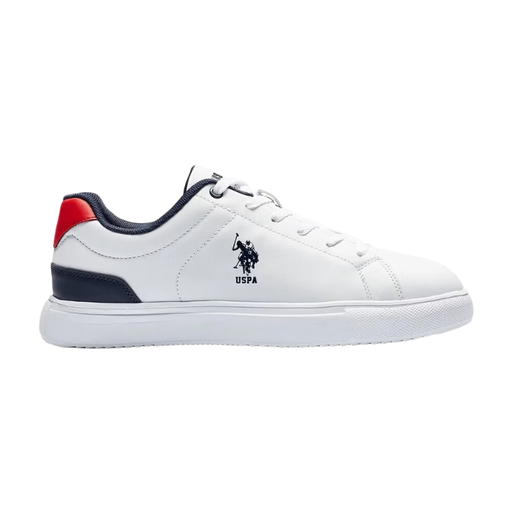
Why it suits this profile: A low-cut style for casual outfits and everyday wear, with laces and a standard width.
The product information lists the materials, width, fastening and sole, so you don’t have to judge by appearance alone.
Synthetic leather and mesh, a lightly padded insole, rubber sole and closed toe.
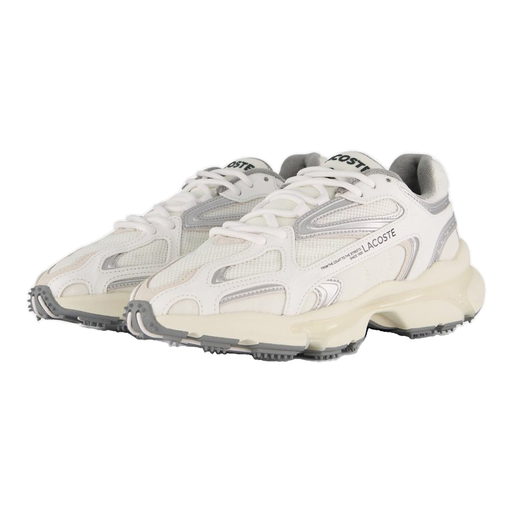
Why it suits this profile: A good choice if you’re looking for a smart lifestyle trainer for work, days out in the city and everyday plans.
The combination of mesh, suede, synthetic overlays and a rubber outsole gives you a clearer picture of the materials than a general comfort claim would.
An OrthoLite insole according to the product description, a padded tongue and a white and grey finish in size 45.

Why it suits this profile: An option for running, walks and routes with a mix of surfaces.
The model is described as available in standard and slim-fit options, with a size guide based on foot length to make comparing sizes easier.
Sandwich mesh and a woven upper, EVA midsole and ROCKYTEC rubber outsole according to the product specifications.
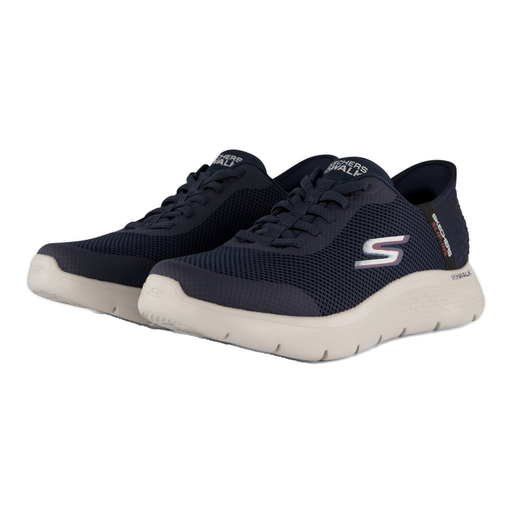
Why it suits this profile: Handy if you often need to slip your shoes on quickly for errands, commuting or a walk.
The product information lists the fit, G shoe width, elastic laces and the advice to choose your usual size.
Slip-on design, mesh and synthetic upper, memory foam insole according to the product description, and a rubber sole.
We’ve put together a complete, up-to-date list of products that meet these strict selection criteria and current European safety requirements.
Choose a model that fits without pinching, with a cushioned or supportive insole and a rubber outsole with plenty of tread. Many casual trainers are suitable for pavements and shopping streets. For longer walks, a lightweight model with a breathable upper is often more practical.
Measure both feet at the end of the day, when they’re often slightly larger. Use the measurement of your longer foot and compare it with the size guide for the specific model. Also check the sizing advice: a Skechers model, for example, may fit differently from Vans or Puma trainers.
Their lifespan depends on how often you wear them, your body weight, the surface, the materials and how well you care for them. Look out for tread that’s wearing smooth, cracks in the sole, seams coming apart or a heel that’s permanently misshapen. Shoes generally wear out faster with running and trail running than with gentle everyday use.
