
Vandaag of morgen in huis

Kwaliteit gegarandeerd

Welkomstaanbiedingen ontgrendelen: GRATIS bezorging | Tot 80% korting | Gratis 30 dagen JoyPlus-proefperiode
Download de app
When you’re shopping for trainers online, it’s easy to come across hundreds of styles, colours and offers. But a familiar brand name or an eye-catching discount tells you little about the fit, materials or suitability for everyday wear. The right choice depends mainly on how you’ll use your shoes, how much cushioning you prefer and how much care you’re willing to give them.
A retro silhouette such as the Nike Dunk Low, Vans Old Skool or New Balance 574 is easy to pair with casual outfits and streetwear. But a low-profile style with a firm sole feels different from a trainer with a softer midsole. So look beyond the colour and logo, and check the construction too.
Brands sometimes describe their styles as comfortable or supportive. According to the relevant brand’s product description, this might refer to a padded collar, a soft insole or a particular midsole. It doesn’t automatically mean a trainer will suit every foot or be comfortable on long walks. Pay attention to the midsole, the insole and the shape of the heel.
Leather and suede trainers can look smart, but they need more attention than canvas or synthetic fabric. Suede can discolour if it gets wet or is cleaned incorrectly. Canvas is generally easy to spot-clean, but product instructions often advise against putting these shoes in the washing machine too.
When ordering online, always check the available EU sizes and, if listed, the foot length in centimetres. Sizing can vary between brands and styles. For example, EU 42 in the Adidas Run 70s 2.0 is listed for a foot length of 26.5 cm. The Puma Speedcat OG is listed as a regular fit, and the product information recommends ordering your usual size.
Also check:
The upper has a big influence on a trainer’s appearance, breathability and care requirements.
A rubber sole can be practical for everyday wear, as rubber can offer durability and grip. The tread pattern varies from one style to another. According to the product information, the Vans Old Skool VN000D3HNVY1 has a rubber outsole with the familiar diamond pattern. The Nike Dunk Low has a rubber sole with pivot points, while the Nike Blazer Low 77 has a herringbone-patterned sole.
If you spend a lot of time standing or walking, a foam midsole or a construction such as ENCAP may be worth considering. According to New Balance’s product description, ENCAP combines foam with a firm polyurethane rim. This is a product specification, not a guarantee that the style will feel the same for everyone.
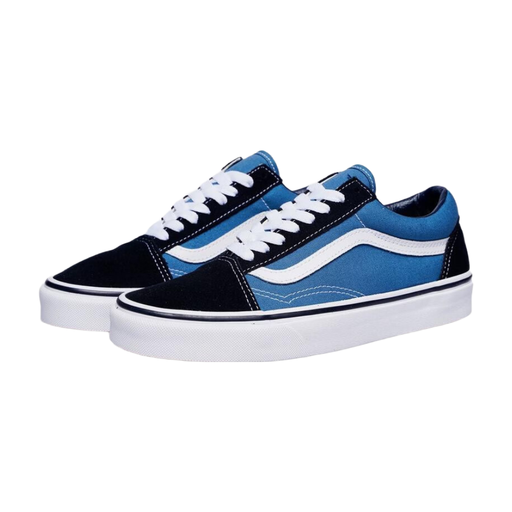
Why it suits this need: A recognisable low-profile style for everyday outfits, school, work and informal occasions. The combination of canvas and suede gives the trainer a classic look.
The materials and rubber sole are listed, so you can compare the style in terms of care and grip rather than choosing it just for the Vans logo.
Canvas with suede overlays, a padded low collar and a vulcanised rubber outsole with a diamond pattern.
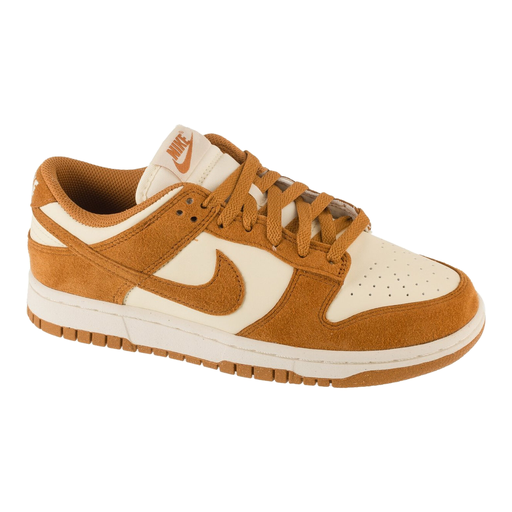
Why it suits this need: For anyone looking for a leather trainer with a smart streetwear look. The white base with beige accents is easy to pair with a range of outfits.
The product page lists the leather upper, padded collar and rubber sole, making it clear which features you can and can’t expect.
Leather upper, textile lining, padded tongue and rubber outsole with pivot points.
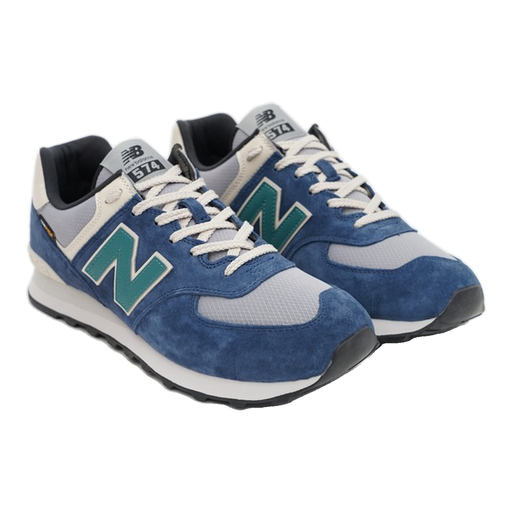
Why it suits this need: A retro trainer for anyone looking to combine everyday comfort, a mesh lining and a sturdy rubber sole with a sporty look.
The product information specifically lists a suede upper, mesh lining, padded midsole and rubber outsole, making it easier to assess whether it’s the right choice.
Suede with breathable mesh, a cushioned midsole and a rubber sole for everyday wear.
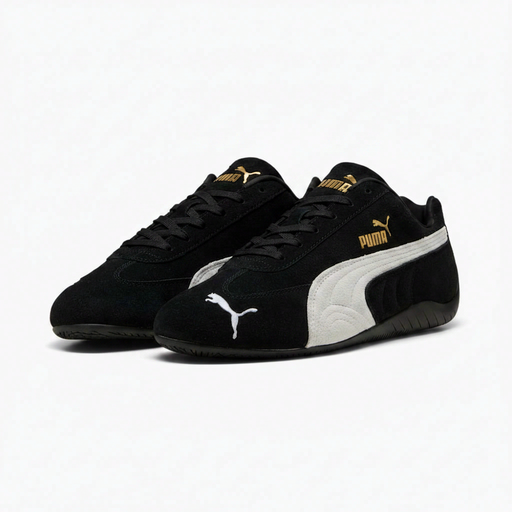
Why it suits this need: Its low-profile shape and black suede work well with minimalist casual outfits and sporty streetwear.
The product page lists a regular fit and the materials used. If you’re between sizes, check your foot length before choosing.
Leather and textile upper, IMEVA midsole and rubber outsole, with a regular fit.
Other styles may be a better match for a particular look. Consider the Adidas Run 70s for a lightweight, flexible retro profile, the Converse Star Player for a canvas style, or the Nike Blazer Low for a mix of suede and leather. Whether you’re shopping for women’s or men’s trainers, it’s worth checking the size, materials and sole construction for each style individually.
We’ve put together a complete, up-to-date list of products that meet these strict selection criteria and the applicable European safety regulations.
Measure your foot at the end of the day and compare its length with the brand’s size chart. Check the fit too: a regular last feels different from a narrow, low-profile style. If you’re unsure, check the product specifications rather than automatically ordering the same size from every brand.
Their lifespan depends on how you wear them, your body weight, the surfaces you walk on, the materials and how well you care for them. If you wear one pair every day, the sole will generally wear down faster than if you alternate between pairs. Clean your trainers according to the instructions, let them air-dry naturally and avoid the washing machine if the manufacturer advises against it.
Not necessarily. Many retro and casual trainers are designed for everyday wear or light sporting activities. For running or intensive training, you’ll need a style specifically designed for that level of use. Always check the recommended use and sole construction.
