
Vandaag of morgen in huis

Kwaliteit gegarandeerd

Welkomstaanbiedingen ontgrendelen: GRATIS bezorging | Tot 80% korting | Gratis 30 dagen JoyPlus-proefperiode
Download de app
Buying trainers seems straightforward until you have to choose from dozens of styles, materials and fits. A shoe may look good in photos, but turn out to be too narrow, offer little cushioning or get dirty quickly. Shopping online can come with a few pitfalls, but you can avoid many of them by checking the details in advance.
Not every sporty-looking trainer is suitable for running, intensive training or long walks. Some styles have a mainly casual design, a flat sole and limited midsole cushioning. That can work perfectly well for work, shopping or everyday wear, but may not be the best choice for intensive exercise.
So check how the shoe is described. If it’s labelled only as “casual” or “lifestyle”, it’s primarily designed for everyday wear. If you’re looking for sports trainers, check whether the product information mentions features such as a performance fit, cushioning, a specific outsole and recommended uses.
White trainers, men’s trainers, women’s trainers and unisex trainers differ in more than just appearance. The fit, width, materials and sizing can vary between styles. A well-known brand name doesn’t guarantee that a shoe will suit your feet.
Always check the size guide and compare the stated foot length with your own measurements. Measure both feet at the end of the day and choose your size based on the longer foot. Some styles recommend allowing around 0.5 cm of extra room. Check the product page for details.
Textile, mesh, suede, leather and synthetic materials all need different care. A pair of trainers that can’t be machine-washed may be less practical for everyday wear in rainy, muddy conditions. Also look for information about animal-derived materials. Some styles state that their non-textile components may be of animal origin.
A good fit helps prevent your foot from sliding forwards or your heel slipping out. Check:
A round toe often gives you more room than a narrow, low toe, but your comfort ultimately depends on the shape of your feet. If you’re unsure, you could compare two sizes if the returns policy allows it.
A rubber sole can provide grip and durability, but it doesn’t automatically mean a trainer has plenty of cushioning. Look at the full sole construction:
Brand claims about comfort or performance come from the brand’s product description. Treat them as product specifications, and take your own fit and conditions of use into account.
A mesh upper may feel more breathable than an entirely synthetic upper. Suede and leather can create a structured look, but need more care when exposed to moisture and stains. Always check the care instructions. Many styles recommend cleaning with a soft, slightly damp cloth and leaving them to air-dry, rather than putting them in a tumble dryer or near a heat source.
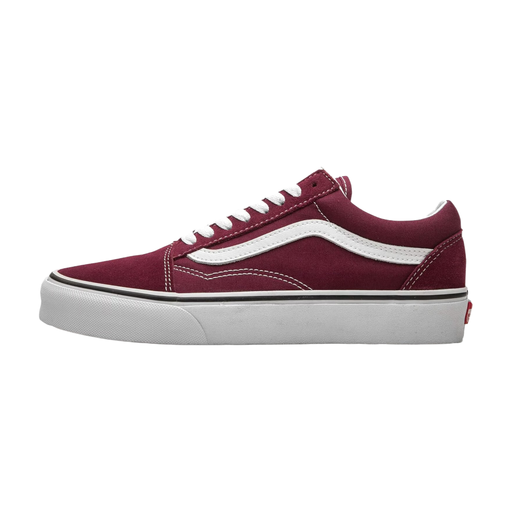
Why it suits this profile: This style is designed for casual outfits, commuting and everyday wear. Its textile upper and rubber sole make it a simple, versatile choice of trainer.
The product information describes this style as suitable for everyday outfits and clearly lists textile for the upper and lining. This makes it easier to see it as a casual trainer rather than a specialist sports shoe.
Textile upper and lining; rubber sole; care instructions available, and machine-washing is not recommended.
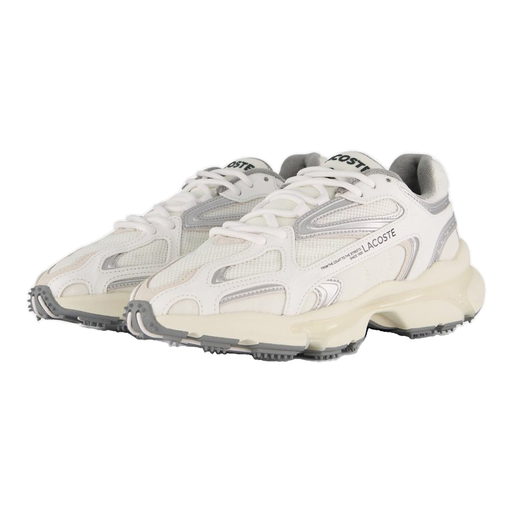
Why it suits this profile: The combination of mesh, suede and synthetic leather overlays will appeal to shoppers who value their choice of materials and finish for everyday wear.
The product page specifies the materials, EVA midsole, OrthoLite insole and care instructions. So you don’t have to judge it by its appearance or brand alone.
Mesh and suede upper; OrthoLite insole; rubber outsole with tread patterns, according to the product description.
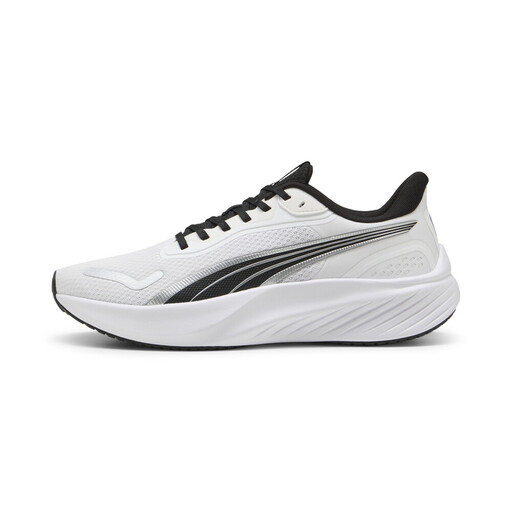
Why it suits this profile: This style is designed for more active use and is described in the product information as a running shoe for everyday runs and active pursuits.
The description specifically mentions a performance fit, medium cushioning and a PROTREAD outsole. That tells you more than a sporty design alone.
Lightweight foam; medium cushioning according to the product information; rubber PROTREAD outsole and an upper made with at least 30% recycled materials, according to PUMA.
We’ve put together a complete, up-to-date list of products that meet these strict selection criteria and the applicable European safety regulations.
Measure your foot in centimetres while standing, then compare the longer foot with the size guide for your chosen style. Also check the fit: regular, narrow or wide. EU sizes can feel different depending on the brand and style.
Their lifespan depends on how far you walk, the surface, your body weight, how well you care for them and the weather. Alternate heavily used trainers with a second pair, leave them to air-dry and follow the care instructions. Wear on the sole, heel lining or stitching is a practical sign that it may be time to replace them.
No. Cushioning can feel comfortable when walking or being active, but your shoes should be suited to the activity. A casual style, such as some Vans Old Skool trainers, is mainly designed for everyday wear. For running or intensive training, styles with a stated performance fit and a suitable outsole are a more logical choice.
