
Vandaag of morgen in huis

Kwaliteit gegarandeerd

Welkomstaanbiedingen ontgrendelen: GRATIS bezorging | Tot 80% korting | Gratis 30 dagen JoyPlus-proefperiode
Download de app
A toaster may seem like a simple kitchen appliance, but the differences between models can make a real difference in everyday use. A narrow slot may struggle with thick sourdough, an imprecise browning dial can lead to inconsistent results, and a missing crumb tray can make cleaning more of a chore than it needs to be.
As a Joybuy Product Recommendation Officer, I focus on verifiable product specifications. So don’t just look at the appearance or number of features. Pay particular attention to slot dimensions, controls, maintenance and safe use.
The term “extra wide” doesn’t tell you much on its own. Where possible, check the slot width in centimetres. For example, the KitchenAid 5KMT2115EWH has slots measuring 3.8 cm. That gives you room for bagels, English muffins and thicker slices of bread. Other models may simply be described as having “wide slots”, with no exact measurements.
If you mainly toast standard sliced bread, a 2-slice toaster may be all you need. For sourdough, bagels or thick slices of farmhouse bread, a wide-slot toaster is more practical.
A toaster with adjustable browning settings gives you more choice, but the number of settings isn’t the only thing that affects the result. The power, automatic centring and type of bread also play a part. A model with 7 or 8 settings offers more increments than one with only a few, but always start on a low setting when trying a new type of bread.
A toaster with adjustable browning settings is especially useful in households where one person likes lightly toasted bread and another prefers it darker.
Defrosting, reheating and a warming rack can all be useful, but only if you’ll actually use them. A toaster with a defrost function is handy for bread from the freezer. A toaster with a reheat function warms previously toasted bread without putting it through a full toasting cycle. A toaster with a warming rack is suitable for rolls and croissants that won’t fit in the slots.
Check the safety instructions too. Place the appliance on a flat, heat-resistant surface, keep it away from curtains, and unplug it before removing crumbs.
A two-slot model usually toasts two slices at a time. It’s a good choice for students, couples and small households. A 4-slice toaster is better suited to a larger household or mornings when several people have breakfast at the same time. Check whether the four slots can be operated independently, and how much worktop space the appliance takes up.
A long-slot model, such as the Philips Daily Collection HD2590/90, uses one long slot to accommodate different sizes of bread. If the product information is inconsistent, always check the specifications on the product page. For this model, both a long-slot design and different slot descriptions are listed.
Power is measured in watts. The models in this selection range from 600 W to 1.400 W. A higher wattage may help the toaster heat up faster, but it doesn’t tell you on its own how evenly the bread will toast. Also look for automatic centring, the available settings and features such as cancel or extra-high lift.
A toaster with a crumb tray is easier to keep clean. Empty the tray regularly and wait until the appliance has cooled completely. A stainless steel toaster has a metal casing or finish that may be easy to wipe down, but stainless steel doesn’t mean the appliance can be immersed in water.
Also check whether the cord can be stored away, whether the feet are non-slip, and whether small slices can be safely removed from the slots using a high-lift function.
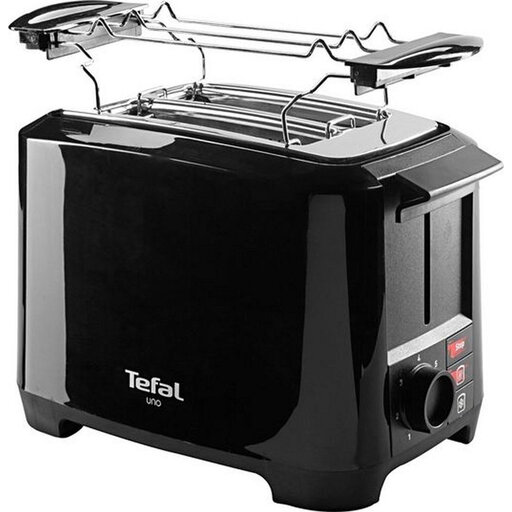
Why it suits this profile: This model has 2 slots, 800 W of power, 7 browning settings, a stop button and a crumb tray. It’s well suited to everyday use and simple to operate.
The adjustable settings mean you’re not limited to choosing between light and dark. The product information also lists automatic shut-off and a removable crumb tray.
2 slots, 7 browning settings, a warming rack and cord storage, according to the product details.
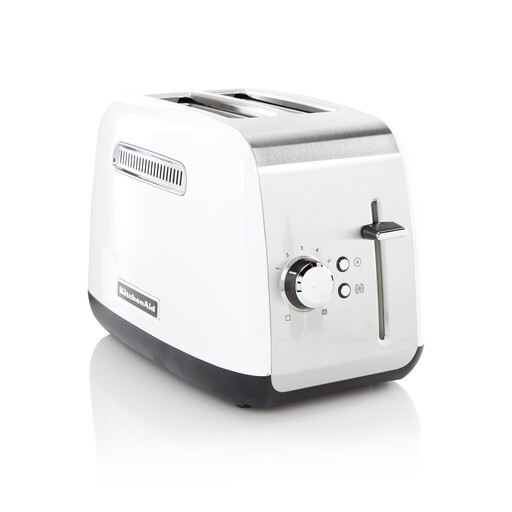
Why it suits this profile: The metal casing, 3,8 cm slots, 5 browning settings, and separate bagel and reheat functions make this a good fit for users who prepare different types of bread.
The slot size is clearly specified, making it easier to judge whether thick slices and bagels will fit. The crumb tray and manual stop button are useful for everyday use.
Extra-wide slots, automatic centring, 5 settings, a bagel function and a high-lift mechanism.
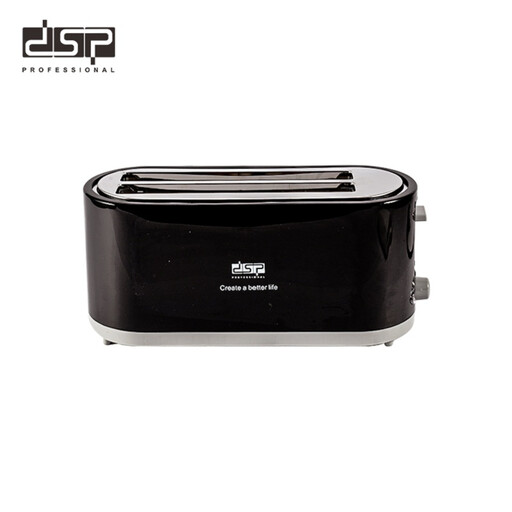
Why it suits this profile: With 4 slots and 1.400 W of power, this model is designed for households that need to toast several slices at once. Its 7 settings cater for different preferences.
Its capacity means you won’t need multiple toasting cycles for four people. The product description lists anti-jamming, automatic pop-up and a crumb tray.
4 slots, 7 browning settings, 1.400 W, anti-jamming and integrated cord storage.
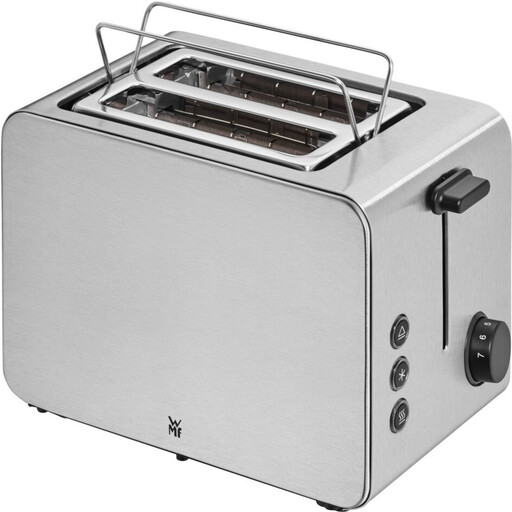
Why it suits this profile: This stainless steel toaster combines 2 slots with 7 browning settings, a warming rack, and bagel, defrost and reheat functions.
The functions are clearly specified and complemented by a removable crumb tray. So you don’t have to rely on vague claims such as “versatile”.
7 settings, bagel mode, defrost, reheat, warming rack and cord storage.
We’ve put together a full, up-to-date list of products that meet these strict selection criteria and comply with current European safety regulations.
Common models for everyday use range from around 600 to 1.400 W. Don’t just look at the wattage; consider the number of slots, browning settings and functions too. Higher power may mean faster heating, but it isn’t the only factor that affects how evenly the bread toasts.
First, unplug it and let it cool completely. Empty the crumb tray regularly and wipe the outside with a slightly damp cloth. Never immerse the toaster, cord or plug in water. Don’t use a knife or metal object to remove stuck bread.
Its lifespan depends on how often you use it, how well you maintain it and the materials it’s made from. Emptying the crumb tray regularly, not overloading the appliance and avoiding sharp bends in the cord can help reduce wear. When buying, also check the warranty and legal conformity information. In the EU, consumers are generally entitled to a legal guarantee that reflects what can reasonably be expected of the product.
