
Vandaag of morgen in huis

Kwaliteit gegarandeerd

Welkomstaanbiedingen ontgrendelen: GRATIS bezorging | Tot 80% korting | Gratis 30 dagen JoyPlus-proefperiode
Download de app
Buying tissues might seem straightforward, until you have to choose between facial tissues, paper handkerchiefs, tissues in a dispenser box or multi-purpose paper. A low price doesn't always tell you much about how useful they'll be, either. A pack might look cheap, but could contain very few sheets or tear easily when damp.
For households, families, offices and people who are often on the go, the choice really comes down to softness, strength, absorbency, material and packaging. These checkpoints will help you avoid a bad buy and find paper that suits your needs.
A family pack with thousands of sheets might seem like great value, but you should also check the number of packs, the sheet dimensions and the number of plies. 90 small sheets per pack offer a very different experience to 150 larger ones. So compare the price per sheet rather than just the total price.
Soft tissues are lovely for your face, but softness alone doesn't tell you much about resistance to tearing. For dealing with moisture, spills or cleaning tasks, 3- or 4-ply tissues are often more practical than thin paper. Also check whether the product description explicitly mentions wet strength.
Terms like "green", "natural" or "sustainable" are only useful if there's verifiable information to back them up. Look at the stated material, certification marks and origin details on the packaging. With FSC-certified tissues, you should check what proportion of the fibres falls under the FSC Mix label. A brand's own product claim is not independent proof of a particular environmental performance.
For facial tissues and everyday use, soft tissues with three plies are often a practical middle ground. Four plies can offer extra thickness and strength, but they also take up more space in a dispenser box or storage area.
If you're looking for tissues to take on the go, you'll usually find small packs more useful than large boxes. Pocket tissues fit in a jacket pocket, handbag or school bag. Just check how many sheets are in each mini-pack.
For light cleaning tasks, drying hands or soaking up liquid, strong absorbent paper is more suitable than standard facial tissue. Product descriptions may indicate that the paper can be used when wet or is less prone to fraying. Treat this as a product specification, not a guarantee for every application.
Don't automatically use tissues as a substitute for kitchen roll. Kitchen roll is generally designed for larger amounts of moisture and bigger surfaces. For heavy cleaning jobs, larger, 3-ply rolls can be more practical.
Many products are made from virgin wood pulp, in other words, new wood fibres. Other options include bamboo pulp or cotton. Bamboo tissues are interesting if you're specifically looking for bamboo fibres; check whether the product has been bleached and which certification mark is stated. Cotton tissues feel different to paper and, according to product descriptions, can sometimes be used both dry and damp.
A fragrance-free option is a sensible choice for people who don't want perfume in their paper handkerchiefs. Scented tissues, on the other hand, contain fragrance ingredients; so read the ingredient information and warnings on the product page.
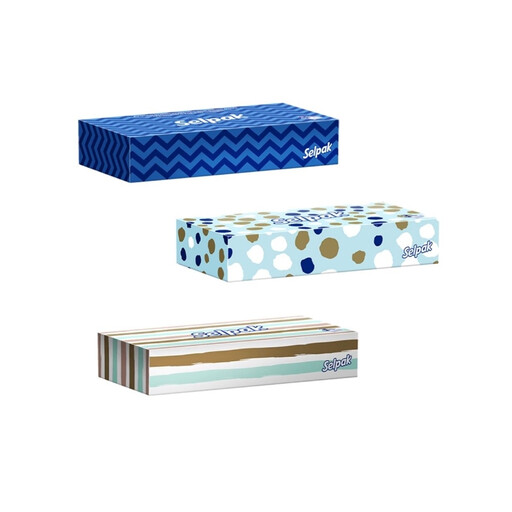
Why this fits the profile: A straightforward pack of 50 sheets for anyone who wants to try a compact quantity first, or needs tissues for the office, kitchen or bathroom.
The number of sheets, size of 20 × 25 cm and material of 100% pure wood pulp are clearly stated, so you don't have to rely on a general quality claim alone.
50 sheets, multi-purpose use and, according to the product description, chlorine-free.
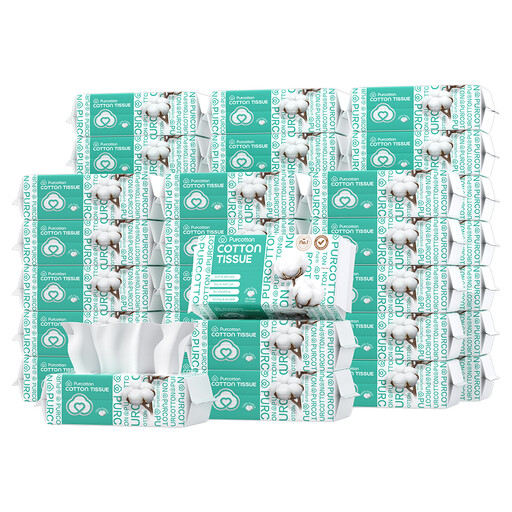
Why this fits the profile: For households that want a large stock and are specifically looking for cotton rather than standard paper fibres.
The product description states 100% cotton, various pack sizes and use for both dry and damp wiping. Check which variant you're ordering before you buy.
Value pack with 40 packs and, according to the product information, 100% cotton; do not flush down the toilet.
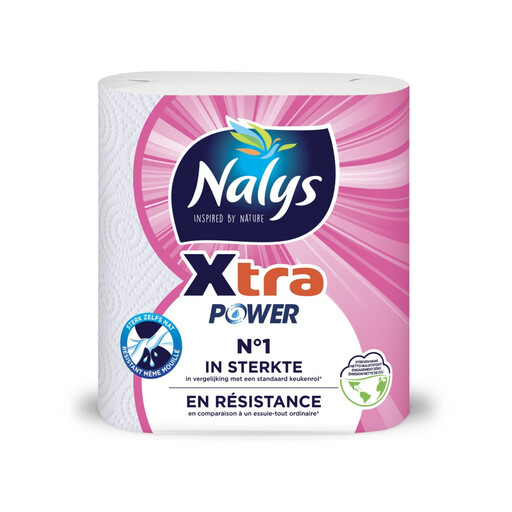
Why this fits the profile: Suitable for the kitchen, workshop or household where paper regularly gets wet and needs to handle multiple tasks.
The description explicitly mentions use when wet, absorbency and less fraying. This makes the function clearer than a general claim about "strong paper".
Two rolls, multi-purpose use and, according to the product description, resistant to use when the paper is wet.
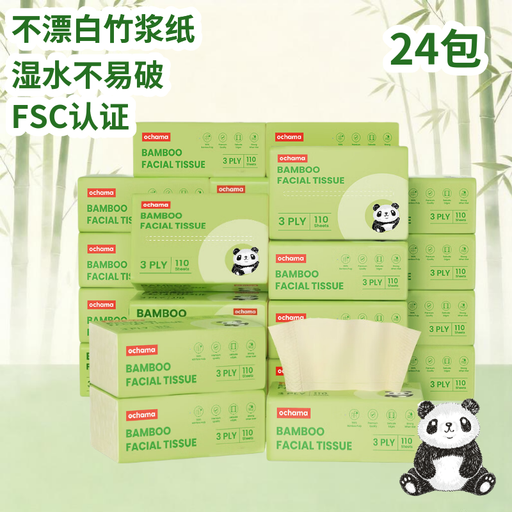
Why this fits the profile: A large stock for families, office spaces or multiple rooms in the house, with bamboo pulp as a specific material.
The product states 24 packs of 110 sheets, three plies and 100% virgin bamboo pulp. The FSC-certified claim is in the product name; check the packaging for the current certification details.
2640 sheets, three plies and, according to the product information, suitable for both dry and damp use.
We've put together a full, up-to-date list of products that fully meet these strict selection criteria and comply with current European safety regulations.
Choose a tissue for on the go in a compact pocket pack with a sturdy outer wrapper. Pay attention to the number of sheets per pack and the size. Small packs are handy for a jacket pocket, bag, car or school, whereas a family pack is better suited for home use.
Paper tissues don't usually have a short shelf life, but moisture and heat can affect their quality. Store unopened packs in a dry place, out of direct sunlight and away from a damp sink. Always follow the expiry or storage information on the packaging.
A family pack can lower the price per sheet, but only if you use the stock within a reasonable time and can keep it dry. For a small household or occasional use, individual packs can be more practical. Compare the total number of sheets, the number of plies and the price per sheet before you order.
