
Vandaag of morgen in huis

Kwaliteit gegarandeerd

Welkomstaanbiedingen ontgrendelen: GRATIS bezorging | Tot 80% korting | Gratis 30 dagen JoyPlus-proefperiode
Download de app
When you’re buying tissues for everyday use, it’s natural to look first at the price and the number of packs. That seems logical enough, but the total sheet count doesn’t tell the whole story. A bulk pack can actually be less economical if the sheets are small, thin or quickly become soggy. What’s more, facial tissues, paper handkerchiefs and toilet paper are often used interchangeably, even though they don’t always share the same properties.
As Joybuy’s Product Recommendation Officer, I’ve filtered the most important product information down to the practical details. That way, you can see more quickly which choice suits your household, your usage habits and your budget.
A family pack of tissues with 2,400 sheets sounds appealing, but you should also check:
A 2-ply sheet, for example, can feel quite different from a 3-ply or 4-ply sheet. So don’t just compare the total quantity – also consider what you’ll be using them for.
Soft tissues are lovely for your face, but not every facial tissue is designed to be flushed down the toilet. Paper handkerchiefs and facial tissues should usually go in the bin. Toilet paper, on the other hand, is made for bathroom use, although thicker varieties can cause problems with older or narrower pipes.
Words like “skin-friendly” or “gentle” aren’t automatically a guarantee for every user. Look for verifiable features such as unscented, the type of material and any additives. If you’re sensitive to fragrances, an unscented product is the obvious choice. A product with a floral scent may be less suitable for someone who prefers to avoid perfume.
The number of plies gives you a first indication of thickness and strength:
More plies don’t automatically mean more comfort. Sheet size, embossing, fibre structure and moisture resistance all play a part too. With toilet paper, always check the instructions on the packaging and what your drainage system can handle.
Virgin wood pulp is a widely used raw material for facial tissues and toilet paper. Products made from bamboo pulp are often chosen by shoppers looking for an alternative to traditional wood pulp. With bamboo tissues, look for the words unbleached and any certification.
Cotton facial tissues are a different category altogether. They feel different from paper and, according to the product information, can be used either dry or damp. They should not be flushed. For every variant, check the composition and usage instructions rather than just the material name on the front.
An FSC-certified product refers to fibres from sources that fall within the FSC system. Check that the claim actually appears in the product information. Some items come in paper packaging, while others are wrapped in plastic.
For everyday family use, packs of 8, 12, 20 or 24 are practical, but always store tissues in a dry place. Dampness can affect the structure and how pleasant they are to use.
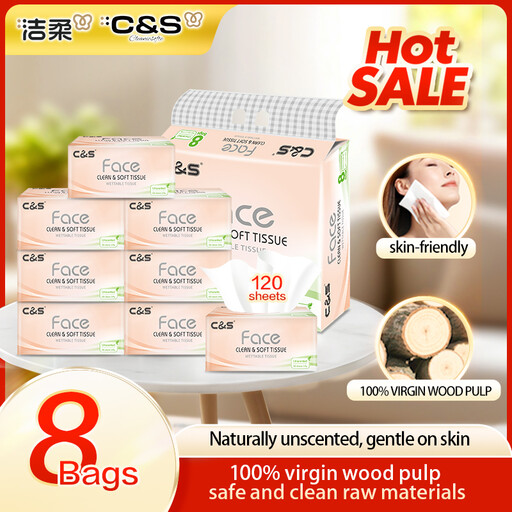
Why this fits the profile: The pack contains 8 packs of 120 sheets, making it ideal for households that use facial tissues regularly.
The total of 960 sheets makes the contents easy to assess. The information also states 3 plies, a size of 195 × 133 mm and no fragrance.
3-ply structure, 120 sheets per pack and 8 packs in a family pack. According to the product information, the material is 100% virgin wood pulp.
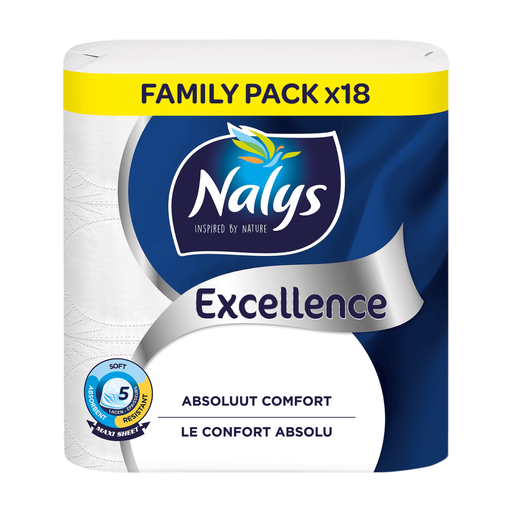
Why this fits the profile: This option is designed for those who prioritise multiple plies, larger sheets and a sturdy structure in their toilet paper.
The product information specifically mentions 5 plies, large sheets and a pack of 18 rolls. That means you don’t have to rely solely on terms like “extra soft”.
5-ply toilet paper, maxi sheets and paper packaging. The description “100% pure cotton fibres” is a product specification from the supplier.
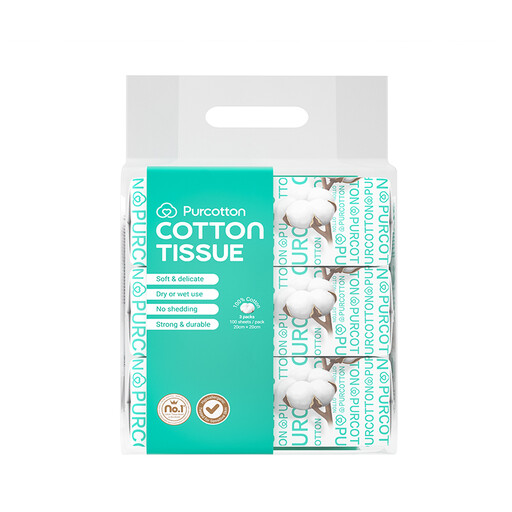
Why this fits the profile: These cotton facial tissues are designed for facial cleansing, make-up removal, baby care and use either dry or damp.
The product information clearly states cotton as the material and indicates that the tissues should not be flushed. This prevents them being mistaken for toilet paper.
3 packs with 300 sheets in total, and according to the product information, free from fragrance, alcohol, plasticisers and fluorescent whiteners.
We’ve put together a full, up-to-date list of products that fully meet these strict selection criteria and comply with current European safety regulations.
Never use tissues as a substitute for wet wipes, medical products or cleaning cloths unless the packaging says otherwise.
Paper tissues generally remain usable as long as they are kept dry, clean and well sealed. For products with a stated shelf life, check the packaging. Don’t store a bulk pack for a long time in a damp bathroom.
Not necessarily. Work out the price per sheet, per roll or per 100 sheets, and also compare the number of plies and the sheet size. A slightly more expensive 3-ply pack can be more practical to use than a larger pack with smaller or thinner sheets.
Usually not. Facial tissues and paper handkerchiefs are often stronger or made differently from toilet paper and can cause blockages. Put used facial tissues in the bin, unless the product information explicitly says otherwise.
