
Same-day & Next-day Delivery

Quality Guaranteed

Unlock Your Welcome Offers: FREE Delivery | Up to 80% OFF | Free 30-day JoyPlus trial
Download the APP
If you want to buy tinned goods, you will quickly come across a wide range of options: from tinned food and diced tomatoes to Turkish preserves, Asian canned goods and ready meals. Comparing products online is useful, but packaging and marketing copy can conceal important differences.
For example, a low price does not tell you much if you are mainly buying water or sauce. And a long shelf life does not automatically make a product suitable for your cupboard. By checking the ingredients, weight and storage information carefully, you can make a choice that better suits your household, cooking style and budget.
With tuna, fruit and vegetables, some of the contents consist of water, syrup or oil. Net weight is the total weight, including the liquid. Drained weight tells you how much product remains after the liquid has been removed.
This difference matters when comparing prices. A tin of tuna in water may appear attractively priced, for example, but check whether the stated weight refers to the entire contents or the drained product.
Words such as authentic, pure or natural do not automatically describe the sugar, salt or fat content. Always check the ingredients list and the nutritional table per 100 g or 100 ml.
With tinned fruit, syrup can increase the sugar content. In beans in sauce, tinned meat and ready meals, salt, oil and added sugars may make up a larger proportion than you expect.
Not every long-life product should be stored in the same way. Check whether the product needs to be kept unopened in a cool, dry place, stored in the fridge or refrigerated immediately after opening. The information on the packaging takes priority, especially when an online product description provides general storage information.
Do not use a tin or jar with a bulging lid, leakage, severe dents or other damage. Preferably store opened contents in a suitable, sealed container and follow the instructions on the label.
Ingredients are listed in descending order by weight. If sugar, oil or salt appears near the beginning, it makes up a relatively large proportion of the product. Also check for allergens such as fish, gluten, soya and milk.
Examples:
A halal, vegan or organic claim should be clearly recognisable on the packaging or in the official product information. Do not treat marketing copy as a substitute for the label.
Choose the size according to how you intend to use it. A 400 g tin is suitable for a sauce or stew for several people, while smaller packs are useful when you want to avoid having much left over.
Pay attention to:
A large tin may be cost-effective for families, but less practical if you cannot use the product quickly. For a smaller household, portion packs may sometimes be easier to manage, even if the price per kilogram is slightly higher.
A ‘best before’ date provides information about the expected quality when the product is stored correctly. The exact date and any guidance on how long to use the product after opening can be found on the packaging. Store cupboard products in a dry place, away from direct sunlight and not next to a heat source.
Create a simple stock rotation system at home: put newly purchased tinned goods at the back and use older products first. This helps prevent unused tins from being forgotten.
The selection below is based on verifiable information such as contents, ingredients, possible uses and storage details. Always check the current label when your order arrives.
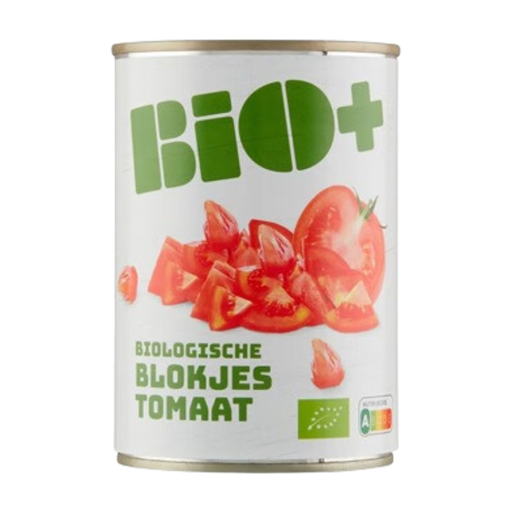
Why it suits this profile: A familiar staple for pasta, soup and stews. The 400 g pack is a manageable choice for building your first store cupboard.
The product information lists tomatoes, tomato juice and citric acid. This makes it easy to compare the ingredients with variants containing added sugar, herbs or oil.
400 g contents; 65% tomatoes according to the product information; suitable for sauces, soups and stews.
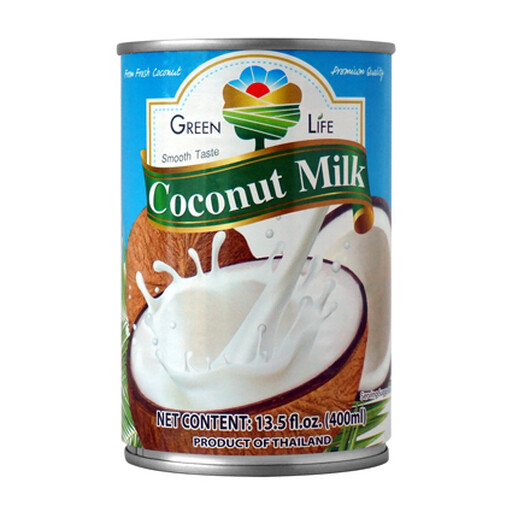
Why it suits this profile: Ideal for anyone who wants to combine Asian recipes, curries, soups, desserts or plant-based cooking with a well-stocked cupboard.
The 5–7% fat content is clearly stated. This means you do not have to rely solely on descriptions such as creamy or authentic.
400 ml; vegan, lactose-free and gluten-free according to the product description; contains coconut extract, water and guar gum.
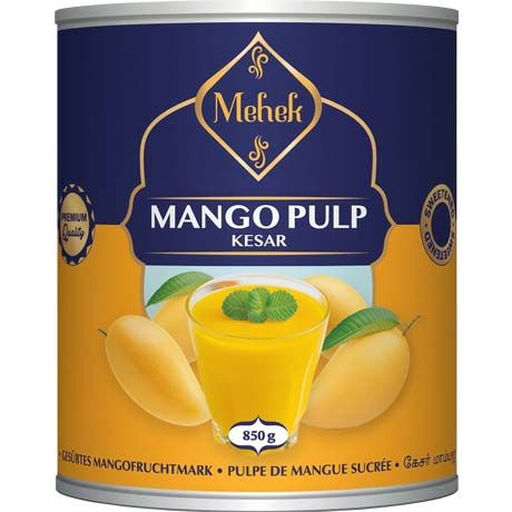
Why it suits this profile: A generous pack for fans of mango lassi, desserts, smoothies and baking recipes who use this ingredient regularly.
The 850 g quantity and ingredients, including mango pulp, sugar and citric acid, are clearly stated in advance. According to the description, the product should be refrigerated after opening and used within 5–7 days.
850 g; smooth pulp; suitable for drinks, desserts and baking recipes. Note the sugar content of 18 g per 100 g according to the product information.
We have put together a complete, up-to-date list of products that fully meet these strict selection criteria and the applicable European safety regulations.
A practical basic stock could include:
Do not buy solely based on discounts. Compare the price per 100 g or per litre, check the usable quantity and, above all, choose products for which you already have a few recipes in mind.
This varies by product and packaging. When stored correctly, unopened tinned goods often remain good for a long time, but the date on the label is the deciding factor. Throw a product away if the tin is bulging, leaking or badly damaged.
Usually, yes, but follow the specific instructions on the packaging. Preferably transfer opened contents to a sealed container and use them within the stated period. Do not leave leftovers in an opened tin for an extended period.
This depends on the size, brand, drained weight and special offers. Long-life food can help reduce waste because it can be stored for longer, but always compare the price per usable quantity. A product containing a lot of sauce or syrup is not directly comparable with a drained product.
