
Same-day & Next-day Delivery

Quality Guaranteed

Unlock Your Welcome Offers: FREE Delivery | Up to 80% OFF | Free 30-day JoyPlus trial
Download the APP
Buying tinned food seems simple: choose a tin, check the price and add it to your basket. But there are significant differences in ingredients, portion size, storage and how products can be used. If you only look at the front of the packaging, you may end up paying for syrup, sauce or packaging rather than the main ingredient.
Use this practical guide to focus on the information that really matters. You can then choose tinned food, canned products, long-life foods and international tins with confidence.
A 400 or 500g tin doesn’t necessarily contain that amount of vegetables, fruit, fish or pulses. Some of the weight in tinned fruit and fish may come from water, oil, sauce or syrup. So check:
For example, Eagle-Coin Fresh Fried Dace lists a minimum solids content of 90%, including oil. For fruit in syrup, the proportion of fruit is what matters most.
Words on the front, such as “light”, “packed with goodness” or “authentic”, don’t always give you a clear picture of what’s inside. Check the nutrition table and ingredients list. A fruit cocktail in light syrup may still contain sugar or glucose-fructose syrup. Soup may also contain milk, salt, sausage or other ingredients you’re not looking for.
According to the product information, Unox Pumpkin Red Lentil Soup contains, among other things, 49% vegetables and pulses, as well as milk. That tells you more than the description on the front alone.
Check the allergens in every product, especially tinned fish, Asian tins and products with sauces. Soy, fish, milk, wheat and sulphites may be listed in the ingredients or allergen warning. Always use the current packaging as your guide. Online product information may change or include an older description.
Ingredients are listed in descending order by weight. If sugar, oil or syrup appears near the top of the list, it makes up a relatively large proportion of the product. When choosing:
Where possible, compare nutritional values per 100g. The serving size on the label may differ from the amount you actually eat.
Store unopened tins in a cool, dry place, away from direct sunlight and sources of heat. Before buying, check that the tin or packaging:
Long-life products don’t stay suitable for consumption indefinitely. Follow the date and storage instructions on the packaging. Once opened, the contents usually need to be refrigerated and used within the stated time. If advised on the packaging, transfer opened tinned food to a suitable, airtight container for storage.
A small tin of fish can be handy for one meal, while an 800ml carton of soup may make around three bowls, according to the product information. Think about how you’ll use it before buying:
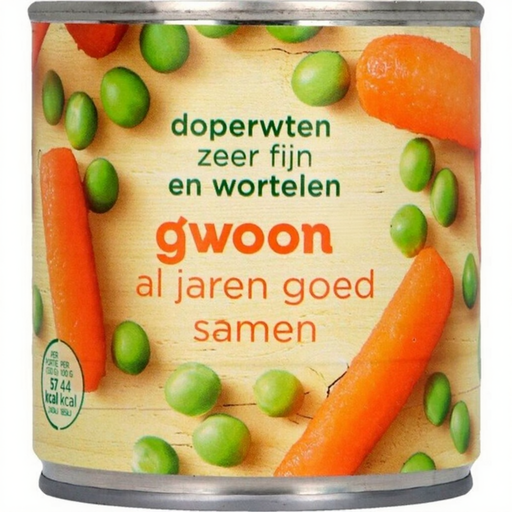
Why it suits this profile: A straightforward combination for a Dutch-style meal, with no sauce or elaborate preparation. The 400g pack is a practical size for a side dish.
The ingredients list is simple: water, peas and carrots. So you’re not paying for syrup, oil or an elaborate sauce.
400g contents, 3.8g of fibre per 100g according to the product information, and none of the 14 main EU allergens listed.
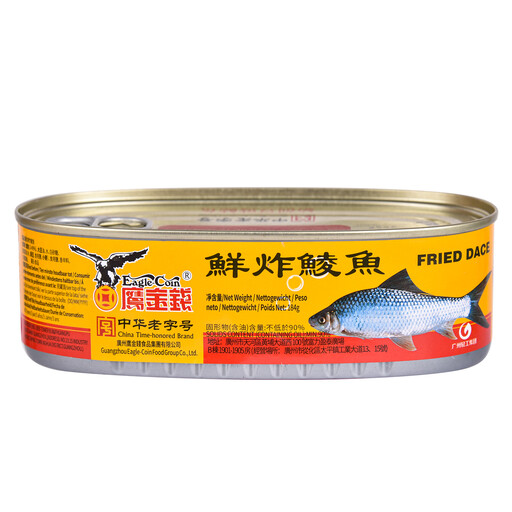
Why it suits this profile: For anyone looking for a Cantonese speciality with a clear fish component and a distinctive preparation style.
The label states that it contains at least 49% dace and a minimum of 90% solids, including oil. Fish, soy and gluten are also clearly listed as allergens.
184g contents, ready to serve and delicious with rice, noodles or stir-fried vegetables.
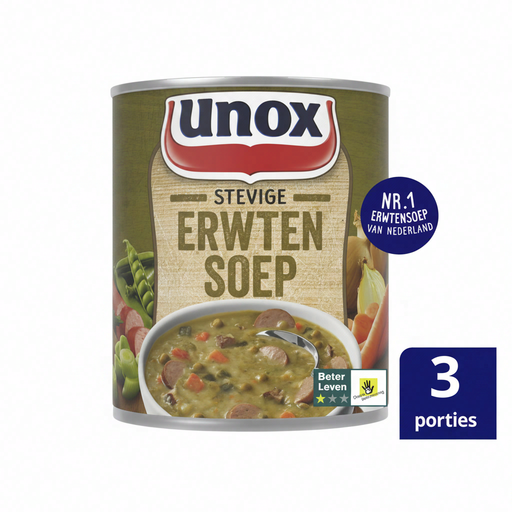
Why it suits this profile: Handy for families or busy days when you want to serve several bowls of soup without measuring out separate ingredients.
The product information states that it contains 67.6% vegetables and gives instructions for heating it in a pan or microwave. So you know what you’re buying and how to prepare it.
800ml contents, described as enough for three bowls, and made with peas, carrot, leek, onion and celery leaves.
We’ve put together a complete, up-to-date list of products that meet these strict selection criteria and current European safety regulations.
Shelf life varies by product and packaging. Check the date on the tin or jar and store the product as instructed. Don’t use packaging that is damaged, leaking or swollen. Once opened, the contents usually need to be refrigerated and used soon.
It depends on the price per 100g, the drained weight and the proportion of water, oil or syrup. So don’t compare the price per pack alone. Long-life products can be a practical choice when buying several packs or stocking up, but always check the final price per kilogram.
Check the type of fish or vegetables, the percentage of the main ingredient and the allergens. Asian tins often contain soy, wheat, fish and, sometimes, flavour enhancers. Also check whether the product is ready to eat or intended to be used as part of a dish.
