
Vandaag of morgen in huis

Kwaliteit gegarandeerd

Welkomstaanbiedingen ontgrendelen: GRATIS bezorging | Tot 80% korting | Gratis 30 dagen JoyPlus-proefperiode
Download de app
Whether you need to measure your child's fever, find the perfect core temperature for your steak, or optimise the climate in your living room, a reliable thermometer is indispensable. But the market is flooded with options. Buying a thermometer seems simple—until you're faced with vague claims and features that sound better than they are. Many consumers fall into the same traps, ending up with an inaccurate or impractical device.
As a Joybuy Product Recommendation Officer, I'll help you cut through the marketing jargon. We'll look at the most common purchasing mistakes and the specifications that truly matter.
Before you make a choice, it's wise to know where things often go wrong. This will prevent you from wasting money on a device that doesn't deliver on its promises.
To avoid a bad purchase, focus on the specifications that are important for your intended use. Here are three key points to base your choice on.
The type of thermometer depends entirely on what you want to measure. The main categories are:
The specifications tell you a lot about performance. For a fever thermometer, a deviation of ±0.2°C to ±0.3°C is a standard value for reliable models. For a meat thermometer, not only accuracy but also response time is important. An "instant-read" thermometer that displays the temperature within 1-3 seconds is much more practical than a model that takes 10 seconds. For medical devices, always look for the CE marking, which indicates that the product meets European safety standards.
Modern thermometers offer more than just a temperature display. Consider:
Based on objective specifications and use cases, we have selected a number of products that suit different needs.
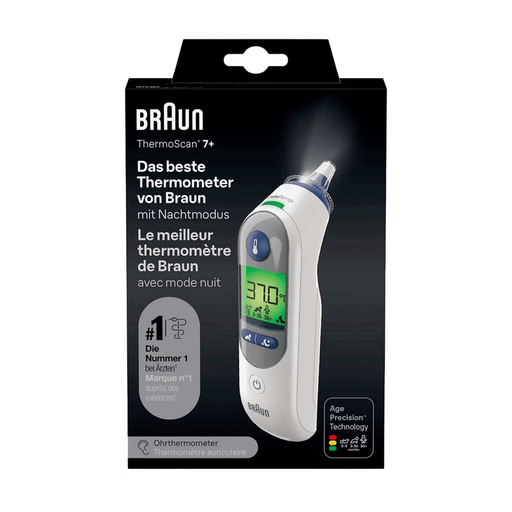
Why This Fits Their Persona: For parents who want a fast, reliable, and user-friendly way to measure fever, especially in young children. The reading is ready in a second, and the device is designed for comfort.
This is a specialised ear thermometer, not a vague "all-in-one." It is specifically designed for accurate fever measurements, which reduces the risk of misinterpretation.
The Age Precision technology helps interpret the measurement based on age. The pre-warmed tip and disposable lens filters ensure hygiene and consistent results.
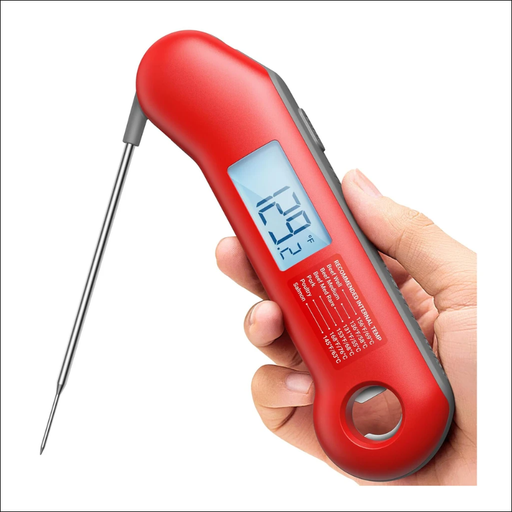
Why This Fits Their Persona: Ideal for the serious home cook or BBQ griller who demands precision and speed. Perfect for quickly checking the doneness of a steak or the temperature of frying oil.
This model tackles the pitfall of poor build quality. Its IP67 waterproof rating means you can rinse it without worry, significantly extending its lifespan.
According to the manufacturer, it reads the temperature within 0.5 seconds. The auto-rotating display is convenient for both left- and right-handed users, and the magnetic back makes storage easy.
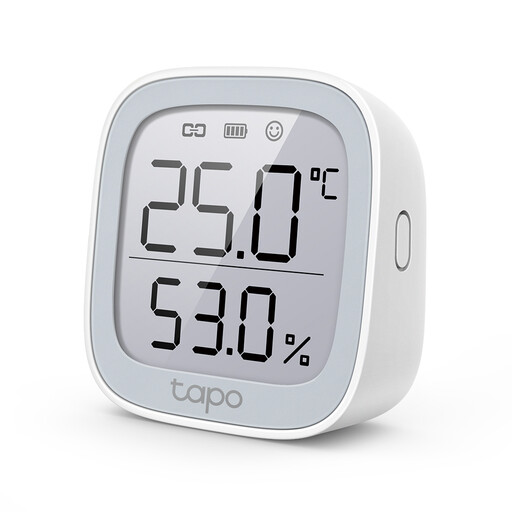
Why This Fits Their Persona: For those who want to do more than just measure. This sensor integrates with the Tapo smart home ecosystem to automatically turn on a fan or humidifier, for example.
This is a pure indoor thermometer and hygrometer. It doesn't try to measure fevers or food, but focuses on accurately monitoring the indoor climate, which enhances its reliability.
The energy-efficient 2.7" E-ink display is clearly legible from any angle. The app offers free data storage and the ability to receive notifications if values fall outside the set range. Note: A Tapo Hub is required.
We have compiled a complete, up-to-date list of products that fully meet these strict selection criteria and local regulations.
Always check if the device has a CE marking. For home use, consistency is key. Measure your temperature a few times when you are healthy to establish a personal baseline. Follow the user manual carefully, such as ensuring correct placement in the ear or on the forehead, for the most reliable measurement.
Yes, a kitchen thermometer is often also suitable for measuring the temperature of hot oil, sugar syrup for candy, or baby food. However, always check the thermometer's measurement range. Never use a thermometer that has been in contact with raw meat for other purposes without thoroughly cleaning and disinfecting it, and never use it for medical measurements.
A thermometer measures temperature. A hygrometer measures relative humidity. Air that is too dry or too humid in your home can affect your comfort and health. Many modern indoor thermometers, such as the smart models from TP-Link Tapo, combine both functions in one device.
