
Vandaag of morgen in huis

Kwaliteit gegarandeerd

Welkomstaanbiedingen ontgrendelen: GRATIS bezorging | Tot 80% korting | Gratis 30 dagen JoyPlus-proefperiode
Download de app
If you’re looking to buy Thai curry paste for a quick curry, Tom Yum soup or stir-fry, the differences between jars go far deeper than the packaging suggests. One paste is vegan, while another contains shrimp paste or fish sauce. The heat level, salt content and quantity per pack also vary considerably.
So don’t just rely on words like “authentic” or “traditional”. Instead, check the ingredients, allergens, flavour variant and pack size. That way, you’ll avoid buying a large tub that doesn’t suit your diet or how often you cook.
Red curry paste, green curry paste and yellow curry paste each have their own flavour profile. Yet the ingredients can differ from brand to brand. A green paste, for example, may contain shrimp, while another version uses only plant-based ingredients.
Panang curry paste and Massaman paste aren’t simply interchangeable either. Panang is typically spicy and creamy, whereas Massaman often includes spices like cumin, cinnamon and cardamom.
Thai curry paste frequently contains shrimp paste, dried shrimp, fish sauce or anchovy oil. This applies to some red and green varieties too. So always check the actual packaging.
A product description may call the paste vegan, but the ingredients list and allergen information on the label are what really matter. Also look out for warnings about soya, peanuts, sesame and nuts.
Packs of 50 to 95 grams are handy if you want to try a flavour first. Jars of 400 grams, 454 grams or 1 kilogram are better suited to families, meal preppers and professional kitchens. Once opened, curry paste usually needs to be kept refrigerated and well sealed, according to the product information.
So don’t just compare the price per jar – also consider how many meals you’ll get from it and how long it lasts after opening.
Choose your paste based on the dish you want to make:
The label “authentic Thai curry paste” isn’t a quality standard in itself. Look instead for specific ingredients like lemongrass, galangal, garlic, shallot, chilli and kaffir lime.
Check the order of ingredients. Those listed first are generally present in larger amounts. Pay particular attention to:
For example, Mae Ploy Tom Yum Paste 400g lists shrimp paste and fish oil, and contains crustaceans, an allergen. Sunlee Panang Curry Paste 400 g is described as vegan in the product information, but does contain soya and may, according to the label, contain traces of peanuts and sesame.
A practical dosage varies from product to product. For some curries, 50 grams of paste is combined with around 400 grams of coconut milk. Mae Ploy Yellow Curry Paste 1KG, for instance, suggests a preparation method using 50 grams of paste, coconut milk and vegetables, tofu or meat.
With Tom Yum paste, the ratio can be different. According to the product information from Mae Ploy, 50 grams is enough for 600 millilitres of water. When trying a new paste, start with less and add more later. That way, you stay in control of the heat, salt and sourness.
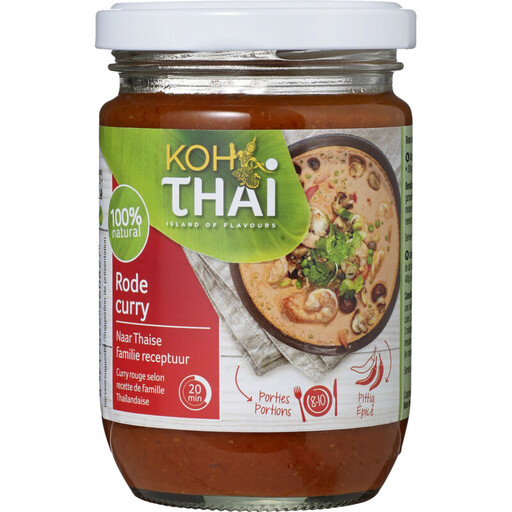
Why it suits this profile: The 225-gram pack is a manageable size for anyone wanting to try making Thai curry without committing to a bulk purchase straight away.
The product information states none of the 14 major EU allergens. However, always check the label on delivery.
Red chilli, lemongrass and galangal; according to the product information, it’s good for around 8 to 10 servings.
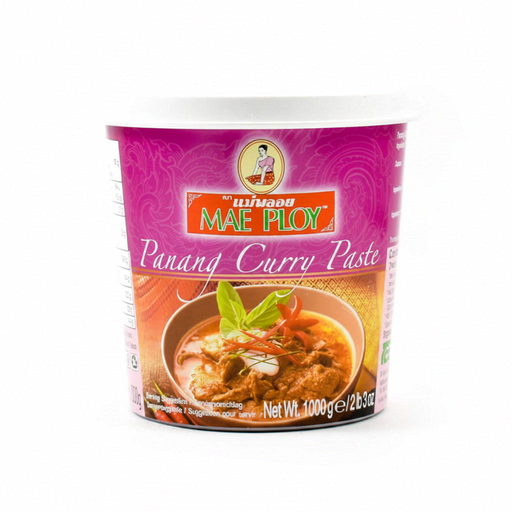
Why it suits this profile: This 400-gram pack is ideal for home cooks who regularly make a creamy Panang curry with coconut milk, tofu, vegetables, meat or seafood.
The ingredients and allergens are clearly listed: the paste contains shrimp, so it’s not suitable for vegan or crustacean-free meals.
Contains, among other things, dried red chilli, lemongrass, shallot, galangal and kaffir lime; the recommended dosage is 50 grams with 400 grams of coconut milk.
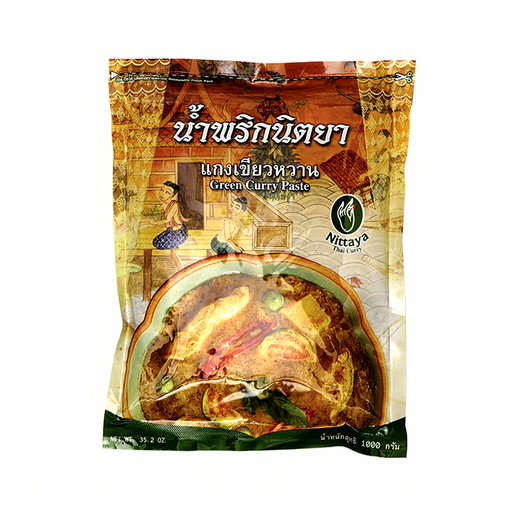
Why it suits this profile: The kilogram pack is aimed at heavy users, catering businesses and households that frequently make green curry or other Asian dishes.
The product information clearly states that the paste contains shrimp paste. That prevents a mistaken purchase for vegan cooks.
According to the product specification, it contains green chilli, garlic, lemongrass, shallot and galangal; suitable for curries and soups.
We’ve put together a full, up-to-date list of products that fully meet these strict selection criteria and comply with current European safety regulations.
For a simple curry, fry the paste briefly in oil to release the aromas. Then add coconut milk and let the mixture heat through gently. Add vegetables, tofu, chicken, fish or meat according to the instructions on the pack.
Thai curry paste is also great for:
Tom Yum paste is used differently from curry paste. Dissolve the paste in water or stock, then add ingredients like mushrooms, prawns, tofu or vegetables. For products containing fish or shellfish, always check the allergen information first.
A red or yellow curry paste in a pack of around 225 grams is a practical place to start. Yellow curry paste is often described as mild in product information. Red paste gives more chilli flavour, but the heat level varies from brand to brand.
That depends on the brand and the packaging. Store opened paste according to the label, usually well sealed in the fridge. Always follow the stated best-before or once-opened information, and don’t buy a pack with a damaged seal.
Only choose a product whose ingredients and allergen information clearly state it is vegan. Avoid pastes with shrimp paste, dried shrimp, fish sauce or fish oil. Product descriptions can change, so check the label again when you receive it.
