
Vandaag of morgen in huis

Kwaliteit gegarandeerd

Welkomstaanbiedingen ontgrendelen: GRATIS bezorging | Tot 80% korting | Gratis 30 dagen JoyPlus-proefperiode
Download de app
Tape may seem like a simple product, but choosing the wrong roll can quickly lead to frustration. A label comes loose, a leak returns or a fixing does not last as long as expected. If you want to buy tape, it is therefore wise to consider the application, surface and conditions first.
A product description containing phrases such as “extra strong” does not automatically mean that the tape is suitable for your surface. Dust, grease, moisture, temperature and a rough texture all affect adhesion. Mounting tape for a smooth wall, for example, works differently from butyl tape for a roof edge.
Not every self-adhesive tape can withstand rain, UV radiation or temperature fluctuations. For outdoor use, check whether the product information mentions water resistance, weather resistance or a temperature range. When using tape for repairs, preparing the surface properly is also important.
Narrow label tape is practical for folders and cables, but not for wide markings. For artificial grass tape, sealing or anti-slip tape, you will often need a wider roll. Also check how many metres you will actually receive. A pack containing several rolls may seem like good value, but it does not always match the required quantity or printer.
Choose the material based on its intended use:
Always check the width, length and thickness. A roll 50 mm wide is useful for wider seals and joins. For joining artificial grass, rolls measuring 5 cm x 10 m are available, while label tape is often 6, 12 or 24 mm wide.
With thick tape, consider how much space will remain available after installation. With double-sided nano gel tape, the thickness can affect how tightly an object sits against the wall or surface.
For good adhesion:
For butyl tape, the product information may state, for example, that the surface must be clean and dry and that the tape should not be exposed to rain immediately after application. Do not use this tape as electrical insulation if the manufacturer excludes this use.
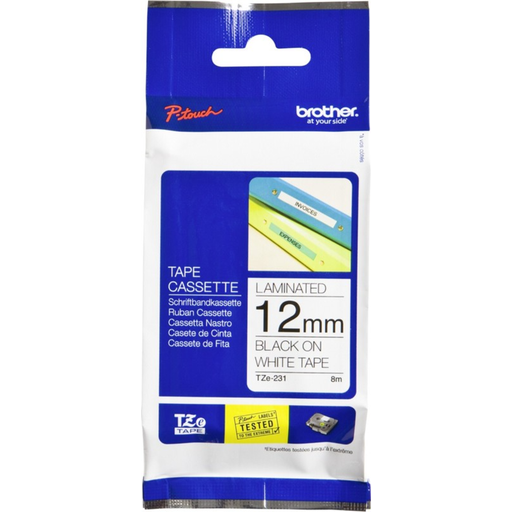
Why it suits this profile: A practical choice for the home, office and organising folders, cables and storage boxes. The tape is 12 mm wide and 8 m long.
The laminated TZe construction means you are not relying solely on a loose printed layer. However, check beforehand whether your Brother P-touch model is compatible.
Black text on white, 12 mm wide, 8 m long and suitable for various Brother label printers according to the product information.
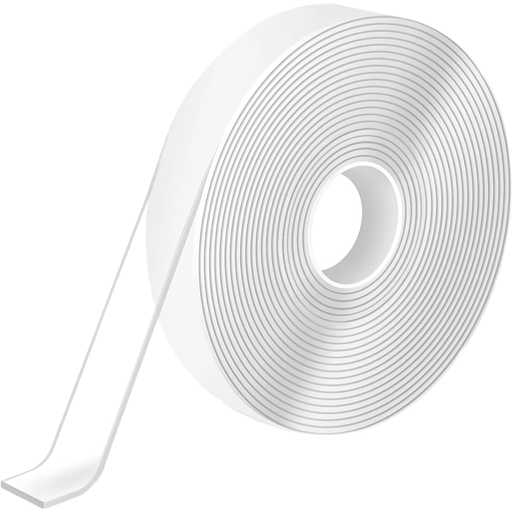
Why it suits this profile: Handy for decorations, cables, photo frames and lightweight accessories where transparent, double-sided mounting is preferred.
According to the product information, the tape is washable and reusable. Always test a small area first, especially on painted or delicate surfaces.
Transparent, 3 m long, 1.3 cm wide and designed for removal without visible adhesive residue, according to the product description.
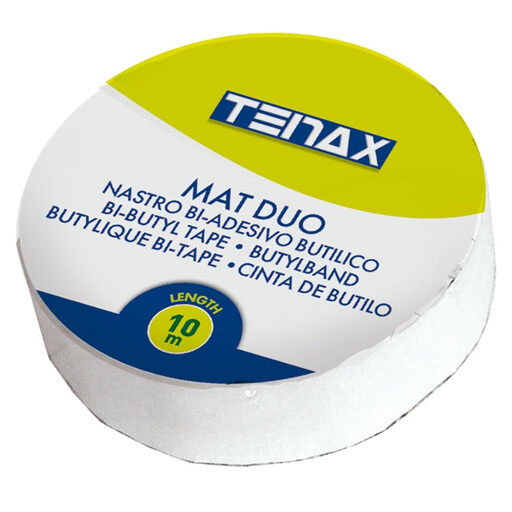
Why it suits this profile: Designed for joining rolls of artificial grass, making it suitable for DIY enthusiasts and installers who need a wide joining strip.
This is not general-purpose mounting tape, but a product for a specific application: joining artificial grass. The polyester mesh is included in the product information.
Double-sided butyl tape, 5 cm wide, 10 m long and 2 mm thick, intended for joining rolls of artificial grass.
We have compiled a complete, up-to-date list of products that fully meet these strict selection criteria and the applicable European safety regulations.
Butyl tape is often used for sealing because the material is flexible and, according to the product information, can adhere to various surfaces. Always check the surface, temperature range and instructions. Do not apply the tape to a wet or dirty surface.
Remove grease and dust from the surface, use enough contact area and press the tape down evenly. With heavier objects, check whether the product information specifies a suitable application. When working with paint, wallpaper or delicate materials, test the tape on an inconspicuous area first.
This depends on the type of tape, the surface and the conditions. Laminated label tape is designed to protect the printed layer, but adhesion can vary due to moisture, heat, UV light and dirt. Allow labels to bond properly to a clean, dry surface first and follow the printer manufacturer’s compatibility information.
