
Vandaag of morgen in huis

Kwaliteit gegarandeerd

Welkomstaanbiedingen ontgrendelen: GRATIS bezorging | Tot 80% korting | Gratis 30 dagen JoyPlus-proefperiode
Download de app
Buying syrup seems straightforward, until you have to choose between fruit syrup, squash, coffee syrup and sweeteners for desserts. An attractive bottle tells you little about the flavour, ingredients or quantity you are actually getting. Use these practical checks to avoid a disappointing purchase and find a syrup that suits your household, recipe or drink.
Don’t just compare the number of millilitres. Also check the dilution ratio and the number of servings. For example, according to the product information, Slimpie Lemon Syrup 650 ml is diluted at a ratio of 1 part syrup to 11 parts water. This means that one bottle can make almost 8 litres of squash, according to the description. A smaller bottle with a more intense flavour may therefore be more practical than a large bottle that needs to be used generously.
Always check the ingredients list. Some fruit syrups contain fruit juice or purée, while others mainly consist of sugar, water, flavourings, colourings and sweeteners. For example, JENI Strawberry Syrup lists strawberry purée, as well as fructose, sucrose, flavouring, sweetener and colouring. JENI Mango Syrup lists mango juice, sugars, flavouring and acesulfame-K, among other ingredients.
Also check for allergens. According to the product information, Douwe Egberts Hazelnut Coffee Syrup contains hazelnuts. A product with no declared allergens is not automatically suitable for every individual situation, so always read the current packaging before use.
Squash is usually intended to be diluted with water or sparkling water. Coffee syrup is formulated for hot drinks and desserts. A thick sweetener such as Korean corn syrup, on the other hand, is designed for use in marinades, glazes and stir-fries. So don’t simply use fruit syrup in a recipe where texture, heat resistance or stickiness is important.
First decide what you need the syrup for:
Rose syrup adds a floral aroma to milk-based drinks, desserts and cocktails. Ginger syrup is better suited to sauces, cheese, desserts and hot or cold drinks. Mango syrup, strawberry syrup and peach syrup are easy-going flavours for squash and celebratory mixed drinks.
If you want to reduce your sugar intake, consider a sugar-free syrup. Slimpie Raspberry Syrup lists 0 grams of sugar and 0 kcal per 100 ml and uses sucralose and acesulfame-K, among other ingredients. According to the product information, Slimpie Orange Raspberry Syrup is also offered as a sugar-free, low-calorie option.
Always check the specific ingredients in sweeteners. Canderel Scoop Sweet contains aspartame and acesulfame-K and states that it contains a source of phenylalanine. If you prefer a plant-based liquid sweetener, you could consider agave syrup or carob syrup. According to the label, Melvita Agave Syrup Dark consists of agave syrup and has a dark, caramel-like flavour. According to the product information, Sera Keciboynuzu Pekmezi contains only carob and water.
“Sugar-free”, “vegan” or “gluten-free” describes a particular characteristic, but does not mean that a product is suitable for every dietary preference. Check the packaging and nutritional information before placing your order.
A syrup bottle should seal securely, particularly if you use it regularly. After opening, check the storage instructions. Different products need to be stored in a cool, dry place; some squashes must be refrigerated after opening. Also check:
The nutritional values below are based on the product information provided. Labels may change, so use the packaging as the current source of information.
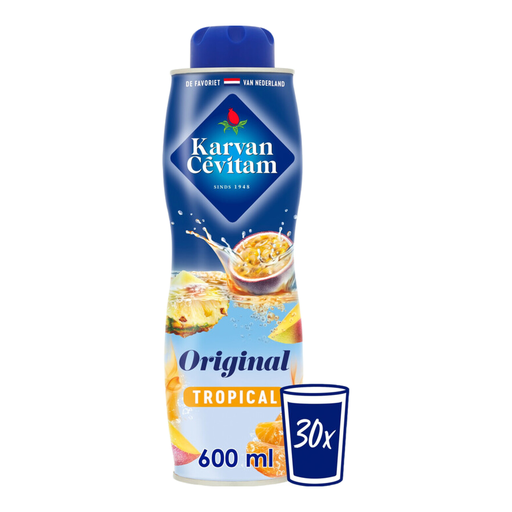
Why it suits this profile: The tropical fruit flavour is ideal for families who want one bottle for squash, sparkling water and mocktails. According to the product information, the dilution ratio is 1 part syrup to 9 parts water.
The product information states both the dilution ratio and the expected number of glasses, making it easier to compare the contents.
Tropical fruit blend with apple, mandarin, pineapple, mango and passion fruit; according to the description, one bottle makes up to 6 litres of squash.
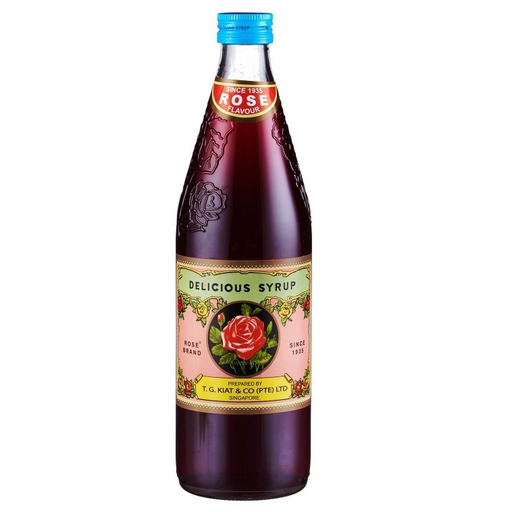
Why it suits this profile: This rose syrup is for anyone looking for a distinctive floral flavour in milk-based drinks, desserts, cocktails, cakes and creative dishes.
The ingredients list states cane sugar, water, rose flavouring and colourings. This makes it clear that, according to the label, the floral flavour comes from flavouring.
Net contents: 750 ml; according to the product description, suitable for drinks, desserts, cocktails, cakes, ice cream and savoury dishes.
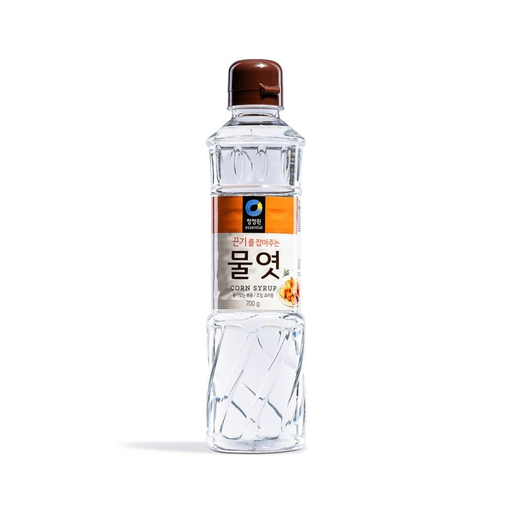
Why it suits this profile: This corn syrup is designed for cooks who regularly make Korean marinades, glazes, stir-fries or traditional desserts.
Its intended use is clearly cooking and finishing, not just making squash. This prevents you from buying a drink syrup for savoury recipes.
Net contents: 700 g; according to the product description, the syrup gives dishes a sticky texture and glossy finish.
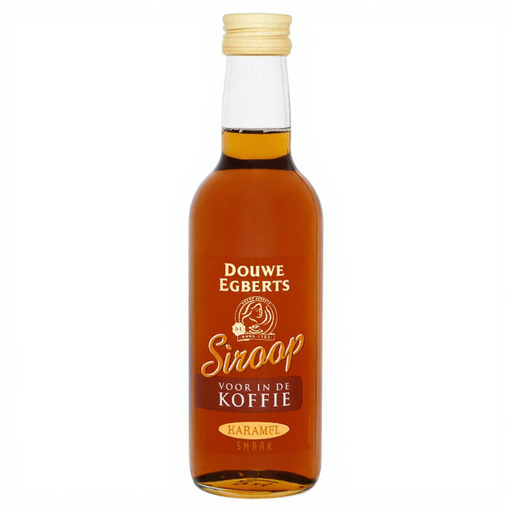
Why it suits this profile: A focused choice for anyone who wants to make black coffee, coffee with milk, espresso or tea with a caramel flavour at home.
The product information gives a clear starting dosage: around one teaspoon for a small mug. This helps prevent you from adding too much.
250 ml bottle; caramel flavour; according to the product information, suitable for coffee, tea and a vegan diet.
We’ve put together a complete, up-to-date list of products that fully meet these strict selection criteria and the applicable European safety regulations.
Choose a squash or fruit syrup with a clear dilution ratio. Karvan Cevitam Tropical is intended for water and sparkling water. Slimpie Lemon and Slimpie Raspberry are options if you want to avoid sugar and calories according to the label. Always check the sweeteners and storage instructions.
This varies by product. Store the bottle according to the label, close it immediately after use and refrigerate squash after opening if instructed to do so. The exact period after opening is stated on the packaging. Do not use a product if the cap, seal or packaging is damaged.
For coffee, coffee syrups such as caramel or hazelnut are practical because they are specially formulated for hot drinks. For desserts, you can also use rose syrup, agave syrup, ginger syrup or carob syrup. Consider the thickness, sweetness and ingredients. For recipes with a distinctive international flavour, ube, black tea and Asian syrups are possible options.
