
Vandaag of morgen in huis

Kwaliteit gegarandeerd

Welkomstaanbiedingen ontgrendelen: GRATIS bezorging | Tot 80% korting | Gratis 30 dagen JoyPlus-proefperiode
Download de app
Buying syrup might seem straightforward, until you have to choose between fruit syrup, squash, coffee syrup, dessert syrup and natural sweeteners. A colourful bottle doesn’t tell you much about the taste, ingredients or whether it’s right for your recipes. If you only look at the price or the packaging, you could end up with a syrup that’s too sweet, doesn’t dissolve properly, or sits unused in your cupboard.
As a Joybuy Product Recommendation Officer, I cut through the marketing jargon and focus on the verifiable information on the label. When comparing syrups, keep these three points in mind.
A strawberry syrup, mango syrup or blueberry syrup can contain sugar, water, flavouring, acidity regulators and colourings. Sometimes fruit purée or juice concentrate is also added. So always check the ingredients list rather than just the flavour name on the front.
For example, JENI Strawberry Syrup lists strawberry purée alongside fructose, sucrose, flavouring, thickener and sweetener. JENI Mango Syrup contains mango juice, but also sweeteners, acidity regulators and colourings. That makes these products useful as flavour enhancers, but not automatically comparable to pure fruit juice.
Maple syrup, agave syrup, honey and fruit syrup differ in origin and taste, but they still typically contain plenty of carbohydrates and sugars. For instance, Melvita Agave Syrup Dark lists 71 grams of sugar per 100 grams. According to the product information, Citadelle Maple Syrup Gold contains 87 grams of carbohydrates per 100 grams.
So look at the nutritional values per 100 grams and your usual serving size. A splash in your coffee is very different from several tablespoons over pancakes.
Squash is usually intended to be diluted with water or sparkling water. Coffee syrup and dessert syrup are designed for coffee, yoghurt, ice cream or baked goods. Glucose syrup, such as Korean corn syrup, has a thicker consistency and is used for shine, stickiness and marinades.
Always use a syrup according to the application stated on the label. Also check whether the bottle needs to be refrigerated after opening and how to avoid contamination.
Read the full ingredients list. Pay attention to the difference between sugar, glucose syrup, fructose, honey and sweeteners. Also check the allergen information, especially if you’re using the syrup for guests or in a catering setting.
Some products state that none of the 14 major EU allergens are present. That’s useful product information, but always check the current packaging. Formulations can change.
Don’t just compare the price per bottle. A 456 ml or 600 g bottle might look like good value, but the real worth depends on the recommended dilution and how concentrated the flavour is. For cafés, bubble tea shops and parties, larger packs are often more practical. For occasional use, a 175 g to 350 g jar might be a better fit.
When buying syrup, also note the volume in millilitres and grams. Sticky products don’t always have the same density as water.
Syrup should usually be stored tightly sealed, in a dry place away from direct sunlight. Some products need to be refrigerated after opening. Check the best-before date on the packaging and don’t use a bottle with a damaged seal.
For honey, there’s an additional note: honey is not suitable for children under 12 months. This is stated on the Manuka honey products in the range, among others.
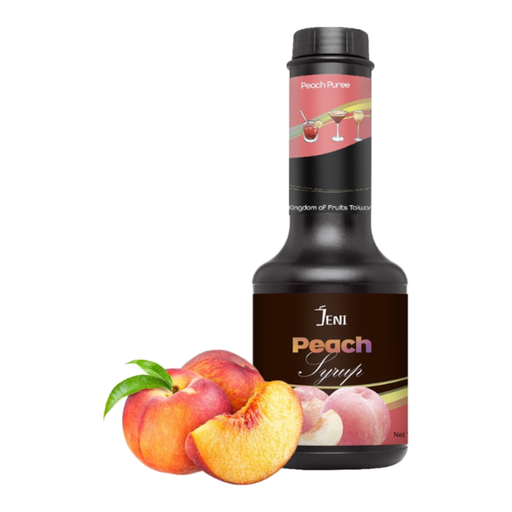
Why it fits the profile: This peach syrup is easy to mix with water or sparkling water and can also be used in cocktails and desserts. That makes it a good first bottle for home use.
The intended use is clearly described. However, do check the label, as the listed ingredients include sugar, flavouring and a preservative.
456 ml volume, peach flavour and suitable for squash, mixed drinks and desserts.
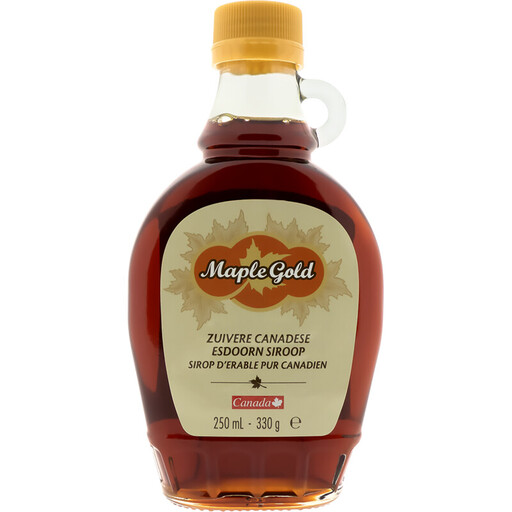
Why it fits the profile: If you value a short ingredients list, this product is 100% natural maple syrup from Canada, according to the product information.
No flavourings or added syrups are mentioned in the ingredients list. Do note the recommended storage: keep refrigerated after opening.
100% maple syrup according to the label; suitable for pancakes and ice cream.
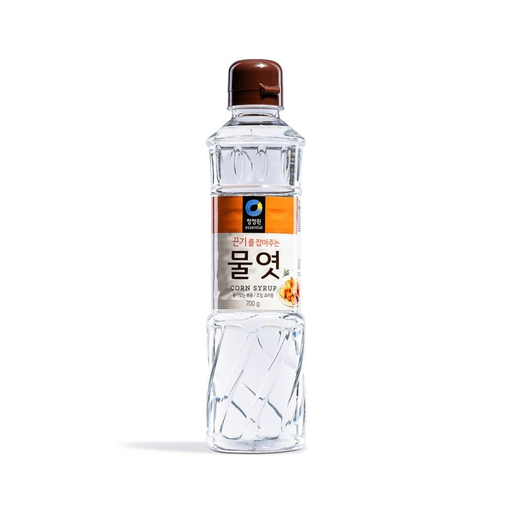
Why it fits the profile: This glucose syrup is designed for Korean dishes, marinades, glazes, tteokbokki and traditional sweets.
The product description specifically mentions its thicker consistency and use in both savoury and sweet preparations. So it’s not just a random squash.
700 g pack, made from corn starch according to the product information; suitable for shine and stickiness.
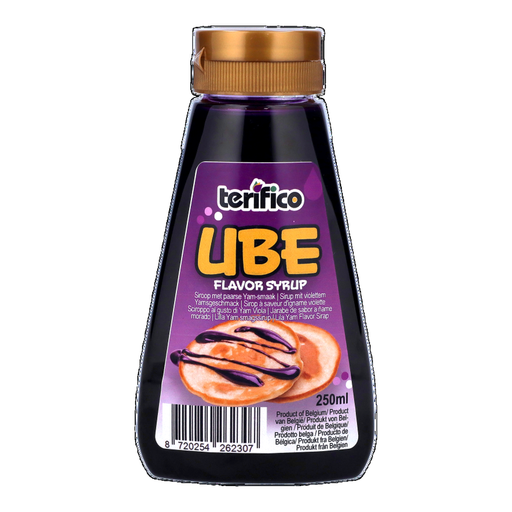
Why it fits the profile: Ube syrup adds a sweet flavour and purple colour to bubble tea, milkshakes, ice cream and desserts.
The intended use is specific: the product is described as a flavouring for drinks and desserts. Check the ingredients and dosage if you want to avoid colourings or allergens.
250 ml volume, ube flavour and suitable for both cold drinks and sweet preparations.
We’ve put together a full, up-to-date list of products that fully meet these strict selection criteria and comply with current European safety regulations.
Choose a squash or fruit syrup that is explicitly intended to be diluted with water or sparkling water. Peach syrup, strawberry syrup, mango syrup and blueberry syrup are logical choices. Check the recommended ratio and the sugar content per 100 ml.
Glucose syrup, such as Korean corn syrup, is mainly used to give structure, shine and stickiness to dishes. Fruit syrup is typically focused on flavour and colour in drinks, desserts or baked goods. So they aren’t simply interchangeable.
Yes, these liquid sweeteners can be used in coffee, tea, breakfast dishes and baked goods. Just bear in mind their own flavour, colour and sugar content. Honey, for example, can give a distinctly floral taste, while dark agave syrup has caramel-like notes according to the product description.
