
Vandaag of morgen in huis

Kwaliteit gegarandeerd

Welkomstaanbiedingen ontgrendelen: GRATIS bezorging | Tot 80% korting | Gratis 30 dagen JoyPlus-proefperiode
Download de app
A bottle of syrup might seem straightforward to choose – until you realise just how many differences there are. One variety is designed for cordial, another for cocktails, bubble tea or desserts. The sugar content, dilution ratio and ingredients can also vary enormously.
The biggest mistakes usually come down to three common pitfalls:
Compare the nutritional information per 100 ml or 100 g. Classic cordial syrup often contains significantly more sugar than a sugar-free version. What’s more, some fruit syrups list the percentage of fruit juice or fruit purée on the label.
The Slimpie Lemon Syrup, for instance, states 0 g of sugar and 1 kcal per 100 g. The recommended mixing ratio is 1 part syrup to 11 parts water. With the JENI Strawberry Syrup, strawberry purée appears in the ingredients list, alongside sugars, sweeteners and other additives. That makes this option more interesting if you’re after a fruit flavour, though it’s not the same as a syrup with a high fruit content.
Also keep an eye out for allergens. A product may, according to the available product information, contain none of the 14 major EU allergens, but always check the label at the time of purchase. Recipes and packaging can change.
Not every syrup works equally well in every preparation:
A cocktail syrup, then, isn’t necessarily suitable as an everyday cordial. The flavour may be too concentrated or too sweet.
Don’t compare millilitres or grams in isolation from how you’ll use them. A 650 ml bottle of Slimpie Lemon Syrup, according to the product information, makes around 39 glasses at the stated mixing ratio. Karvan Cevitam Grenadine Syrup (600 ml) is diluted at 1 part syrup to 9 parts water, yielding up to approximately 6 litres of cordial.
Once opened, syrup should generally be stored in the fridge. Keep the bottle tightly sealed, out of direct sunlight, and follow the storage instructions on the packaging. For family or catering use, a larger bottle is only practical if you’ll use it regularly.
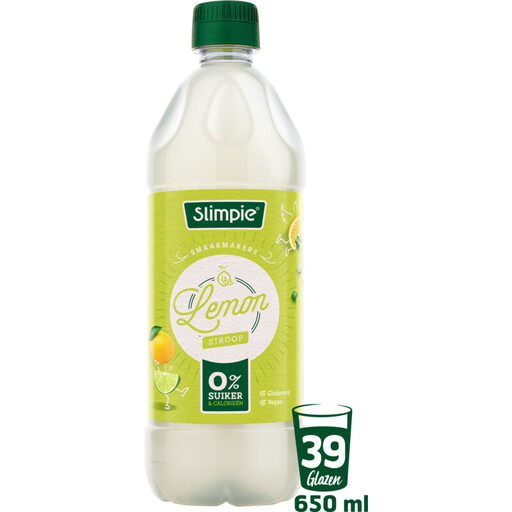
Why this fits the profile: A practical choice if you want to make simple cordial at home while keeping the sugar content low. The bottle is enough for several jugs of drink.
The mixing ratio and nutritional information are clearly stated, so you can estimate the cost and quantity in advance.
0 g sugar and 1 kcal per 100 g according to the product information; suitable for cordial with still or sparkling water.
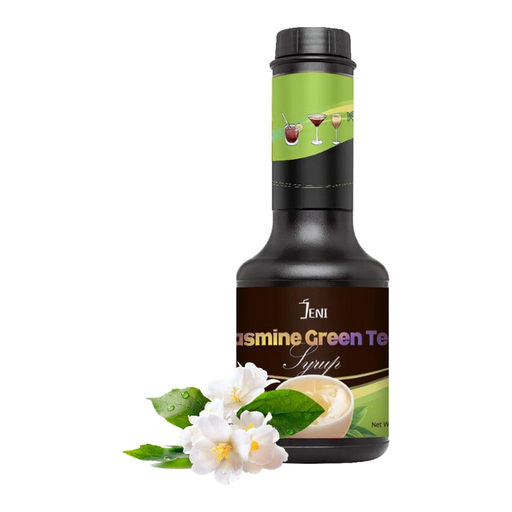
Why this fits the profile: For enthusiasts of a distinctive jasmine and green tea profile who make bubble tea, iced tea, milk tea or desserts at home.
Its use is broader than just cordial. You can dose the syrup into water, tea or milk, so one bottle supports multiple recipes.
600 g content; according to the product information, suitable for bubble tea, cocktails and desserts; none of the 14 major EU allergens listed.
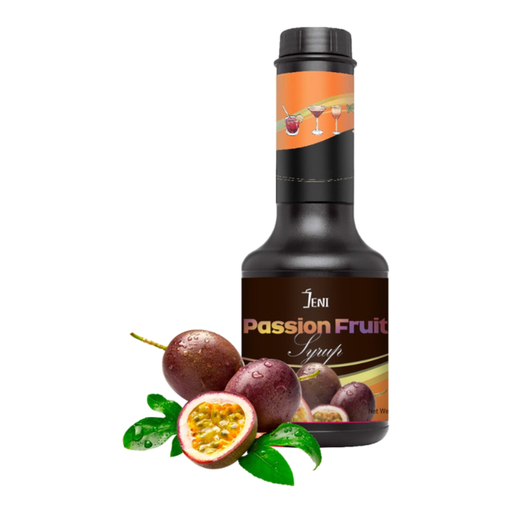
Why this fits the profile: Handy if you regularly make cordial, mocktails, bubble tea or mixed drinks and want a tropical fruit flavour.
The syrup isn’t limited to one method of preparation. Do check the sweetness and ingredients, so you use the right dosage for larger quantities.
456 ml / 600 g content; passion fruit juice appears in the ingredients list; suitable for a variety of cold drinks.
We’ve put together a full, up-to-date list of products that fully meet these strict selection criteria and comply with current European safety regulations.
First, follow the mixing ratio on the label. This is often, for example, 1 part syrup to 9 or 11 parts water. It’s best to add the syrup to a glass or jug first, then top up with cold water. Using sparkling water gives a fresher drink, but add it slowly to avoid excessive fizzing.
This varies by product. Store an opened bottle according to the label – usually tightly sealed in the fridge. Pay attention to the storage information and don’t use the syrup if the packaging is damaged, the smell seems off or the contents have visibly changed.
Not automatically, but many sugar-free varieties are low in calories because sugar has been replaced with sweeteners. Check the nutritional information table. For example, Slimpie Lemon Syrup states 1 kcal per 100 g, whereas other fruit syrups can contain significantly more energy due to sugar or fruit content.
