
Vandaag of morgen in huis

Kwaliteit gegarandeerd

Welkomstaanbiedingen ontgrendelen: GRATIS bezorging | Tot 80% korting | Gratis 30 dagen JoyPlus-proefperiode
Download de app
Buying syrup may seem straightforward, but the range varies considerably. A bottle might be intended for lemonade, coffee, bubble tea, desserts or savoury dishes. If you only consider the flavour or packaging, you could end up paying for a product that isn’t right for how you plan to use it at home.
The main pitfalls are:
With a few simple checks, it’s easier to find a syrup that suits your household, taste preferences and intended use.
Start by comparing the nutritional information per 100 ml or per recommended serving. Regular fruit syrup often contains sugar, fructose or both. For example, JENI Mango Syrup lists 66 grams of carbohydrates and 41 grams of sugar per 100 grams. It’s a good fit if you want to make a sweet lemonade or fruity mocktail, but less suitable if you’re trying to limit your sugar intake.
Sugar-free syrup usually uses sweeteners such as sucralose, acesulfame-K, cyclamate or saccharin. Slimpie Orange Raspberry Syrup lists sucralose and acesulfame-K. The product information states 0% sugar and 0% calories, while the nutrition table also lists 7 kcal. Always check the latest packaging and serving size.
For coffee or tea, a liquid sweetener such as Natreen is practical. It isn’t a traditional fruit syrup, but a portion-controlled product with a measuring cap. It can be useful if you mainly want to add sweetness without a pronounced fruit or caramel flavour.
Not all syrups are interchangeable:
Follow the preparation instructions on the packaging for all products. A small amount of syrup may be enough, especially in coffee and desserts.
Don’t just look at the front of the bottle. Check:
A 600-gram bottle isn’t automatically better value than a 250 ml bottle. You could work out the cost per litre of prepared drink instead. The dilution ratio matters too: a syrup that can be diluted well makes more drinks than one that needs to be used generously.
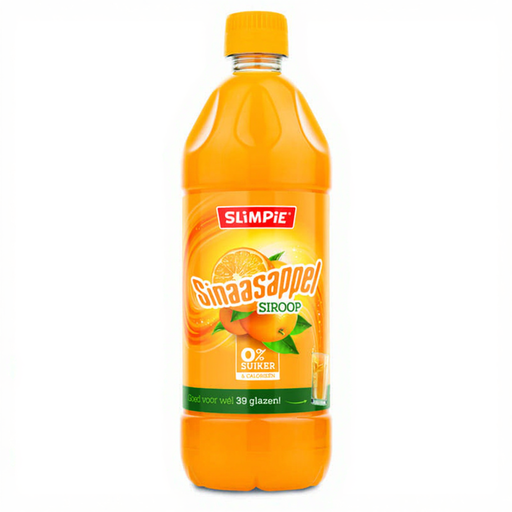
Why it suits this shopper: This orange and raspberry syrup is made to mix with water, making it a good option for households looking for a sugar-free choice for everyday drinks.
The ingredients and sweeteners are clearly listed. However, check the latest nutrition table, as the product information and table don’t give exactly the same figures.
Listed as 0% sugar in the product description, labelled gluten-free and easy to prepare with water.
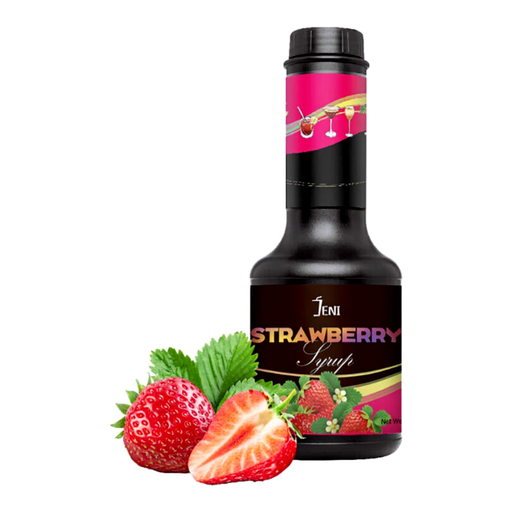
Why it suits this shopper: With strawberry purée, sugar and sweeteners, this syrup is a good choice if you’re after a pronounced fruit flavour for lemonade, cocktails, desserts and baking.
The product description mentions real strawberry purée and provides nutritional information. This makes it easier to weigh up the fruit flavour and sugar content.
Contains 456 ml or 600 grams, includes strawberry purée and can be used in a range of drinks and desserts.
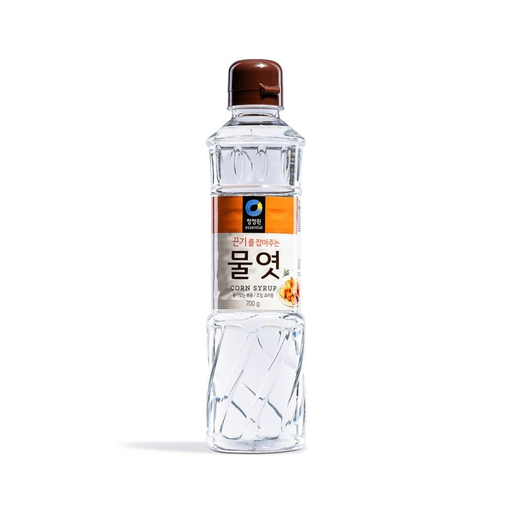
Why it suits this shopper: This Korean glucose syrup is made for cooking and baking, including marinades, bulgogi, tteokbokki, sauces and traditional sweets.
The product description makes clear that this isn’t regular lemonade syrup, but a thick glucose base for savoury and sweet dishes.
Contains 700 grams, is made from corn starch and adds shine, helps bind ingredients and brings sweetness to Korean recipes.
Caramel and hazelnut syrups are natural choices for coffee. According to the product information, Douwe Egberts Caramel Syrup contains 80,4 grams of sugar per 100 grams. The Hazelnut version lists hazelnut as an allergen. This makes it important to check the ingredients if several people in your household will be using the bottle.
If you’re looking for a plant-based sweetener, consider agave syrup, rose syrup, carob syrup or honey. According to the product description, Melvita Agave Syrup Dark is made from agave syrup and contains 71 grams of sugar per 100 grams. Sera Keciboynuzu Pekmezi lists only carob and water. These products have distinctive flavour profiles and are best suited to yoghurt, breakfast, baking or hot drinks.
For bubble tea, tea and fruit flavours work well with milk, tea, water and tapioca pearls. JENI Jasmine Green Tea Syrup, JENI Black Tea Syrup and Terifico Ube Flavor Syrup are examples of flavours that go beyond standard lemonade.
We’ve put together a complete, up-to-date list of products that meet these strict selection criteria and the current European safety requirements.
Choose a fruit syrup or lemonade syrup that the label says to dilute with still or sparkling water. Check the recommended dilution ratio, as this determines how many glasses you’ll get from one bottle. Mango, strawberry, peach, blueberry and tropical fruit are popular options.
Store syrup according to the label. Many fruit syrups need to be refrigerated after opening and used within the stated period. Close the bottle tightly and don’t use a product if its seal was damaged. Always follow the packaging for shelf life and storage.
No. “Sugar-free” doesn’t automatically mean a product contains no energy. Sweeteners often replace some or all of the sugar, but always check the nutrition table per 100 ml and per serving. Consider the flavour and how much you’ll need to use before buying a sugar-free syrup.
