
Vandaag of morgen in huis

Kwaliteit gegarandeerd

Welkomstaanbiedingen ontgrendelen: GRATIS bezorging | Tot 80% korting | Gratis 30 dagen JoyPlus-proefperiode
Download de app
Buying syrup might seem straightforward: pick a flavour, add water and you’re done. Yet shoppers often end up with a bottle that doesn’t suit how they actually use it. A squash for everyday drinking needs different qualities to a coffee syrup, bubble tea syrup or a sweet topping for desserts.
Pay particular attention to three common pitfalls:
First, decide what you need the syrup for. For squash, a clear mixing ratio and a high yield are important. For coffee, desserts or cocktails, it’s the concentrated flavour and ease of dosing that really count.
A 650 ml bottle with a mixing ratio of 1 part syrup to 11 parts water can yield around 39 glasses according to the product information. That makes this type of syrup ideal for households that regularly make squash. Just check whether your glass size matches the stated serving.
For bubble tea and iced tea, thickness, solubility and flavour intensity are practical points to consider. A product like JENI Black Tea Syrup is described as suitable for both hot and cold drinks. With products like these, start with the recommended amount on the label and then adjust to taste.
If you’re watching your sugar or calorie intake, it’s worth looking at the nutritional values per 100 ml of diluted drink as well as per 100 ml of syrup. The values on the packaging don’t always refer to the same preparation method.
A sugar-free syrup often contains sweeteners such as sucralose, acesulfame-K or cyclamate. That’s not the same as a syrup with no sweet taste. Slimpie Lemon Syrup, for example, states 0 grams of sugar and 0 kcal per 100 ml of product, with sweeteners listed in the ingredients. Van De Boom Pear Syrup states 0% added sugars, but according to the nutritional information it does contain naturally occurring sugars.
A fruit syrup can also vary widely in its fruit content. Van De Boom Pear Syrup states 85% fruit juice from concentrate according to the product information. JENI Strawberry Syrup contains strawberry purée, but also sugars and sweeteners. So don’t just compare the front of the bottle – also look at:
For a family or regular use, 750 ml to 2 litres is often practical. Taksi Dragon Fruit Cordial is available in a 1.5 litre pack and Taksi Orange Cordial in 2 litres. These products are described as drinks based on fruit and dairy ingredients, so check the allergen information if milk is relevant to you.
For coffee and desserts, a smaller size is usually more convenient. Douwe Egberts Hazelnut Coffee Syrup is sold in 250 ml. The ingredients list mentions hazelnut as an allergen. That’s important information if several people in the household will be using the bottle.
Once opened, syrup often needs to be stored in the fridge according to the product information. Some products also have a limited period for use after opening. Always close the bottle tightly, store it as the label advises and check the best-before information on the packaging.
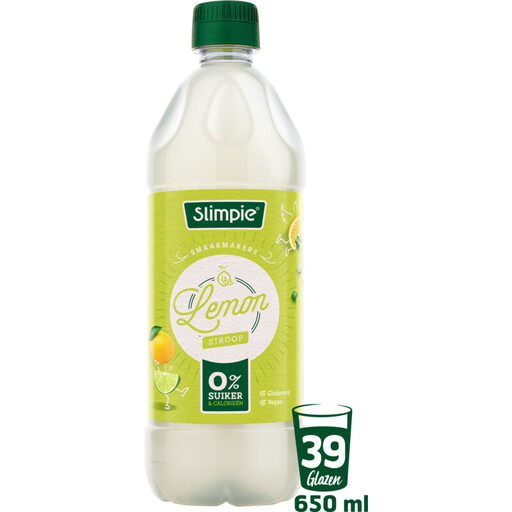
Why this fits the profile: The 650 ml bottle is designed for squash and has a 1:11 ratio according to the product information, yielding around 39 glasses.
The mixing ratio makes the yield easier to estimate. The nutritional information states 0 grams of sugar and 0 kcal per 100 ml of product; sweeteners are used.
Lemon flavour, described as vegan, gluten-free and suitable for still or sparkling water.
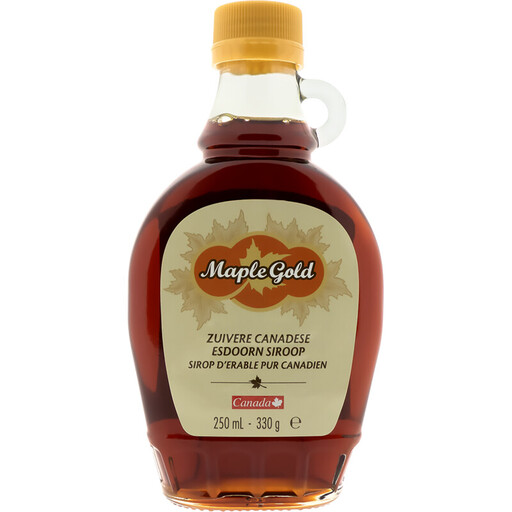
Why this fits the profile: Ideal for anyone looking for a simple ingredient list for pancakes, ice cream, breakfast or desserts.
The ingredients list states 100% natural maple syrup. This makes the composition easy to check.
250 ml pack; according to the product information, Canadian maple syrup with no listed allergens.
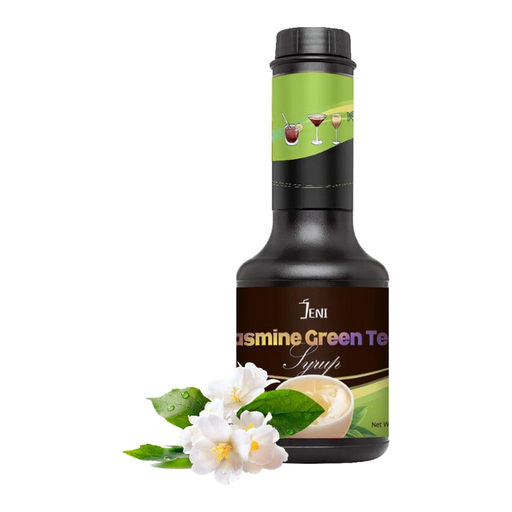
Why this fits the profile: According to the product description, this syrup is aimed at bubble tea, iced tea, milk tea, cocktails and desserts.
The intended use and the 600 gram content are clearly stated. The nutritional information lists 63 grams of sugar per 100 grams, so this is not a sugar-free syrup.
Jasmine and green tea flavour; described as suitable for both hot and cold applications.
We’ve put together a full, up-to-date list of products that fully meet these strict selection criteria and comply with current European safety regulations.
For classic squash, lemon syrup, strawberry syrup, mango syrup or fruit syrup all work well. If you want to try several flavours, pick a small bottle or compare two varieties on yield and sugar content.
For coffee, coffee syrup and flavours like hazelnut are suitable. Check the allergens and dose carefully: a small amount can add a lot of flavour.
For desserts and baking, maple syrup, agave syrup, rose syrup and fruit syrup are all useful. Citadelle Maple Syrup Gold is made from 100% maple syrup according to the product information. Melvita Agave Syrup Dark is made from agave syrup and is described as having a dark flavour with caramel notes. These products do contain naturally high levels of sugars; “natural” doesn’t automatically mean low in calories.
Choose a product with a clear mixing ratio, a flavour that works with still or sparkling water, and a size that matches how much you use. Also check the nutritional values after dilution, especially if you’re making a sugar-conscious choice.
This varies by product. Many syrups need to be stored in the fridge after opening and used within the period stated on the label. Always close the bottle tightly and follow the information on the packaging.
No. Sugar-free squash often contains sweeteners to maintain the sweet taste. So always check the full ingredients list and nutritional information table before you order.
