
Vandaag of morgen in huis

Kwaliteit gegarandeerd

Welkomstaanbiedingen ontgrendelen: GRATIS bezorging | Tot 80% korting | Gratis 30 dagen JoyPlus-proefperiode
Download de app
Buying sweets online gives you access to far more than the familiar bags from the supermarket. You can find liquorice, gummies, boiled sweets, soft sweets, chocolate snacks and international confectionery from countries including those in Asia. The wide choice is useful, but it also makes comparing products more difficult. Eye-catching packaging tells you little about the flavour, ingredients or whether a product is suitable for your needs.
This practical guide will show you what to look out for before ordering sweets for yourself, a party, a gift or to share.
A bag of sweets may look large, but the important figure is the net weight. Compare the price per 100 grams and check the number of portions too. A box of small bags may be more convenient for a party, for example, while one large pack may be better suited to a jar of sweets at home.
Fruit sweets and gummies may contain fruit concentrate, but they are still confectionery and often have a high carbohydrate and sugar content. Check the nutritional information per 100 grams rather than relying solely on words such as “fruity”, “juicy” or “tropical”.
A product may be described as halal or gluten-free, but always check the current ingredients list and allergen information on the product page and packaging. Gelatine may come from beef or pork. Milk, wheat, soya, nuts or sulphites may also be present or listed as possible traces.
Choose the size based on how you plan to use the sweets:
Also check the best-before information on the packaging. Once opened, sweets should generally be kept sealed, cool and dry, away from direct sunlight, heat and moisture. This helps reduce the risk of sticky or dried-out confectionery.
Texture largely determines whether a product is right for you:
Supervision is important when young children are eating sweets. Small sweets can present a choking hazard. Check the age information and do not give sweets to children under three when the packaging carries such a warning.
The ingredients list is arranged in descending order by quantity. Pay particular attention to:
A statement such as halal, gluten-free or free from the 14 major EU allergens should always be considered alongside the full product information. If in doubt, the packaging takes precedence.

Why it suits this profile: A familiar fruity gummy in a 250-gram bag, suitable for keeping at home or sharing with family and friends.
The net weight is clearly stated. The ingredients list includes gelatine and gluten, among other ingredients, so you do not have to guess based on the packaging.
250 grams; cherry flavour; according to the product information, made without artificial colourings.
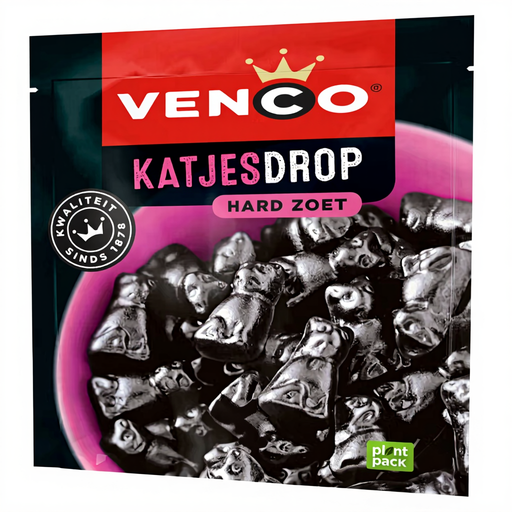
Why it suits this profile: Ideal for lovers of a distinct liquorice and aniseed flavour with a firm, chewy texture.
The product information explicitly states 5.4% liquorice root extract, aniseed, gluten-free status, and the presence of gelatine and sulphites.
235 grams; firm texture; described as gluten-free according to the product description.
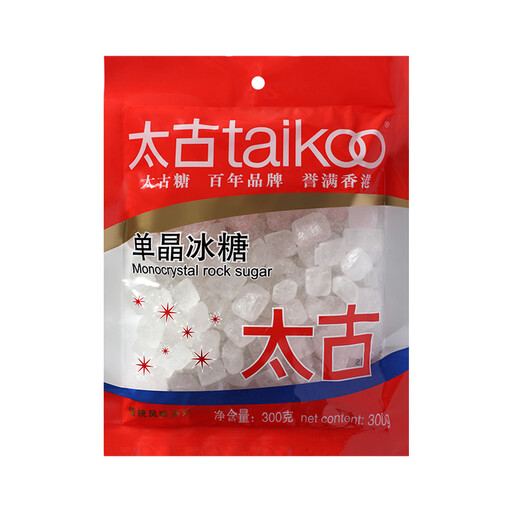
Why it suits this profile: For anyone looking for speciality sugar for tea, desserts, baking or Asian recipes rather than sweets intended solely for eating straight away.
According to the product information, the crystals are small and uniform, making it easier to adjust how much you use in tea, desserts or cooking.
300 grams; one ingredient; suitable for hot drinks, desserts and recipes.
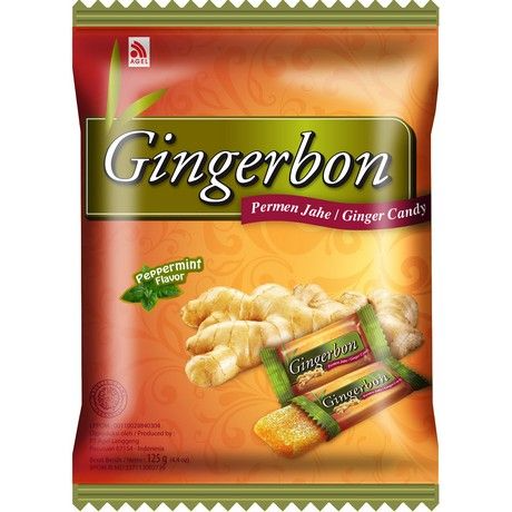
Why it suits this profile: A compact choice for anyone wanting to try Indonesian confectionery with ginger and mint.
The flavour profile and ginger content of 7.4% are stated in the product information. It also indicates that the 14 major EU allergens are not present.
125 grams; combination of ginger and mint; according to the product information, vegetarian, halal and gluten-free.
We have put together a complete, up-to-date list of products that fully meet these strict selection criteria and the applicable European safety regulations.
When comparing products, start by using the filters for flavour and type: liquorice, gummies, toffees, fruit sweets or boiled sweets. Then look at the size and ingredients. For a gift, an international snack such as Lotte Pepero Snowy Almond could be an interesting choice; bear in mind that the allergen information lists milk, soya, wheat, almonds and coconut.
For a party, Look-O-Look Top Mix with ten small portion packs, Red Band Soft Sweet Candies Sharing Bag or Maoam Bloxx are logical options to consider. If you prefer to combine individual, distinctive flavours, you can order different sweets and bonbons alongside one another. Always check the current price, stock availability, delivery time and pack size before checking out.
It depends on the product, pack size and delivery costs. Compare the price per 100 grams and factor in any delivery charges. Multipacks may work out cheaper per unit, but are less suitable if you only want to try a small amount.
Store sweets in a cool, dry place, away from direct sunlight, heat and moisture. Seal opened bags securely. Chocolate snacks are particularly sensitive to heat; gummies and liquorice can change texture if the packaging is left open.
Check the ingredients and allergen information on both the product page and the packaging. Pay particular attention to the origin of gelatine, milk ingredients, gluten-containing cereals and sulphites. A product description may provide general nutritional information, but the current packaging remains the definitive source.
