
Vandaag of morgen in huis

Kwaliteit gegarandeerd

Welkomstaanbiedingen ontgrendelen: GRATIS bezorging | Tot 80% korting | Gratis 30 dagen JoyPlus-proefperiode
Download de app
Buying sweets seems simple, but when you shop online, it’s easy to lose track of what you’re actually ordering among all the packaging and flavour names. A large bag of sweets, for example, might consist mostly of sugar, while a small bag of international gummies could contain several portions. Terms such as “with fruit juice”, “sugar-free” and “natural colourings” don’t tell the whole story either.
Use these practical checks to compare gummies, jelly sweets, fruit gums, liquorice, lollipops and international snacks using information you can verify.
Colourful packaging, familiar characters and words such as “juicy” or “fruit” often shape your first impression. So always check the net weight, the number of pieces and the ingredients list. A 400-gram bag is handy for sharing, but less suitable if you only want to buy a small amount.
With individually wrapped portions, such as chocolate bars or lollipops, you may be paying for convenience and presentation. So compare the price per 100 grams, not just the price of the pack.
Sweets made with concentrated fruit juice can still contain a lot of sugar. According to the product information, for example, Haribo Peaches contains 63 grams of sugar per 100 grams. Cokoc Triple-Layer Juicy Burst Gummies contains 47 grams of sugar per 100 grams. These figures make it easier to compare products than marketing claims do.
When buying sweets, also look out for ingredients such as glucose syrup, sugar, dextrose and glucose-fructose syrup. A recipe may contain these ingredients in different forms.
Sugar-free sweets often contain polyols or high-intensity sweeteners. Mentos Gum Pure Fresh Strawberry, for example, lists 68 grams of polyols per 100 grams. The product information also warns that excessive consumption may have a laxative effect. So always check the full nutrition table and the warnings on the label.
Check the following before you order:
Allergen information can vary from one product to another. So always check the current label when your order arrives, especially if you’re buying sweets for children, a party or someone with an allergy.
Nutritional values per 100 grams are the most useful basis for a fair comparison. Pay particular attention to:
A product that’s low in sugar per 100 grams may still contain several sweeteners. So consider the nutrition table alongside the ingredients list.
Gummies and jelly sweets can vary considerably in texture. Soft fruit gums are generally suitable if you want something to chew, while konjac jelly in a pouch has a drinkable or slurpable texture. Small, hard sweets and lollipops can be a choking hazard for young children. Red Band therefore states that small sweets are not suitable for children under three and that supervision is required.
Store sweets according to the product information: usually in a cool, dry place and out of direct sunlight. Chocolate, candy floss and jelly can deteriorate more quickly when exposed to heat or moisture. For imported products, also check the best-before date and whether the shelf life is short.
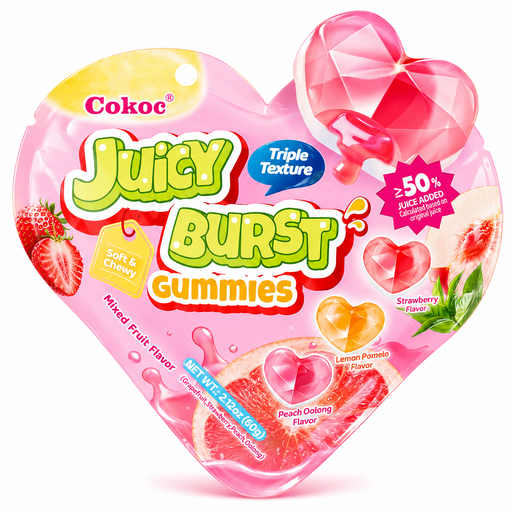
Why it suits this shopper: This compact 60-gram bag is a practical choice if you’d like to try a small amount of gummies first. The product information lists concentrated apple, peach, grapefruit and strawberry juices.
The net weight and nutritional values are clearly stated. The product contains 47 grams of sugar per 100 grams, making it easy to compare with other fruit gums.
60 grams, several fruit flavours and a soft gummy texture. The ingredients list states that it contains beef gelatine.
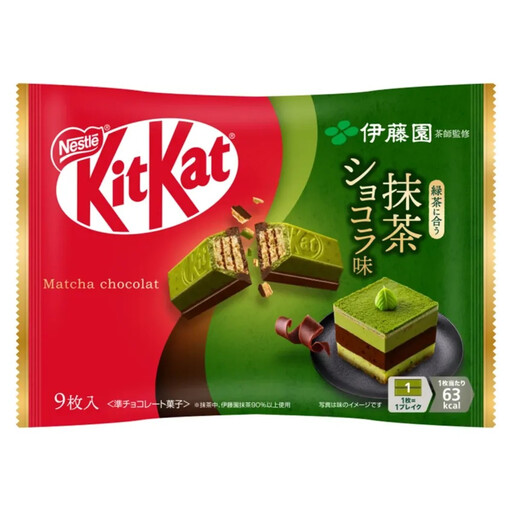
Why it suits this shopper: This Japanese snack contains nine individually wrapped bars with matcha, white chocolate and crispy wafer. It’s a good fit for anyone who enjoys international flavours and attractive presentation.
The portions are individually wrapped, and the allergens are listed: wheat, milk and soya. The product information also warns that it has a short shelf life.
9 bars, made in Japan, and 50 grams of sugar per 100 grams. Handy for sharing or taking with you.
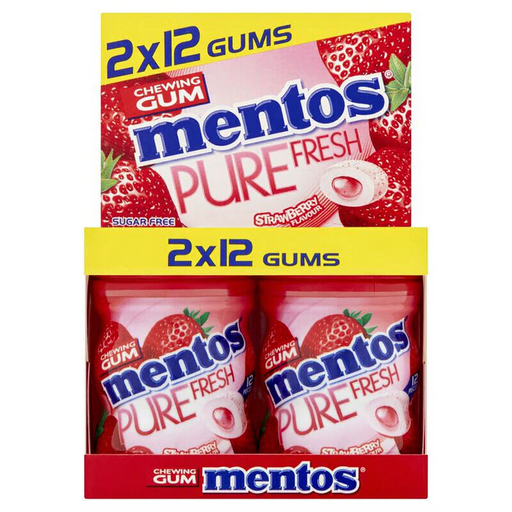
Why it suits this shopper: This compact pack is designed for anyone looking for sugar-free, strawberry-flavoured chewing gum to enjoy on the go or regularly.
The nutritional values list 0 grams of sugar and 68 grams of polyols per 100 grams. The pack also includes a warning about excessive consumption and aspartame.
Sugar-free according to the product information, 48 grams per pack and a clear declaration of soya as an allergen.

Why it suits this shopper: This Korean konjac jelly comes in lychee flavour in a 150 ml pouch. Its texture and packaging are different from regular gummies and fruit gums.
The product information lists the ingredients, including konjac powder, erythritol and sweeteners. It lists 0 grams of sugar per 100 ml.
150 ml per pouch, lychee flavour and 3 kcal per 100 ml according to the nutritional information provided.
We’ve put together a complete, up-to-date list of products that meet these strict selection criteria and the applicable European safety requirements.
Compare the weight per pack, the price per 100 grams and any delivery costs. A large bag of sweets may look like good value, but a smaller pack could be more practical if you want to try different flavours or avoid waste.
It depends on the child’s age, the texture and the size of the sweets. Check the warnings on the packaging. Small sweets, gummies and lollipops can be a choking hazard for young children. Don’t give children under three any products carrying this type of warning, and supervise them while they eat.
Gummies and fruit gums are usually firm, soft sweets made with gelatine or a plant-based gelling agent. Jelly sweets can be softer or more elastic. Konjac jelly is often sold in a pouch and has a smooth, drinkable or slurpable texture. For each product, check the preparation and usage instructions, ingredients and nutritional values.
