
Vandaag of morgen in huis

Kwaliteit gegarandeerd

Welkomstaanbiedingen ontgrendelen: GRATIS bezorging | Tot 80% korting | Gratis 30 dagen JoyPlus-proefperiode
Download de app
Buying sweets and chocolate online gives you access to far more than just milk chocolate, sour sweets and familiar gummies. You can also find Asian sweets, Japanese sweets, Chinese sweets, matcha chocolate and unusual snacks to share. That wide choice makes comparing products appealing, but it also increases the chance of a disappointing purchase.
A product photo can make the packaging look bigger than it really is. A flavour name doesn’t always tell you about the ingredients. And with imported sweets, allergens, gelatine or best-before information can be listed differently from what you’re used to. With the checklist below, you can make a choice based on verifiable product information.
Don’t just look at the size of the box or bag – also check the net weight, the number of portions and whether items are individually wrapped. A box with several small units can be handy for treats, but a large format is less suitable if you want to try a new flavour first.
Where possible, compare the price per 100 grams. That way, you can see the difference more clearly between, say, a bag of gummies, a box of chocolates and a multipack of milk chocolate.
Words like “matcha”, “milk”, “caramel” or “fruit” often describe a flavour direction, but not the proportion of ingredients. So always check the ingredients list. For example, matcha chocolate may be made with white chocolate as the base. Caramel sweets can contain milk, butter and soya.
An unusual texture also deserves attention. “Soft”, “filled” or “crispy” tells you something about the eating experience, but not automatically about the composition or whether it’s suitable for every occasion.
Always check the product listing before ordering, and the packaging when it arrives. Common allergens in this range include milk, soya, wheat, nuts, peanuts and barley. Some gummies contain beef gelatine. Other products contain milk derivatives or may contain traces of nuts.
With sweets from abroad, it’s also wise to look at the allergen information, country of origin, storage conditions and the date on the packaging. If you’re unsure about an ingredient, it’s better not to use the product.
Choose a small size when you want to try an unfamiliar flavour. Individual wrapping is practical for on the go and helps with sharing at a party. For a family or movie night, sharing packs, multipacks and larger boxes are more convenient.
Examples from the range include:
Check at least these three things:
A sweetener, sugar or calorie claim doesn’t automatically change whether a product is right for you. Only use information that appears on the packaging or in the product description. According to a brand’s own research, certain properties may be mentioned, but such brand claims are not a general guarantee for every consumer.
Most sweets and chocolate products should be stored in a cool, dry place away from direct sunlight. Heat can melt chocolate and alter the texture of toffee or gummies. Seal an opened pack properly to prevent drying out or loss of crunchiness.
With chocolate, pay attention to the storage temperature. For frozen products, such as Cocon Snow Fall Mixed Fruit with Milk Ice Lolly, different conditions apply: store the product according to the temperature on the packaging and do not refreeze once thawed.
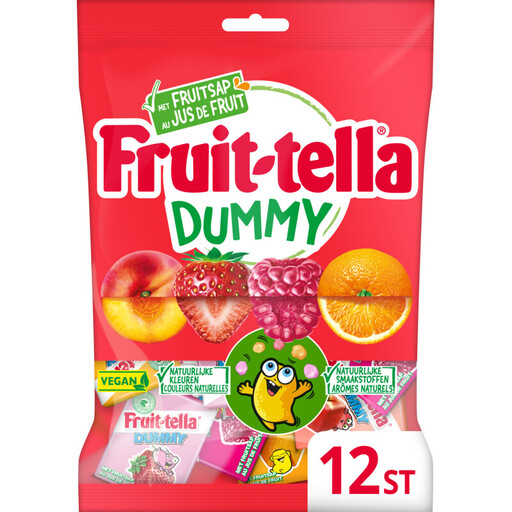
Why this fits the profile: The box contains several individually wrapped fruit gummies, so you can take a manageable amount with you or hand them out without opening a large bag straight away.
The net weight of 132 g and the product format are clearly stated. Do check the current ingredients list and allergens on the packaging.
Fruitella mentions natural colourings and flavourings in the description; according to the product information, it is vegan and contains fruit juice.
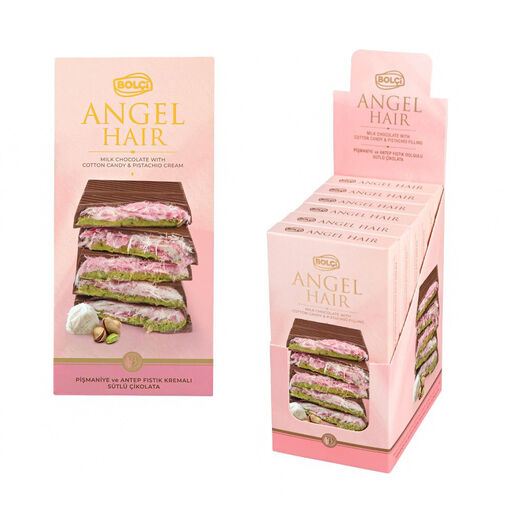
Why this fits the profile: The multipack combines milk chocolate with cotton candy and pistachio for anyone looking for a striking gift or sharing experience.
The product description states the contents and number of packs. Check the allergens before purchase, including milk and pistachio/nuts.
Six bars of 170 g each; ideal for sharing. The combination of milk chocolate, cotton candy and pistachio is clearly described.
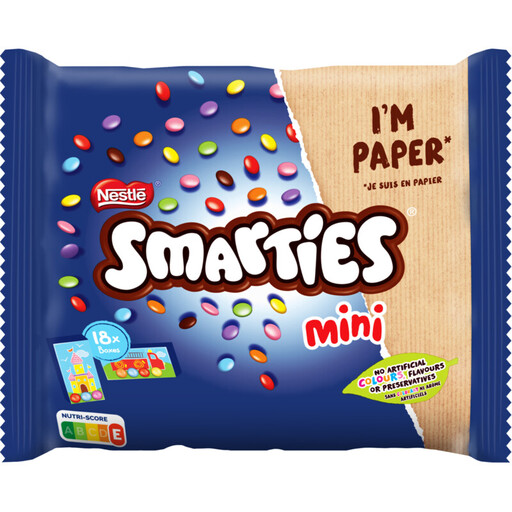
Why this fits the profile: The 18 mini packs are practical for children’s parties, office treats, family visits or sweets to share.
The number of individual portions and the total weight are listed. The allergen information mentions milk, wheat and barley among others.
18 separate mini packs in a 259 g bag; handy for portioning and storing after opening.
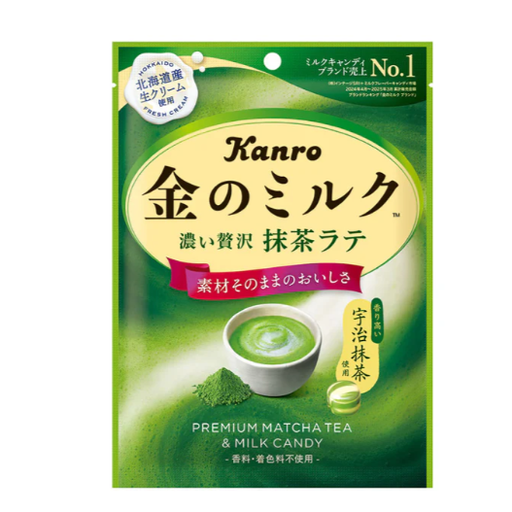
Why this fits the profile: This Japanese milk toffee with matcha suits shoppers looking for a small pack and a less everyday flavour for home or on the go.
The 61 g size and individually wrapped sweets are clearly stated. The product contains milk; check the packaging if you have allergies.
Product from Japan, 61 g, with individually wrapped sweets and ingredients such as fresh cream, concentrated milk and matcha.
We’ve put together a full, up-to-date list of products that fully meet these strict selection criteria and comply with current European safety regulations.
Check the product information, allergens, storage conditions, responsible party and best-before date. With products from China, Japan or other countries, the composition may differ from UK varieties. Use the information on the current packaging as your guide.
Store chocolate and caramel sweets in a cool, dry place, away from direct sunlight and heat sources. Seal opened bags and boxes properly. Hard sweets can be a choking hazard for young children; please observe the warnings on the packaging.
Choose a multipack or sharing pack with individual units. Nestlé Mini Smarties, Smarties Milk Chocolate Tubes, Fruitella Dummies and Ricar Cherry Bonbons are suitable for handing out based on their packaging. Always check the allergens in advance when several people will be eating them.
