
Vandaag of morgen in huis

Kwaliteit gegarandeerd

Welkomstaanbiedingen ontgrendelen: GRATIS bezorging | Tot 80% korting | Gratis 30 dagen JoyPlus-proefperiode
Download de app
Buying sweets online seems simple: choose a flavour, add a bag to your basket and you’re done. But the packaging may give a different impression from the product information. A colourful bag, for example, may contain very little, while a large theatre box may consist mostly of sugar and syrup. Terms such as “with fruit juice” don’t automatically mean a product is low in sugar either.
Use these practical checks to compare fruit gummies, fruit sweets, sour sweets, lollies and soft sweets. That way, you can find a treat for a film night, party or sharing, without judging it by the front of the pack alone.
A 200 or 570 g bag may look appealing for a party, but also check the number of portions and how long the sweets keep after opening. Individually wrapped sweets are handy for sharing, while soft chews and gummies can dry out or stick together more quickly once opened.
So compare the price per 100 g, not just the total price. A smaller pack may be more convenient for taking out and about or trying different flavours.
Fruit gummies and fruit sweets may contain concentrated fruit or apple juice, but they can also contain sugar and glucose syrup. Always check the nutritional information per 100 g. The product information for Skittles Fruity, for example, lists 73.7 g of sugar per 100 g. For Ribon Super Sour Lemon Sugar, the figure is 75 g per 100 g.
That doesn’t make these products unsuitable as a treat, but they may be less suitable if you’re looking to serve a smaller amount.
International sweets may contain ingredients that don’t suit everyone’s preferences. When buying Japanese, Korean or American sweets, look out for:
Always check the packaging and current product page. Check the information again when you order, especially if you have allergies or dietary requirements.
First, decide what you need the sweets for. Small 40 to 75 g bags are easy to portion out for a treat. Larger packs, such as 152, 200 or 570 g, are more practical for a birthday or film night. Individual wrappers make sharing easier, while a resealable pack is better for a relaxed snack at home.
Also look for the instruction “consume immediately after opening”. This is especially relevant for soft sweets or products that can absorb moisture.
Fruit sweets don’t all have the same texture:
If you’re after a bold flavour, try Ribon Super Sour Lemon Sugar. Products with grape, peach, apple or berry flavours may be a better fit if you prefer something milder.
Use the nutrition table to estimate portions realistically. The figures are usually given per 100 g, while a bag may weigh less. Also check:
A claim such as “with vitamins” doesn’t automatically change what the product is: it’s still a sweet. It’s sensible to supervise young children because of the shape, hardness or size of the sweet.
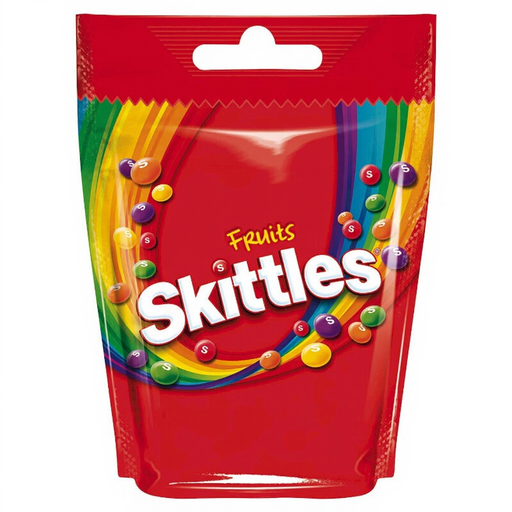
Why it suits this profile: The 152 g bag combines several fruit flavours and colours, so you can try different flavours or share the sweets without buying a large supply.
The net weight and nutritional information are clearly stated. Compare the 152 g pack and 73.7 g of sugar per 100 g with other sweet mixes before you order.
Several fruit flavours in one pack; ideal for sharing.
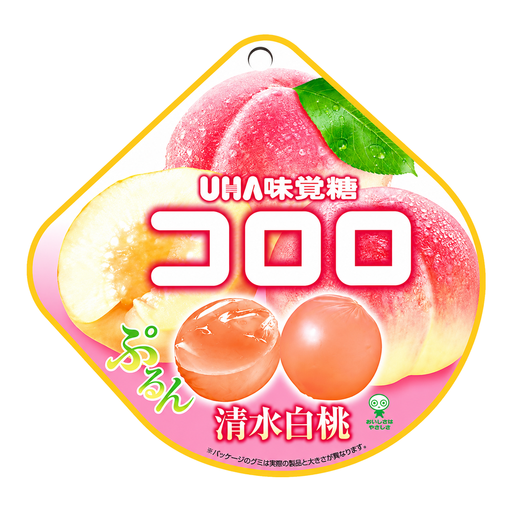
Why it suits this profile: These Japanese sweets come in a compact pack, making them a good choice if you’re looking for a peach gummy with an unusual texture and a smaller pack size.
At 40 g, it’s a good option if you want to try a new flavour without buying a large bag. Check the listed ingredients for apple, peach, beef and gelatine.
Made in Japan; compact pack; peach flavour with 62.1 g of sugar per 100 g, according to the product information.

Why it suits this profile: This small pack is made for fans of extra-sour lemon sweets and makes a great flavour-packed addition to a mixed order.
The sour flavour is clearly highlighted. The product information warns that eating too many may irritate your mouth because of the acidity.
Individually wrapped sour sweets; handy for taking out and about or sharing out in measured portions.
We’ve put together a full, up-to-date list of products that meet these strict selection criteria and current European safety regulations.
Check the minimum age, shape and size of the sweet. Also read the ingredients list and any warnings about colours. For young children, choose a product with clear usage and age information on the packaging, and supervise them while they eat.
The best-before information is on the packaging. As a general rule, store sweets in a cool, dry place away from direct sunlight. Seal an opened bag securely and follow any instructions, such as “consume immediately after opening”. It’s best not to use a product if its packaging is damaged.
Larger packs, sweet mixes and individually wrapped lollies or toffees are practical for a group. Don’t just check the weight: also consider the packaging, the number of different flavours and the allergen information. This makes it easier to cater for different preferences within the group.
