
Vandaag of morgen in huis

Kwaliteit gegarandeerd

Welkomstaanbiedingen ontgrendelen: GRATIS bezorging | Tot 80% korting | Gratis 30 dagen JoyPlus-proefperiode
Download de app
Buying sweets online opens up a world of flavours you won't easily find in your local supermarket. From unique international sweets to that one specific toffee you can't get anywhere else. But the online selection can also be overwhelming, and not every purchase is a guaranteed success. Before you fill your digital shopping cart, it's wise to know what to look for. This helps you avoid disappointment and ensures you're paying for what you actually get.
Two common pitfalls when ordering sweets online are:
To ensure you get what you expect, there are a few objective specifications you can always check. This helps you see past the marketing jargon and make an informed choice.
Don't be misled by the packaging dimensions in a photo. The most important specification is the net weight, usually indicated in grams (g). This number tells you exactly how much product you're buying. A large bag with 65 grams of sweets might contain less than a small, compact package of 150 grams. Always compare the weight and price to determine the true value.
The ingredients list is crucial, especially when ordering international sweets. Reputable online shops provide a clear list, often translated into English, including allergen information. Pay attention to the following points:
Japanese sweets should ideally be produced in Japan, or by a brand with a clear Japanese heritage. The product information should clarify this.The selection is vast. Know what type of sweet you're looking for to refine your search. Are you looking for soft, creamy toffees, a varied sweet mix for sharing, or adventurous Asian snacks with unique textures like mochi or konjac jelly? By filtering by type, you can more easily compare products that meet your specific preferences.
To help you get started, we've highlighted a few popular choices tailored to different preferences. This selection is based on clear product specifications.
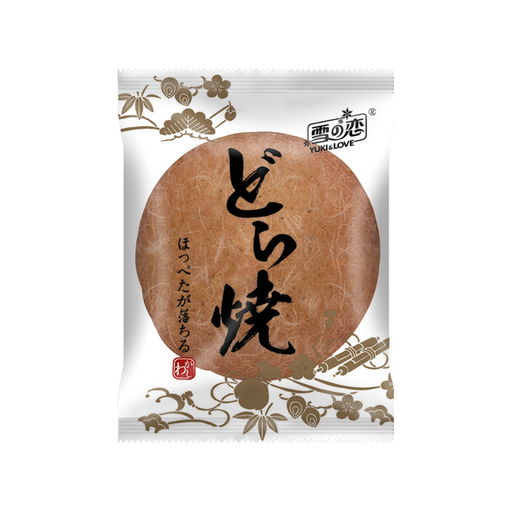
Why This Fits Their Persona: Ideal for those curious about authentic Japanese snacks. Dorayaki is a traditional Japanese delicacy, consisting of two pancakes with a sweet red bean paste filling. A perfect choice to enjoy with tea or coffee.
This isn't a vague "Asian snack," but a specific product (Dorayaki) with a clear list of ingredients and origin (Taiwan). You know exactly what you're buying.
Offers a soft, layered flavour experience that's different from European sweets. The red bean paste filling is sweet but not overpowering.
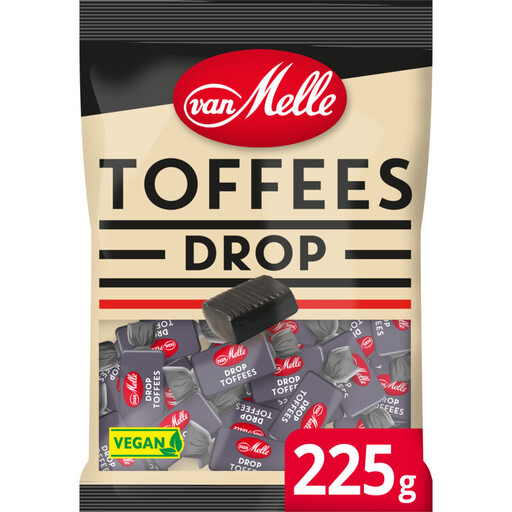
Why This Fits Their Persona: Perfect for those who appreciate a classic flavour with a modern twist. These licorice toffees combine the beloved taste of licorice with the soft, creamy texture of toffee. A familiar yet distinctive choice.
No vague promises. The product is from a well-known brand (Van Melle), and the name "Licorice Toffee" describes exactly what it is. The 225-gram bag provides a clear quantity.
The toffees are individually wrapped, making them convenient for on-the-go or for sharing. The combination of licorice and toffee is a popular flavour profile.
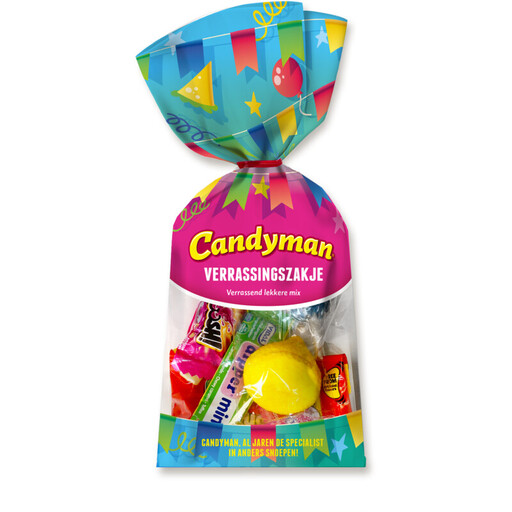
Why This Fits Their Persona: Perfect for parents looking for an easy and fun treat for children. This sweet mix contains a varied selection of small candies, making it ideal for sharing at school or at a party.
The product name "Surprise Bag" and the clear net weight of 52 grams manage expectations. You know you're buying a small bag with a varied mix, not a large quantity of a single type of sweet.
Offers variety in a single bag, ensuring there's something for everyone. The small portion size is suitable as a treat without being excessive.
We have compiled a complete and up-to-date overview of products that meet these selection criteria and comply with current regulations.
Always buy from a reputable online store that provides clear product information. Check if an ingredients list and allergen information are available in a language you understand. For products originating from outside the EU, it is mandatory for the contact details of an EU-based importer to be on the packaging. This indicates that the product complies with local food safety standards.
Although both are popular Japanese sweets, they differ in texture and composition. Mochi is a small cake made from glutinous rice, which gives it a characteristic soft and chewy texture. It is often filled with ingredients like bean paste or ice cream. Dorayaki is a type of sandwich made of two soft, pancake-like cakes with a filling in between, traditionally sweet red bean paste (anko).
Most types of sweets are best stored in a cool, dry place, away from direct sunlight and heat sources. Chocolate can melt, and gummies can harden if not stored properly. After opening the package, it is advisable to store the sweets in an airtight container or bag to maintain freshness and prevent them from drying out. Always consult the storage instructions on the packaging.
